Q&A: Courtney Brooks on the BeltLine’s “Journey of a Black Girl,” coming in June
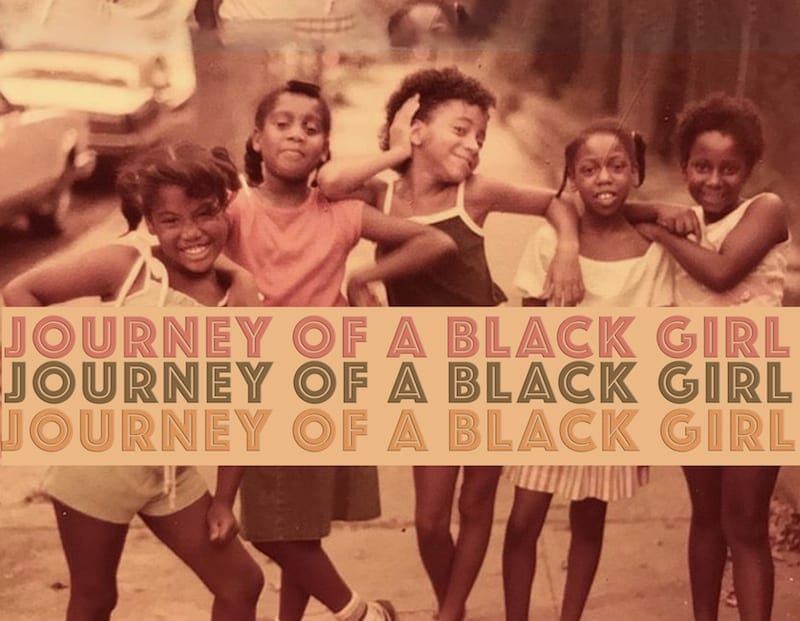
Journey of a Black Girl, a large-scale public art exhibition presented by Art on the BeltLine, is the newest addition to the Southside Trail. Sort of. The multimedia summer celebration of the Black woman’s experience was supposed to include two large murals, community-made art installations and performance art, and open in mid-March. Then COVID-19 happened. The mid-March exhibition was scaled back, inspiring curator Courtney Brooks to go virtual.
The exhibit will be showcased virtually the week of June 13 (on Instagram and Facebook). Some elements are accessible on the BeltLine. One mural is up, the collaborative hair-braiding work is installed on the Berne Street Bridge and the Homegirls Clubhouse is painted.

Brooks, the BeltLine’s inaugural resident curator, drove the ambitious, expansive project. This was to be her biggest show since moving to Atlanta 16 years ago. She talked with ArtsATL about the project’s significance to Atlanta and herself.
ArtsATL: You’re an artist, arts educator and curator, yes? Anything else?
Brooks: And community builder and artist advocate.
ArtsATL: Why are public-art projects important?
Brooks: Public art gives people a chance to see art in an organic way. If they aren’t used to going to galleries or art shows, they can be inspired or stimulated by something when they’re just driving or walking down the street. It’s a feel-good feeling. You want to be able to see things that can inspire you to be creative on your own.
ArtsATL: What did you/do you intend with “Journey of a Black Girl?”
Brooks: After doing the site visits I thought, ‘What can I do? What has my journey been in Atlanta? How has art brought me to where I’m at?’ I wanted to focus on my journey, but it can’t just be about me because my dream isn’t big enough if it doesn’t involve other people. I knew I wanted to incorporate self-identity, confidence and adolescence, a girl transitioning into womanhood, dealing with identity but also self-love and sisterhood. Becoming a woman and dealing with trauma, overcoming that trauma and healing. I wanted Journey of a Black Girl on the BeltLine to tell that story from the beginning: celebration, some healing, then celebrating again because you are getting over these humps. Life is a roller coaster, right? That’s where Journey of a Black Girl comes from.
ArtsATL: Can you talk about some of the workshops you’ve done in preparation for the exhibit?

Brooks: The first three were called Hair Day. They were a community hair-braiding project that helped create 15-foot-long braids that hang from a bridge and are called This Crown Belongs to Us. There are only four states that have passed the Crown Act, legal protection for Black people to be who we are and naturally grow our hair so we don’t have to assimilate. Hair discrimination] has been a real thing all of my life and my parents’ lives, so I wanted to focus on our hair and create a safe space for women to talk about it. I chose the length because I didn’t want people to touch it, because we don’t want people touching our hair.
ArtsATL: Can you talk about your curatorial practice?
Brooks: This is my first time. I have to go hard or go home. For me, curating has always come from an emotional place. I’m always about building connections with artists, doing studio visits and learning the artist’s work. I’m a self-taught curator who’s coming from not being accepted in shows, learning how to show my own work and then bringing other artists in to create platforms. If I have space to show another artist’s work, I want to do that. I share works that create dialogue and stories others can relate to.
I wanted to challenge myself to do stuff I haven’t done before. I wanted to incorporate fashion, to incorporate music, to bring college girls out who have a passion with their music and give them a platform. There’s the Homegirls Clubhouse, a safe space in a little abandoned electrical house on the trail. Visual artist Ingrid Yuzly Mathurin created the mural on the exterior. We cleaned out and repainted the interior.

ArtsATL: What do you hope the takeaway is from “Journey of a Black Girl?”
Brooks: I hope Atlanta will look inside our community of artists. Representation matters. We have a lot of talented artists here that can help create spaces that encourage creativity and reflect stories that can change someone’s life for the better. I hope it will inspire more public art funding and affordable living spaces for artists. We’re doing all this necessary and cool work in neighborhoods that we can’t afford to live in. Most importantly, I want the exhibition to provide little Black girls and women encouragement, to feel empowered and connected in their own personal journeys.
ArtsATL: What does this residency mean for you as an Atlanta transplant? (She’s from Denver.)
Brooks: Living in Atlanta for the past 16 years and seeing how it has changed, but how the art scene has stayed so connected, that makes me proud to be here. I have to keep telling myself, “I’m the first curator of the Atlanta BeltLine” because I never would have imagined. This time last year I was getting ready for my Catch Me in the A show at Sinclair Gallery, and I had just painted my first large mural with the Village Market. Last year had a lot of firsts for me, and this is my first time doing a proposal for a residency. For it to all come together, I knew I was meant to be here. Atlanta is treating me very well. I will forever love Atlanta, it’s home.
In the midst of a pandemic, Journey of a Black Girl means more than it did before. It represents determination and resistance, not giving up on dreams. You can conquer obstacles and push yourself through distractions and devastation, and survive.
STAY UP TO DATE ON ALL THINGS ArtsATL
Subscribe to our free weekly e-newsletter.

PLEASE SUPPORT ARTSATL
Your Gift Sustains the Coverage You Count On!
Related Posts