‘Photography as a Way of Life’ traces the quiet evolution of the medium to fine art but stops one era short
Photography as a Way of Life: Minor White, Aaron Siskind, and Harry Callahan, on view at the High Museum of Art through February 7, examines the intersecting careers of three mid-century photographers who sought to elevate their medium beyond mere documentation to the realm of high art.
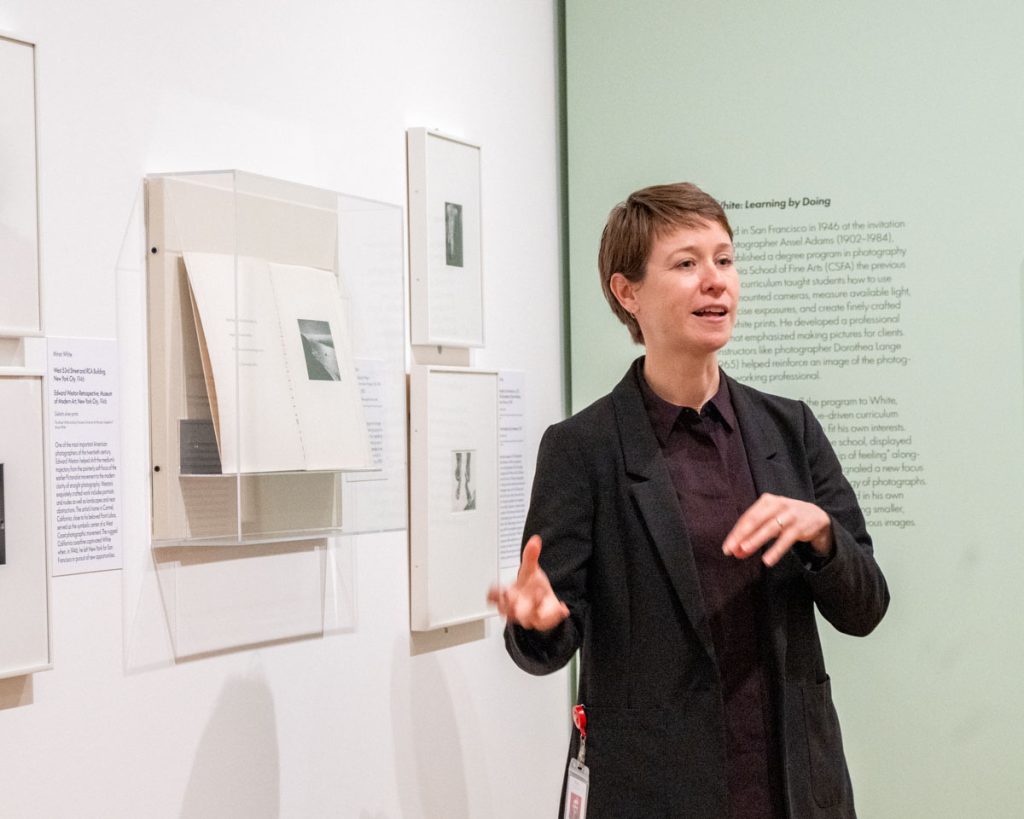
Organized by the Princeton University Art Museum and presented in Atlanta by High curator Maria L. Kelly, the exhibition is anchored by a clear historical thesis: that this trio legitimized photography as a fine art, largely by defining it as a program of pedagogical study within university settings. It is an exhibition that is academically rigorous and historically valuable — though it is ultimately tailored to an audience fluent in the technical minutiae of mid-century photographic processes.
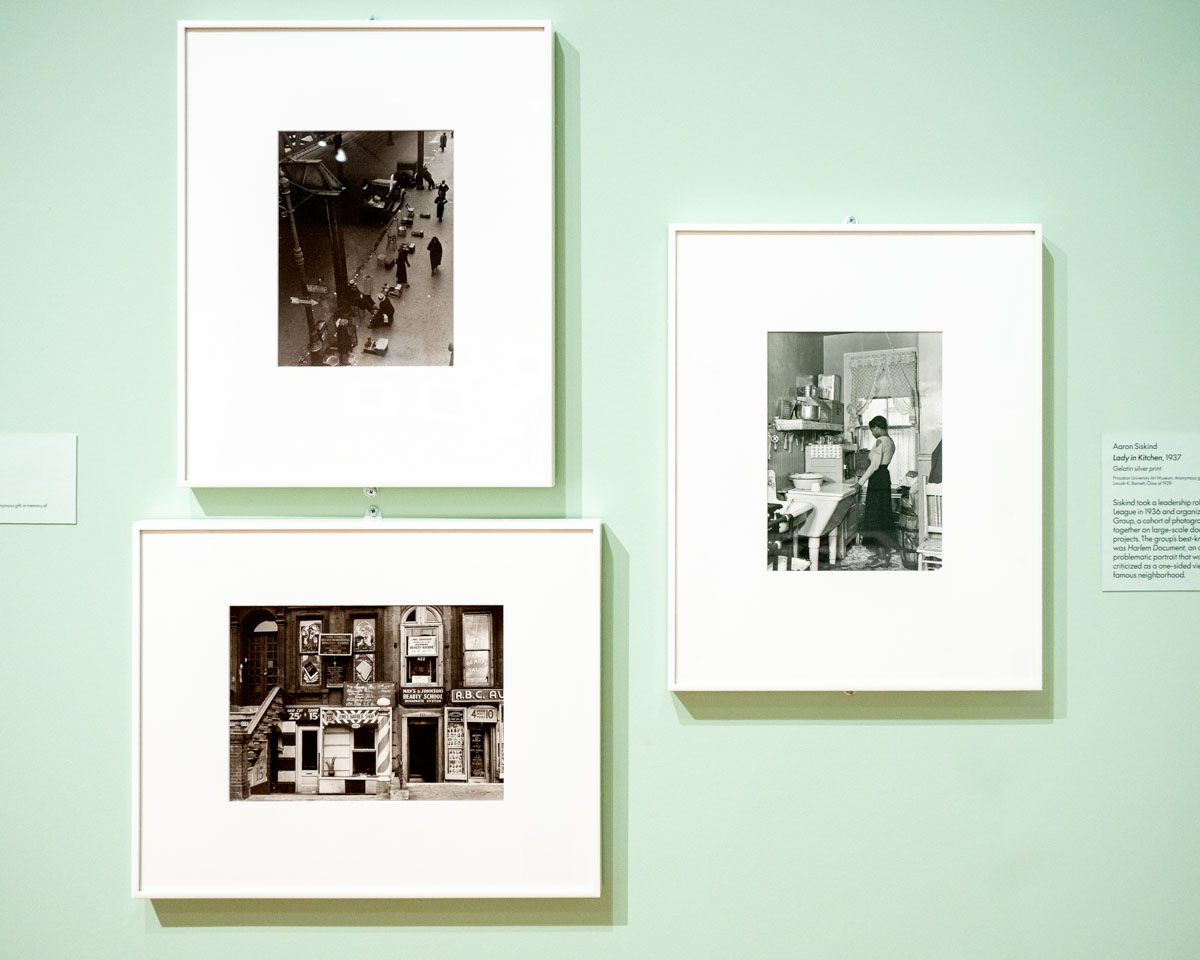
The exhibition primarily traces the evolution of their photography from the 1940s through the 1970s, a period when the practice was transitioning from everyday snapshots and photojournalism to the realm of art. Interestingly, White, Siskind and Callahan each began their practices rooted in documentary or street photography before moving decisively toward abstraction. This shift was strategic as much as it was artistic; by stripping the photograph of its representational function, they forced the viewer to engage with form, light and composition, effectively demanding that photography be evaluated on the same terms as painting.
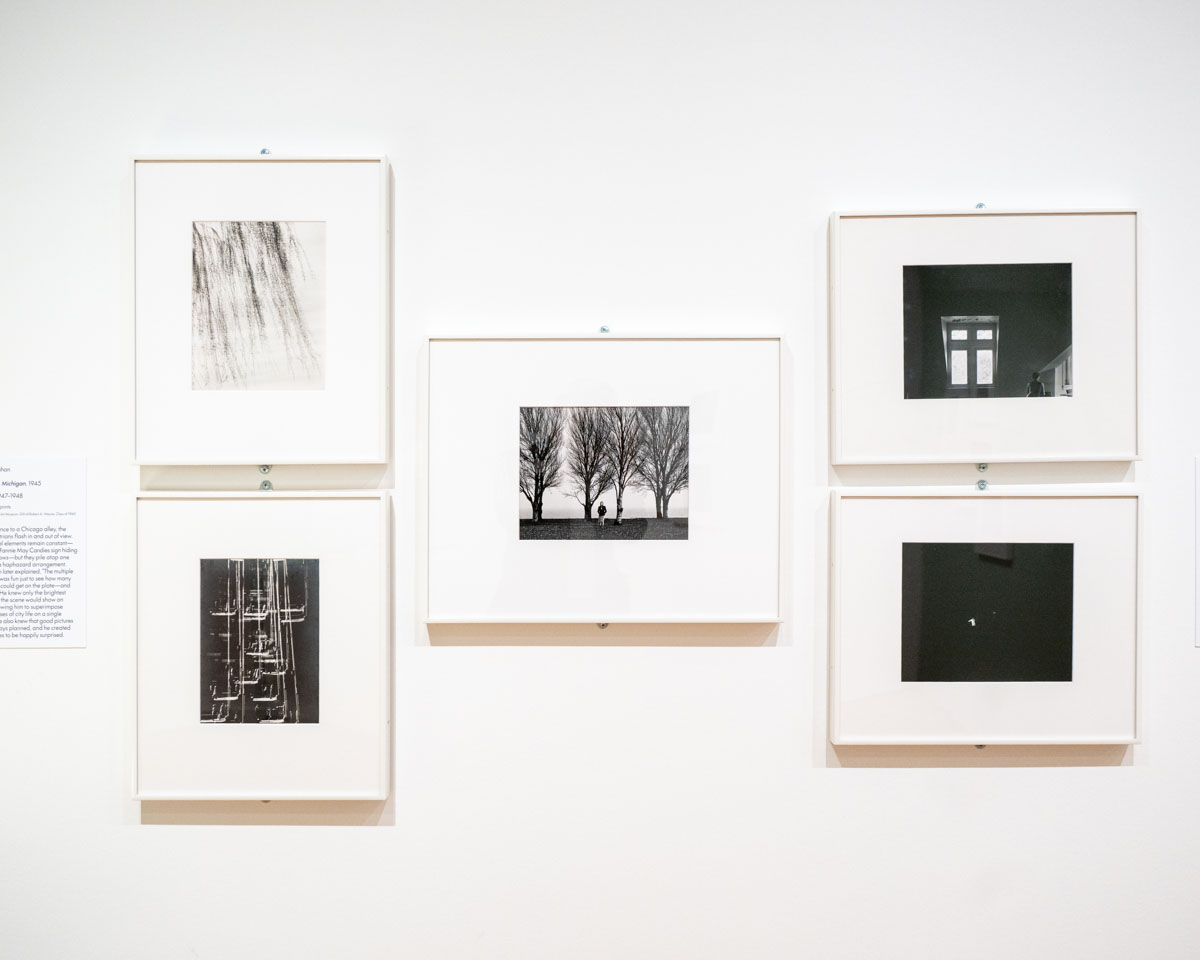
Because the core of the exhibition is bound by time, the techniques and formats on display are inherently limited to what was available. Consequently, the gallery lacks any real object of scale. Furthermore, the artists arrived at their abstraction by experimenting with extremely high-contrast images. The result is that the show is predominated by smaller works in monochromatic palettes — so much so that some pieces, absent their historical context, read as little more than tiny black squares. The overall visual experience of the exhibition is, therefore, a bit quiet. There is no real spectacle here; rather, the work requires an appreciation of the technical constraints of the era and the pioneering achievements of the three core photographers on display.
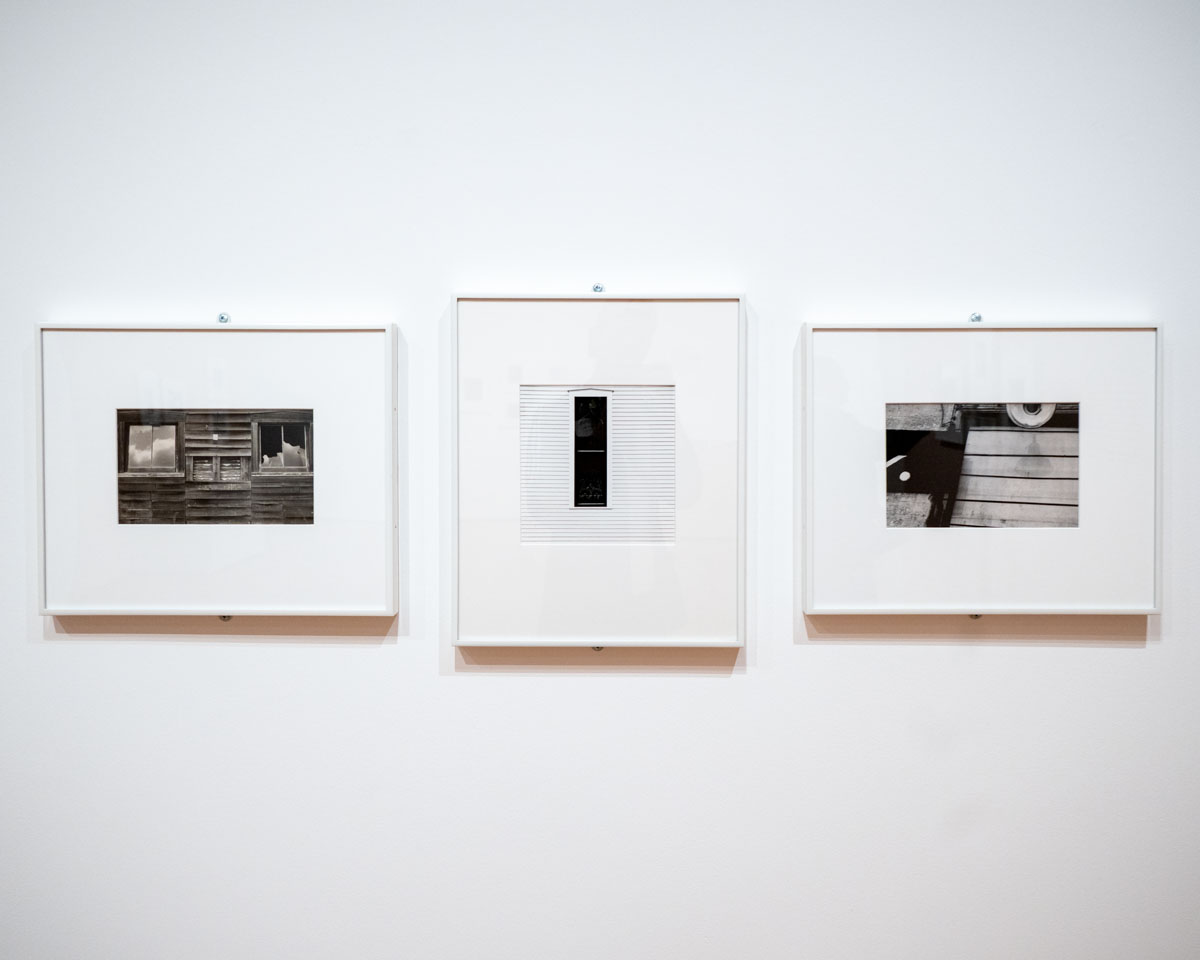
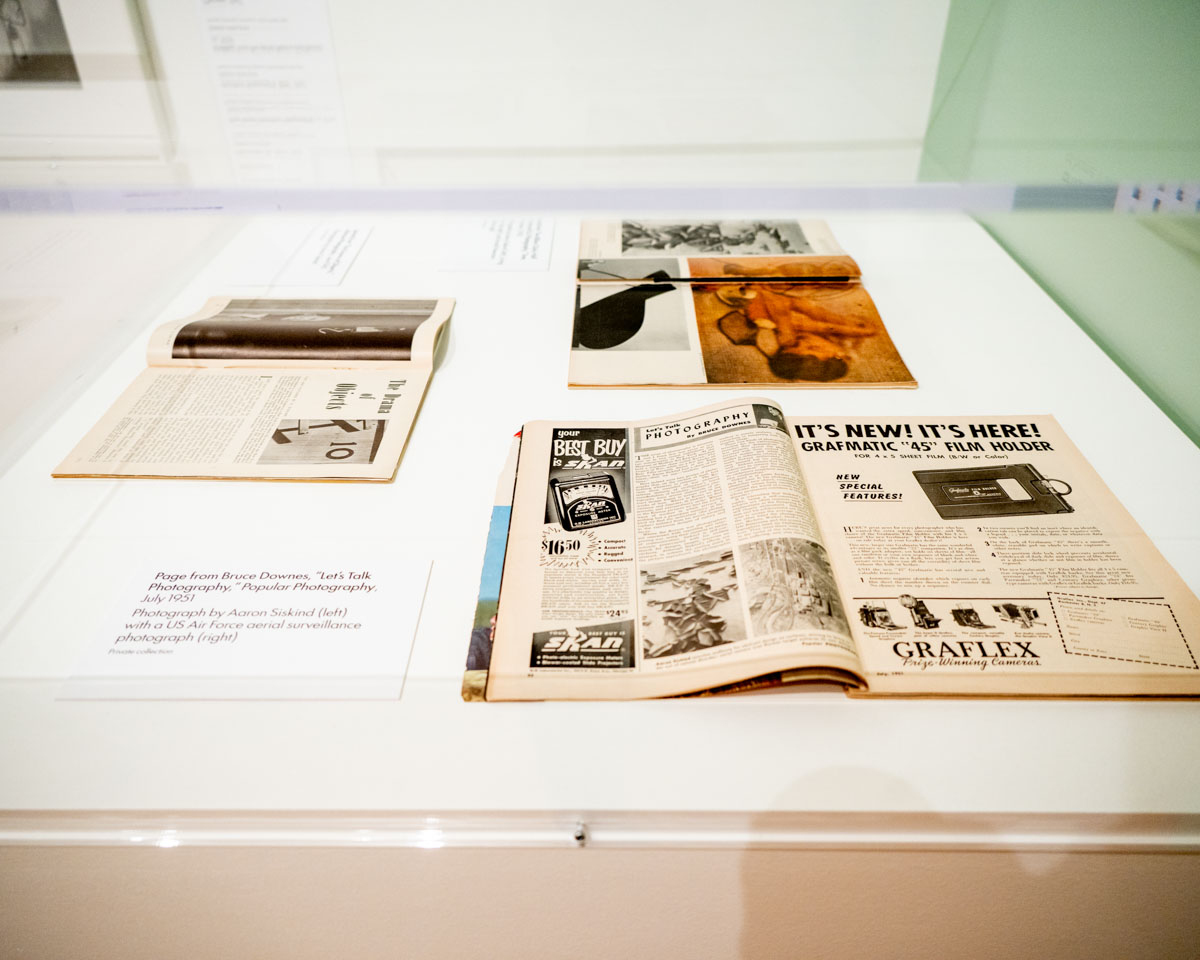
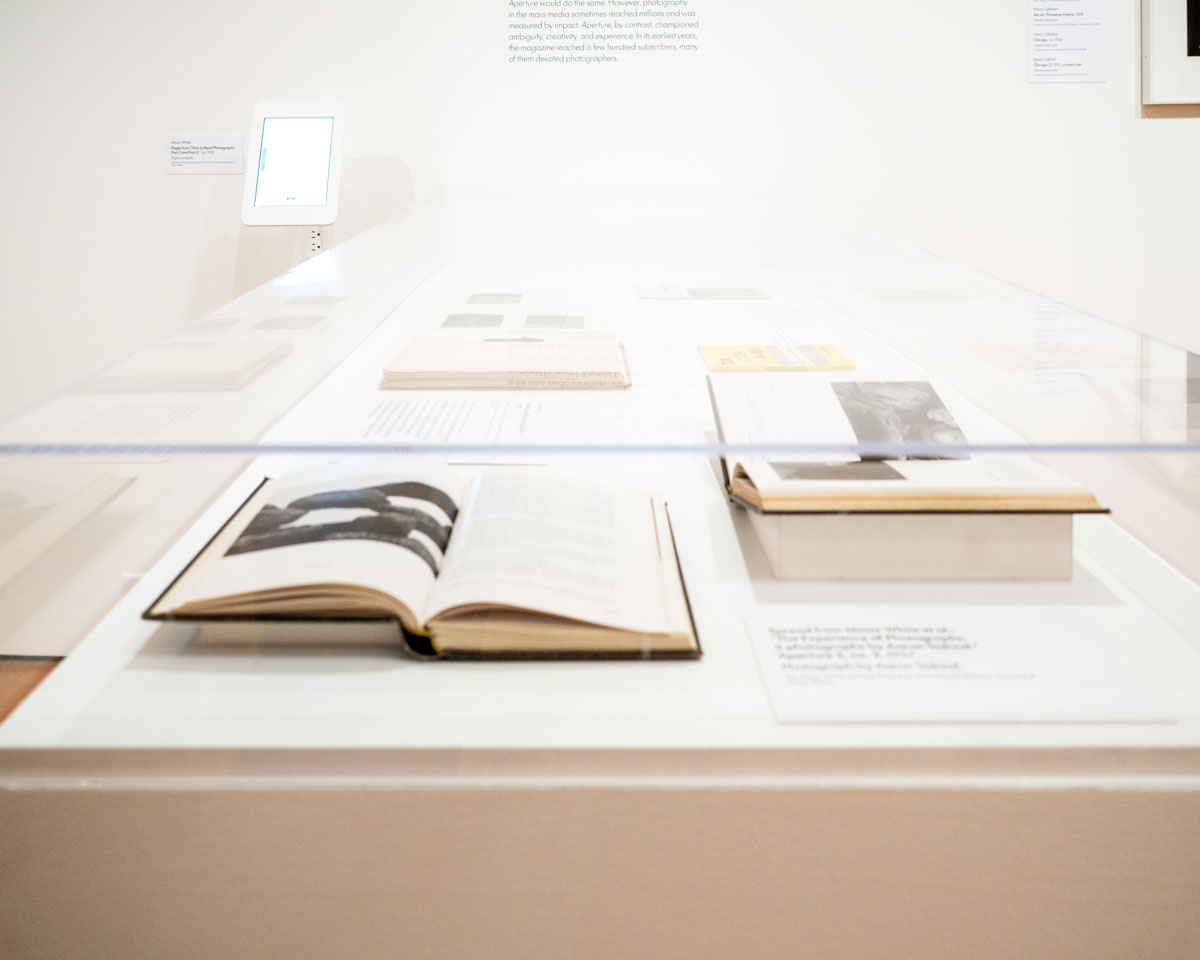
This quietness is entirely forgivable within the context of a strict historical capsule. Where Photography as a Way of Life missteps slightly, however, is when it expands to include works by a wider network of students, descendants and contemporaries loosely linked to the three core photographers to document the conversations the three men catalyzed. Not all of these presenting artists claim a direct lineage to the core three, making their inclusion appear somewhat arbitrary. Furthermore, with these inclusions, the timeline stretches just far enough to lose its tight historical grip, stopping short of the present day, with the most recent images dating to 1991. If the curatorial mandate was broad enough to include this wider network of influences, it begs the question: Why not bring the lineage all the way to contemporary photography?
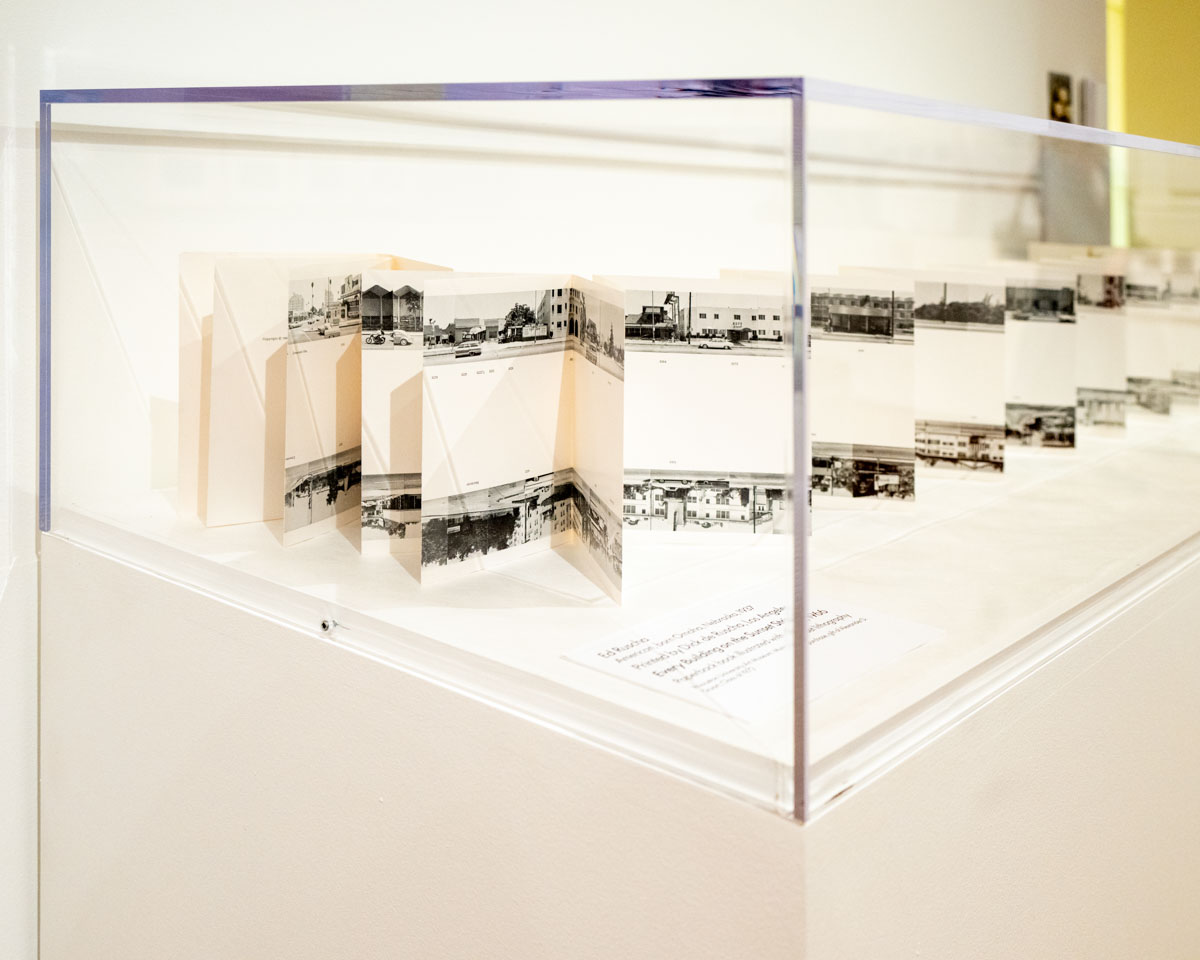
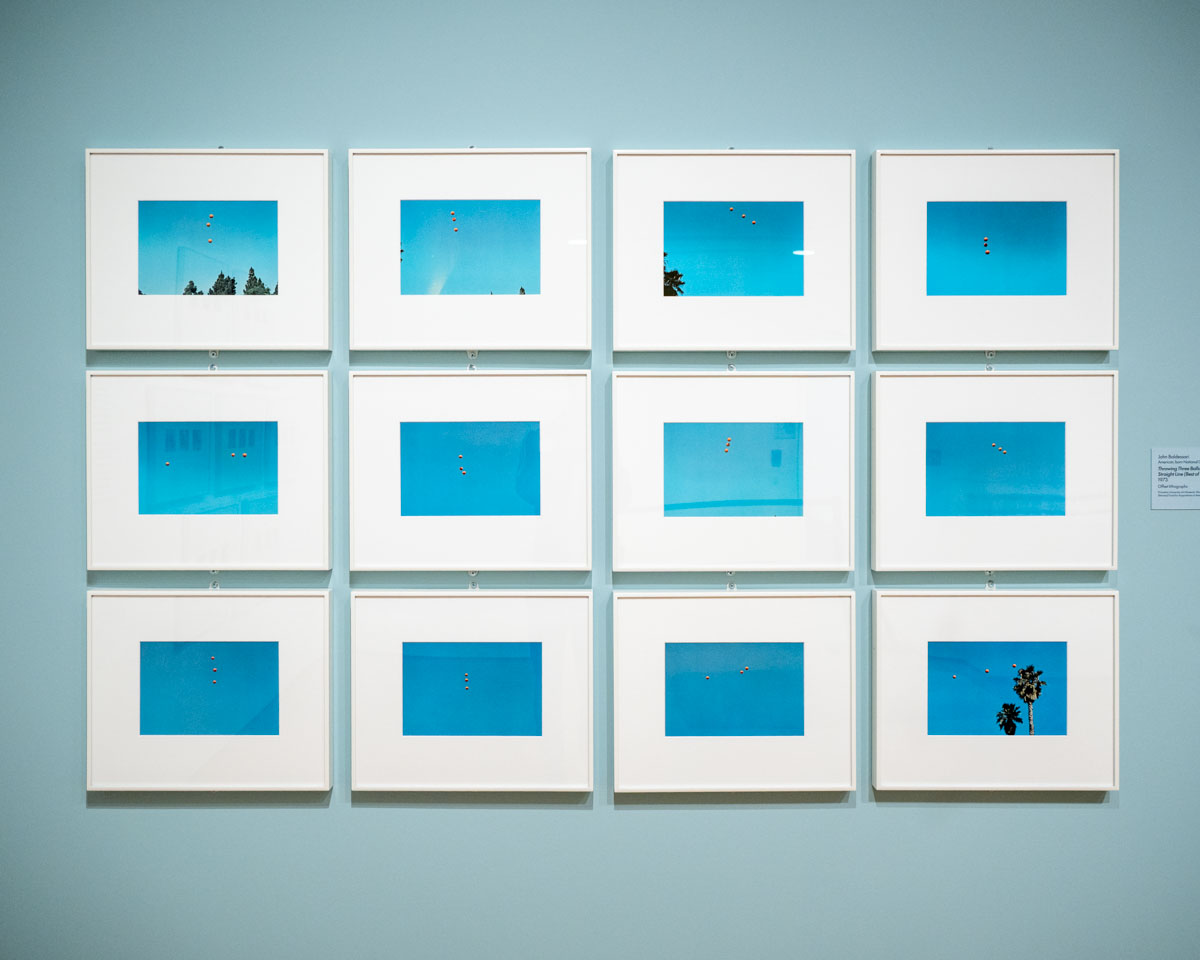
The muted visual impact of the earlier pieces could be easily excused by the show’s strict historical constraints, but by widening the curatorial focus without introducing the scale and physical presence of contemporary photography, the absence of an immediate visual impact feels like a missed opportunity.
Ultimately, Photography as a Way of Life is a rewarding exhibition well worth a visit, particularly for those interested in the academic history of the medium. It delivers a thoughtful exploration of how photography secured its place in the halls of fine arts programs, even if the execution leaves the viewer wanting just a bit more visual punch to accompany the pedagogical history.
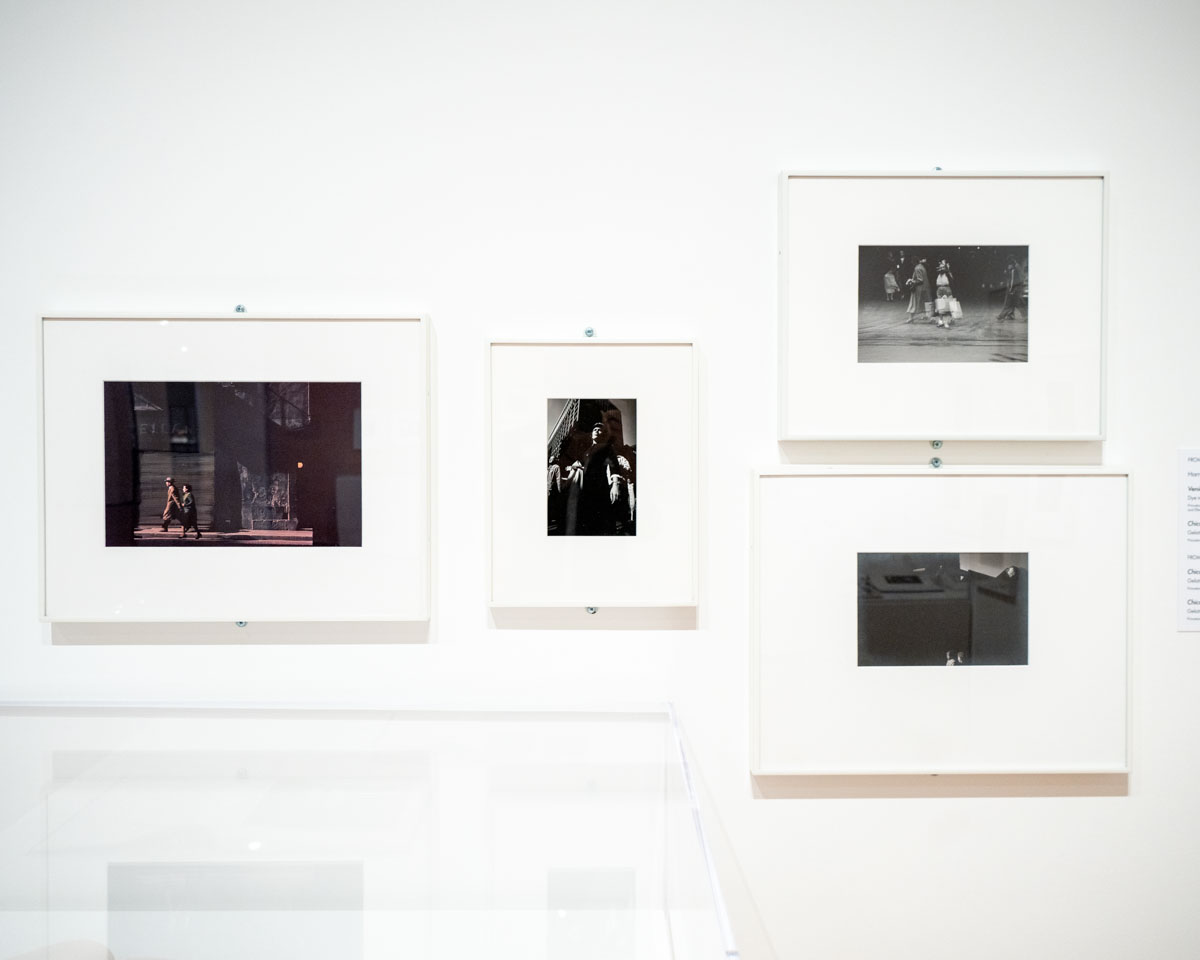
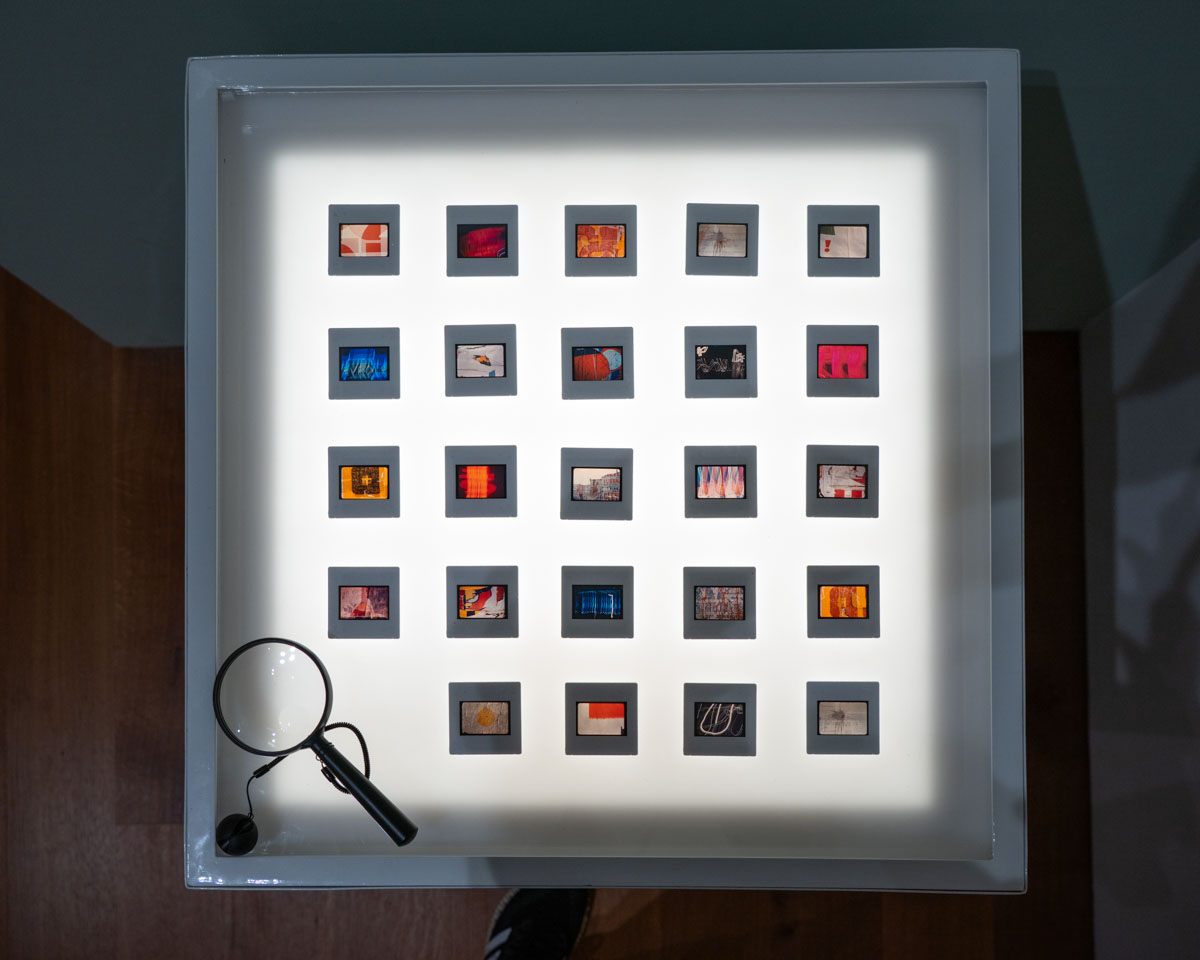
Photography as a Way of Life: Minor White, Aaron Siskind, and Harry Callahan. High Museum of Art. 1280 Peachtree St. NE, Atlanta. Through February 7, 2027. General admission is $23.50 for non-members. high.org/exhibition/photography-as-a-way-of-life/
::

Dr. Kevin M. Storer is a multidisciplinary computing researcher living, working and collecting art in Atlanta. His approach to art criticism and collecting prioritizes the discursive power of artistic practice over purely aesthetic qualities. This perspective is informed by his internationally-awarded scholarship on the complex relationships between people and the objects we create — especially as they shape our identities and social realities. Kevin earned his Ph.D. in informatics from the University of California, Irvine.
STAY UP TO DATE ON ALL THINGS ArtsATL
Subscribe to our free weekly e-newsletter.

PLEASE SUPPORT ARTSATL
Your Gift Sustains the Coverage You Count On!
Related Posts