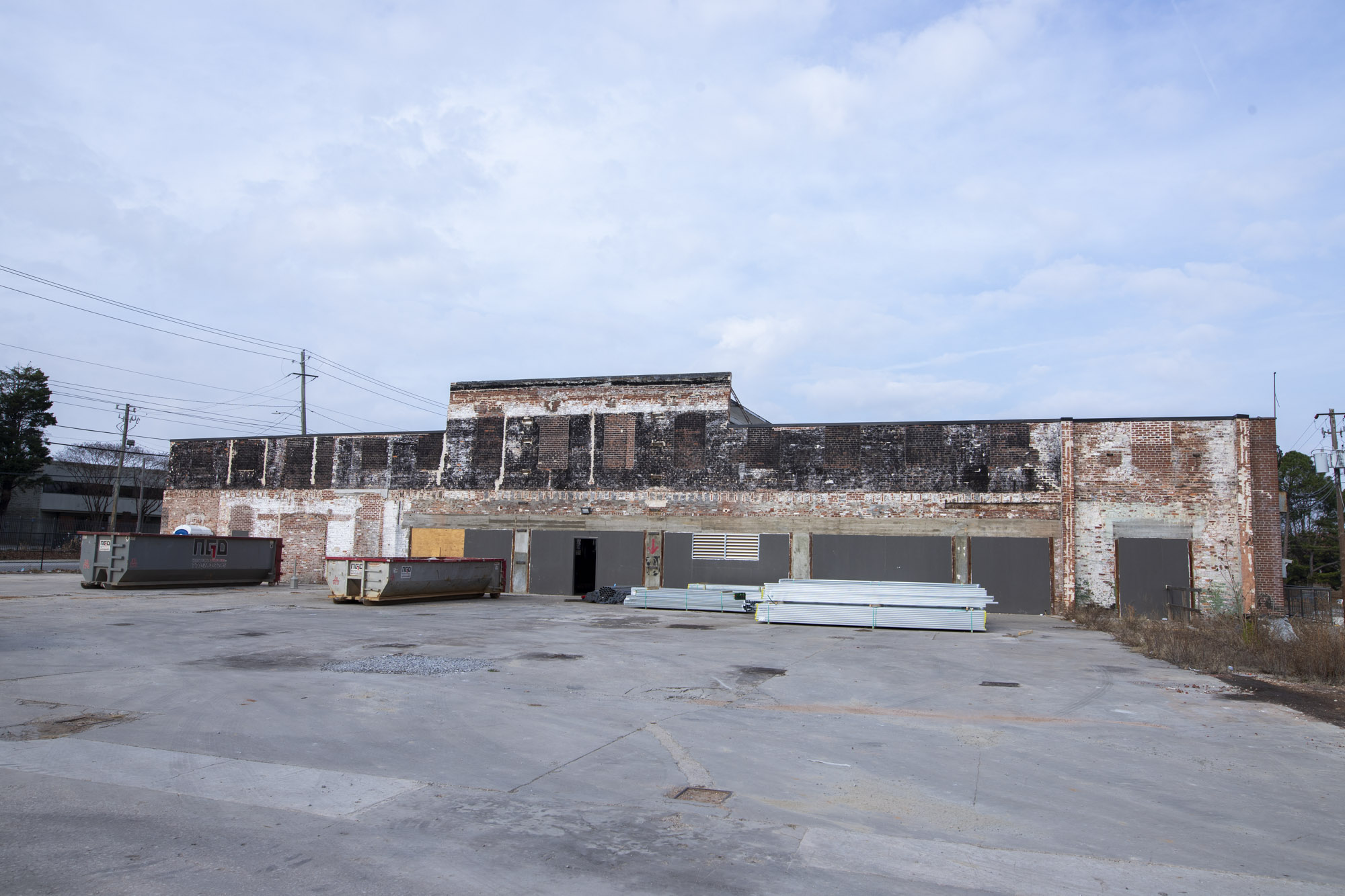
Sneak peek: Goat Farm’s LOOP takes shape at Georgia Tech
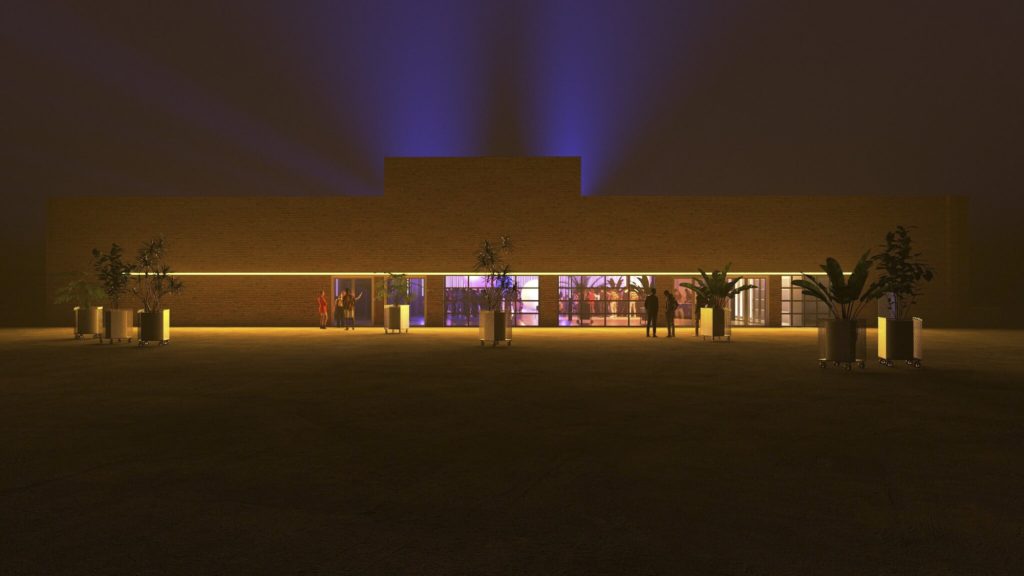
In Midtown Atlanta, a new innovation district is readying to launch. Georgia Tech has partnered with the Goat Farm to produce LOOP, a transformation of a former 1940s-era industrial property into an immersive hub for contemporary arts programming. Situated on 7 acres of land just steps away from Georgia Tech’s campus, this initiative represents a glimpse into the idea of “innovation districts” — the university’s overarching vision to create bustling arts, entertainment and creativity districts.
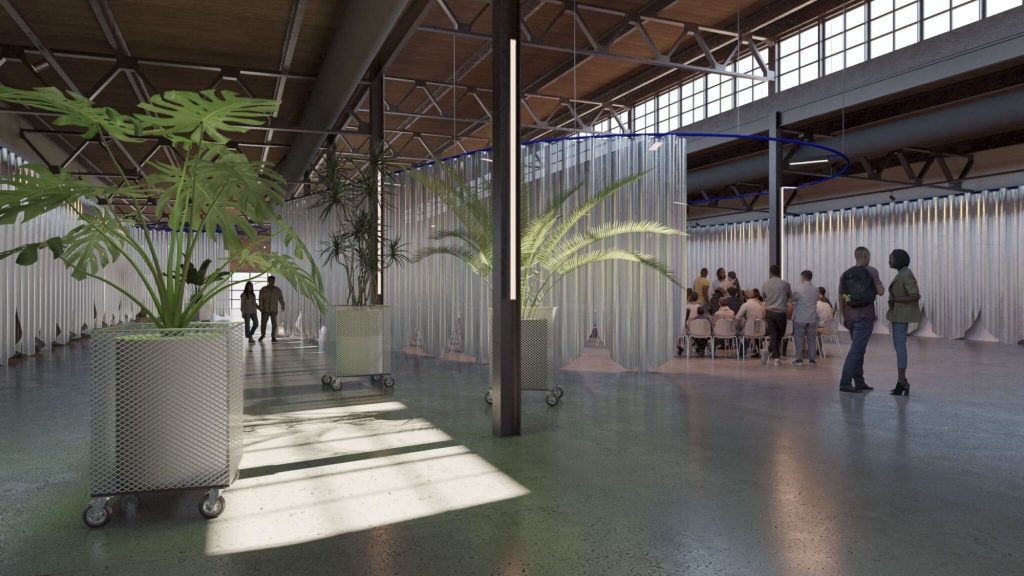
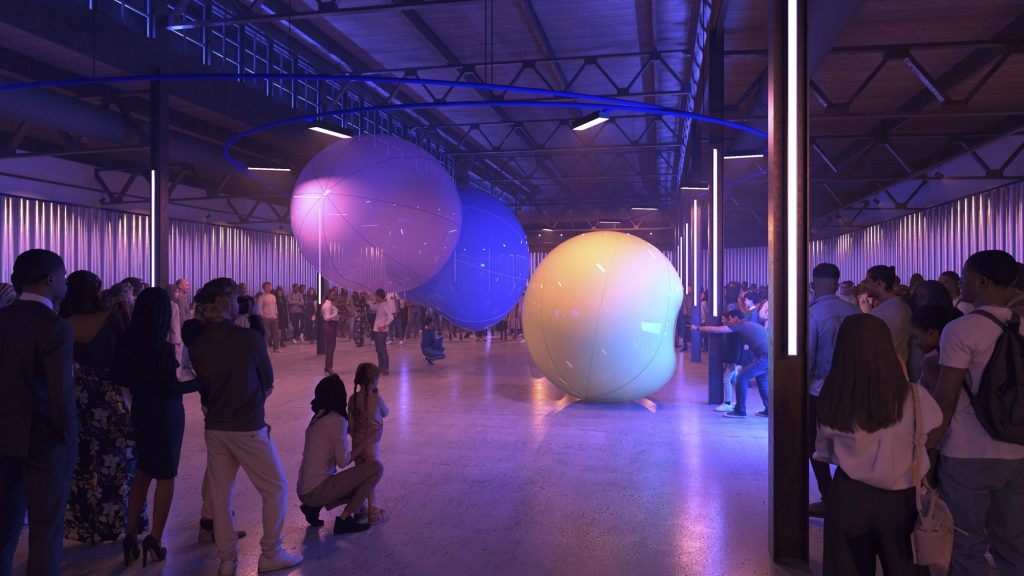
At LOOP, located in the innovation district dubbed the “Creative Quarter,” the design will support the education and research taking place at the university while enabling students, researchers and faculty to collaborate and innovate at the intersection of technology and art. The first two iterations of innovation districts include Technology Square, which has been around for more than 20 years, and Science Square, which launched in 2024. LOOP is currently under construction and is set to debut in May of 2026. The new facility will add to the overall portfolio of Georgia Tech’s Creative Quarter concept through 17 artist studios, multi-use performance and presentation space, large-scale art installations and tech-infused creative experimental events.
Allie Bashuk, the Goat Farm’s design and creative director, walked me through the site to showcase the construction progress since December and highlight the overall vision for the space. On the day we visited, a construction crew was digging trenches and erecting walls inside, offering a sneak peek at the site’s overall transformation from vacant factory into an innovative cultural and artistic hub. Bashuk explained that the Goat Farm and Georgia Tech have had an ongoing relationship for years and that LOOP presents a unique opportunity to continue its collaboration with an exciting and ambitious new facility.
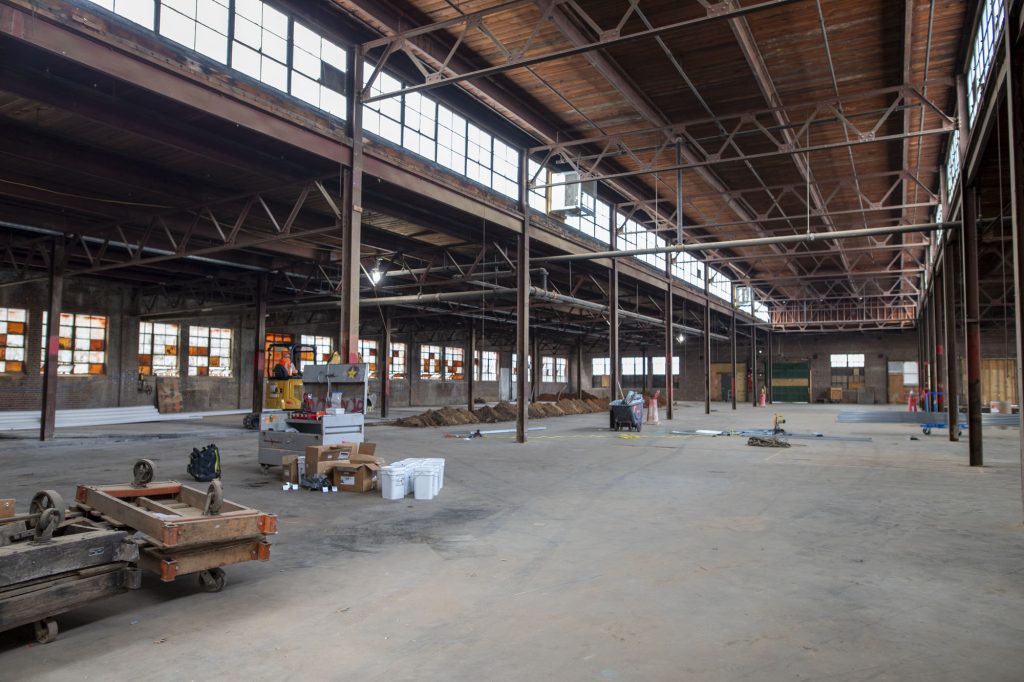


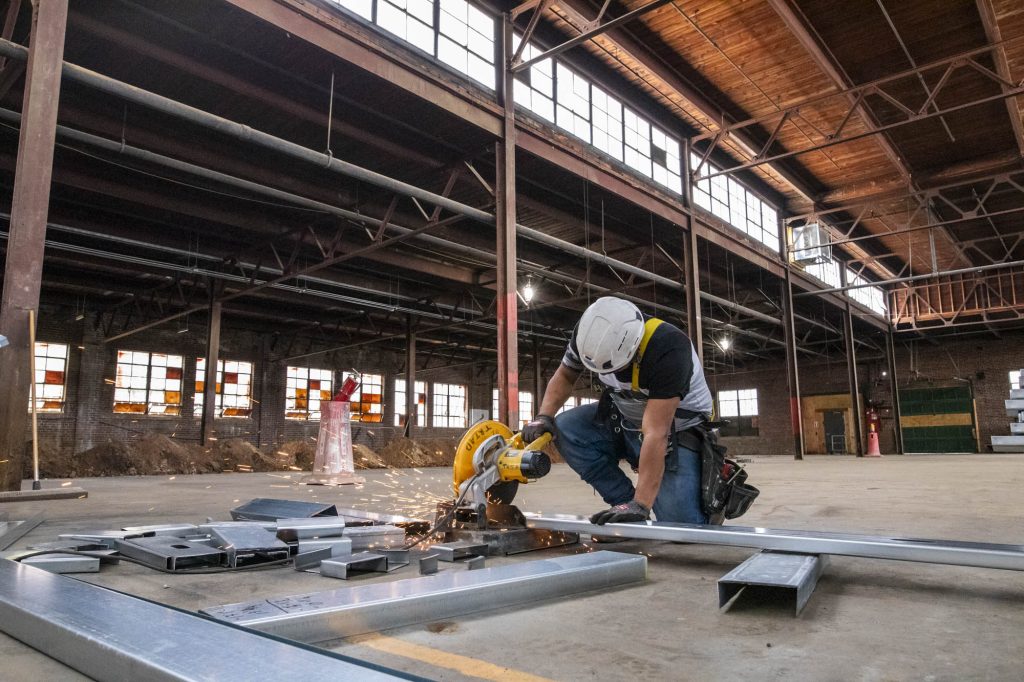


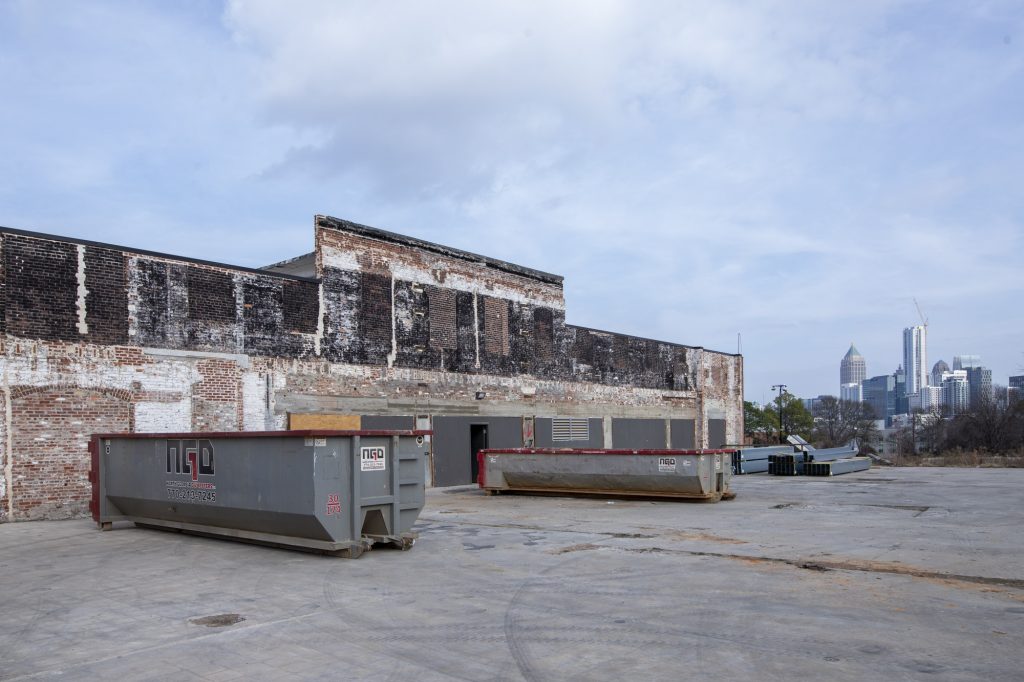
“Georgia Tech students hopefully become Atlanta community members after they’ve graduated,” said Bashuk, expressing her hopes that LOOP will serve as a connection point between the university and the broader Atlanta community. “For many, many years, because of my involvement with Goat Farm, I have been aware of Georgia Tech’s arts arm.” Indeed, the two organizations have partnered in a variety of instances, most of which have taken place at the Goat Farm. LOOP serves as an extension and continuation of that collaborative relationship in closer proximity to the university’s campus. Over the next three years, the Goat Farm will activate the site through events and site-specific art installations that are open both to the public and Georgia Tech students and faculty.
“There’s a wonderful open call curatorial process that is going to determine what happens on that site, and we know that one of the parts of that vision is finding opportunities for students to present their work at LOOP,” said Jason Freeman, associate vice provost of the arts and professor of music at Georgia Tech. Freeman explained that the idea is to make LOOP a comfortable and inviting place for students and the public alike to enjoy arts programming and experiences.
While the long-term goals for the Creative Quarter include more commercially-focused aspects such as retail and housing, the first priority for Georgia Tech is to build out the LOOP concept. As is the case with many similar universities, Georgia Tech has maker spaces where students can go to create works such as costumes, props and sculptures, and a future arts maker space at the Creative Quarter will take this concept one step further.
“What we want to do with the arts maker space on the Creative Quarter site is really lean into this intersection of art and technology and find ways not just to fabricate physical things but props and set pieces and sculptures, but also give them access to state-of-the-art digital production for video and audio capture, for extended reality augmented reality, virtual production and all these technologies that are on campus that students do not currently have access to today,” Freeman continued.
I asked Freeman why the arts are so important to the overall vision of Georgia Tech, and he explained that, in part, it’s because students demand access to the arts. The team at Tech knows that students in all disciplines want access to robust art offerings offered at the highest level. “That’s a priority for us simply because students are a priority, and we want to meet them where they are,” he said. Beyond that, Freeman highlighted the benefits of access to the arts in helping students develop a sense of community and belonging, leading to a more well-rounded experience for all.
“One thing that we see over and over again is the transformative power of the arts with our students to, on the one hand, help them develop a sense of community and belonging during their time here at Georgia Tech, find people with similar interests, build community and thrive in their experiences here as students,” said Freeman. “At the same time, [they also] develop the kinds of skills and creativity, leadership and divergent thinking that are critical to their future career success.”
Freeman explained that he sees that we are currently at an inflection point in terms of the role of technology in artistic practice. He noted the ways that technology has affected not just the practical production of art but also the economics surrounding the arts as well. “Georgia Tech is very well positioned with our technological expertise and our focus on business and entrepreneurship and the long history that we have of work at the intersection of art and technology to really train students in ways that are different from traditional art degrees and have a broad-based experience across artistic practice.”
The innovative plan to develop LOOP is presented in the same year as the launch of a new undergraduate degree program at the university. Per the Georgia Tech website, “The new Bachelor of Science in Arts, Entertainment and Creative Technologies (AECT) combines artistic foundations, technical innovation, creative entrepreneurship and sustained partnerships with creative studios, technology companies, start-ups, nonprofits and artists. Applications are now open to undergraduate admission and both internal and external transfer admission, with a full degree launch in fall 2026. An optional portfolio gives applicants a chance to show off a wide breadth of creative work.”
Over the next decades, students at Georgia Tech, as well as the greater Atlanta arts community, should expect to see a continuation of this innovative approach to arts and technology from projects such as this one. Freeman described the overlap of Georgia Tech Arts’ mission with the Goat Farm’s as “uncanny,” with the existing partnership expanding through the integration of LOOP.
“The growth that we have in mind over the next couple decades for that site . . . it is important for us to start in a way that really prioritizes the Atlanta arts community and makes this space accessible — a place where we can really collaborate with them and showcase the work that’s already happening in the city,” said Freeman. “It’s inspiring and incredible.”

As we walked the grounds, Bashuk explained that the Goat Farm’s expertise in the realm of funding innovative art experiences through artist studios has laid the groundwork for a project like LOOP to truly flourish. “It’s very important that art gets made with very few strings attached,” Bashuk asserted. A portion of the artist studio rental fees will be funneled back into the arts through microgrants and funding for more experimental art made on the property, which speaks to the Goat Farm’s ideology of supporting the arts through practical, tangible means.
“Because we do have this connection to Georgia Tech, there is a lot of research that’s going to happen, and I think that can’t all happen within the university system,” said Bashuk. She also highlighted the resource sharing that can occur between researchers, technologists and artists at LOOP. “ A visual artist probably doesn’t have the ability to have all the understanding of a creative technologist, but [LOOP is] pairing them together. And I feel like at the Goat Farm, that’s sort of been our secret sauce — having that network of people and connecting them.”
LOOP is a product of multiple partnerships, namely MALL-Stayner Architects through which Jennifer Bonner and Christian Stayner are responsible for design and architecture. Anava Projects co-founders Anna Carnick and Wava Carpenter offer consultations on national and international arts and design events, opportunities and partnerships. JJLA will coordinate world-class live events and entertainment at the site, and ASHA Advisory Principal, Neda Abghari, for arts consulting and partnerships.
::

Isadora Pennington is senior editor of art + design and dance. An experienced writer and photographer with a deep love for the arts, Isadora founded the Sketchbook newsletter with Rough Draft Atlanta in 2022. She is also president of the Avondale Arts Alliance and director of the Avondale Arts Center.
STAY UP TO DATE ON ALL THINGS ArtsATL
Subscribe to our free weekly e-newsletter.

PLEASE SUPPORT ARTSATL
Your Gift Sustains the Coverage You Count On!
Related Posts