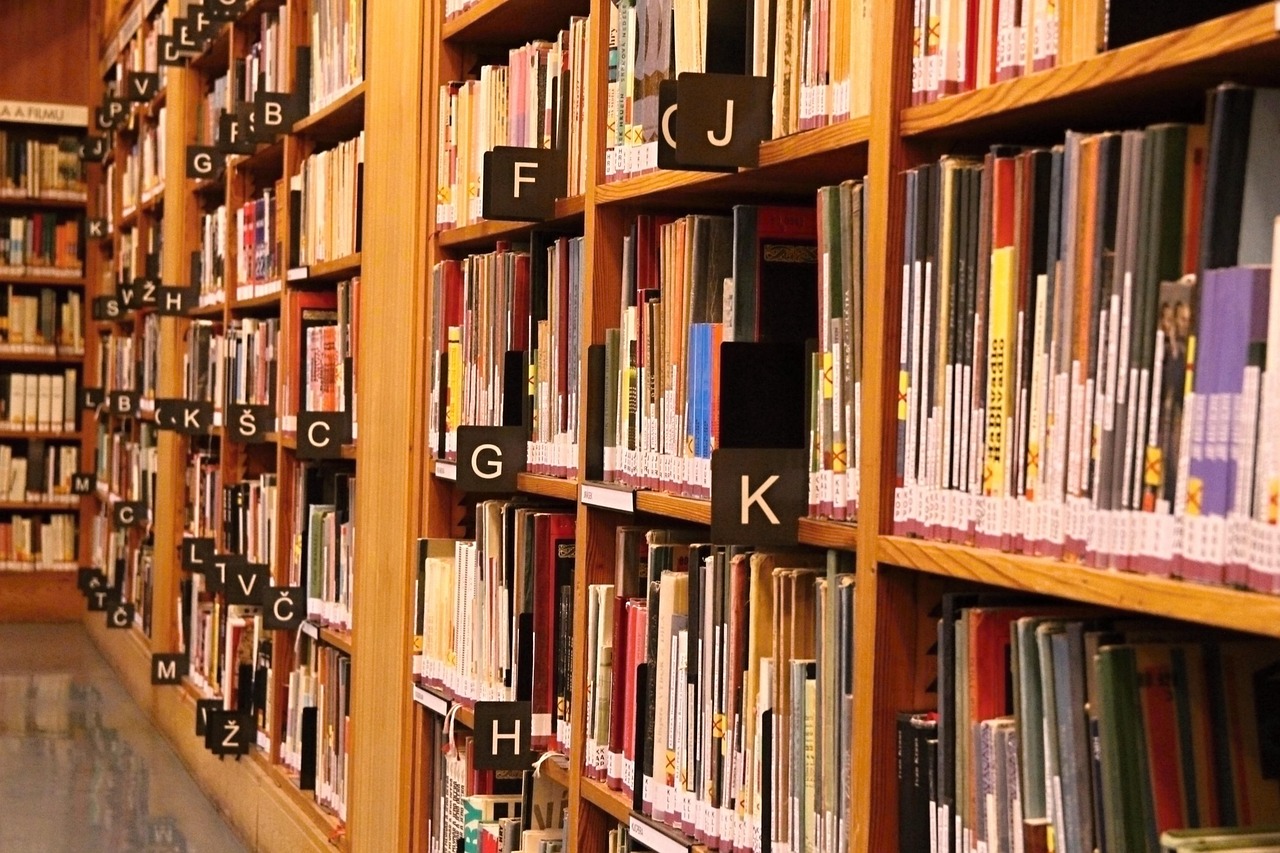
Library Criminalization Bill SB 74 is a ‘solution’ in search of a problem
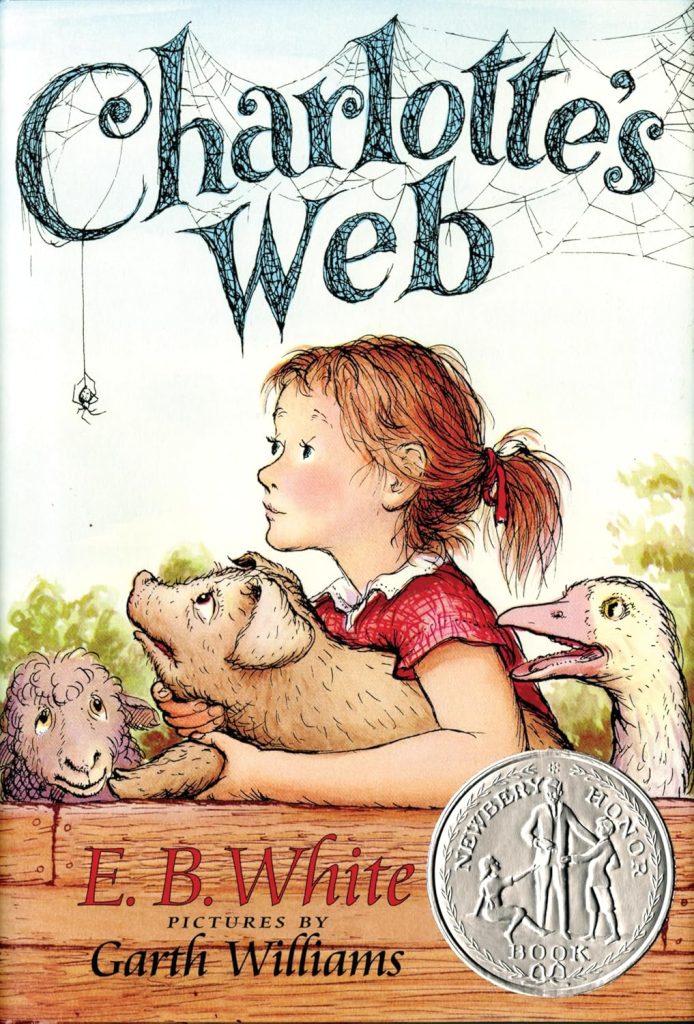
Lisa MacKinney, director of the Hall County Library, was a sensitive kid — so sensitive, in fact, that when the titular spider died in Charlotte’s Web, “They just about had to take me to the hospital. I hyperventilated. It upset me so much.”
Afterward, MacKinney’s mother, a voracious reader herself, instituted a new rule: If any animals died in a book the class read aloud, MacKinney would be pulled from the class. That experience gave her firsthand experience of the kinds of concerns parents face when searching for books for their children. “I was the only child forbidden from reading or watching Charlotte’s Web, I’m sure. But she knew that I actually could not handle that.”
Approximately 55 miles from the Hall County Library, in the Georgia state Legislature, state representatives are considering SB 74, the so-called librarian criminalization bill, introduced and passed along party lines by Republicans in the state Senate. It came amid growing movement toward book banning in some Georgia communities, including Cobb and Columbia counties, which have seen heated debate in recent years over which books should be allowed in school and public libraries. Leaders in these communities have leaned toward removing books dealing with sex, sexuality, gender or race — and the public employees who advocate for them.
In its original form, SB 74 would have allowed librarians who permitted minors to check out books later deemed “harmful” to be prosecuted, and library, education and freedom-to-read advocates raised the alarms.
“I will say this law is a much, much improved version over what we have seen in the past,” MacKinney says, adding that libraries have been working with state legislators toward those improvements. The biggest change is an amendment submitted by State Rep. Soo Hong, R-Lawrenceville, based on feedback from a West Georgia librarian. With Hong’s amendment, MacKnney says, library boards’ existing role as the ultimate decision-makers over which books are allowed in a collection would be enshrined into law.
“I’ve never worked in a library where the library board was not already the defining factor,” MacKinney says. “As it’s written right now, [this law] outlines a little bit more the responsibility that they already have.”

However, SB 74 would result in one major change. Currently, library boards have the power to fire any librarian who refuses to comply with their rules about which books are age-appropriate for whom. “Now, if I refuse to follow [the board’s] order, they can fire me,” MacKinney says. “I mean, if I can’t follow the direction of my boss, that’s what happens.” The difference, she says, is that under SB 74, “I could be prosecuted in addition to being fired.”
Currently, Georgia law provides librarians with legal exemptions from obscenity prosecution, not because libraries house obscene materials, as the bill’s architects suggest, but because libraries serve patrons of a variety of ages. This means that they house materials that may be considered obscene for one age group but are protected under the First Amendment for older age groups. The exemption ensures that librarians will not be prosecuted as a result of disagreements between parents with conflicting values over what is appropriate for their children.
SB 74 would remove that exemption, raising the stakes for librarians caught in the middle of the culture wars — wars that have already led to the firing of at least one Georgia librarian. If the bill passes, such librarians, in addition to being fired by their boards, could face aggravated misdemeanor charges up to a $5,000 fine and up to 12 months in prison.
“We’re already not doing these things,” MacKinney says of distributing obscene materials, adding that the prospect of criminalization “is a little intimidating, scary and it’s a little hurtful to feel like there’s suspicion around some of our motives.”
This is especially true because libraries already have strict rules governing how children can use the library. Most, if not all, of Georgia libraries do not even allow children on the premises without an adult until they reach a designated age. In addition, because parents are responsible for any book their child checks out, libraries provide them with full access to information about every book — a tool MacKinney encourages parents to use. She adds that librarians love to help parents find books that they will feel excited for their children to read.

What’s more, federal law already prohibits the sale or distribution of obscene materials, meaning that public libraries are not allowed to buy them, and publishers are not allowed to publish them. And the Supreme Court established strict rules in 1973 for determining what constitutes obscene materials, which are not protected by the First Amendment.
So if parents already have oversight over the books their children are able to check out at public libraries, and those libraries are already beholden to strict rules about which materials they are allowed to circulate, why is the Legislature taking the time to pass this functionally redundant law?
The national trends are clarifying.
Book banning — which includes passing laws like SB 74 that limit or facilitate limitation of access to books that were previously available — has proven fertile ground for conservative politicians aiming to get supporters out to the polls. Librarian criminalization is an increasingly common part of those efforts. These laws are written, promoted and passed based on the false premise that libraries contain books that aim to brainwash, groom or otherwise abuse children, and librarians distribute such materials to unsuspecting children. These laws make librarians the pressure point for conservative ire about books they don’t like, reducing public trust in libraries and intimidating their boards into self-censorship.
“Now every library board in Georgia becomes a censorship board,” said State Rep. Esther Panitch, D-Sandy Springs, in a February committee meeting on SB 74. “They will be calculating legal risk: When the choice is between keeping a challenged book on the shelf or exposing your libraries to prosecution, the book will lose every time.”
That, critics contend, is the point.
Georgia obscenity law currently includes homosexuality, masturbation and sexual intercourse in its definition of materials that are “harmful to minors.” It seems likely that SB 74 would embolden leaders in districts like Cobb County — where 36 books written for children or teens have been officially removed from school shelves, most of them featuring LGBTQ+ characters or developmentally age-appropriate references to sex — while intimidating leaders elsewhere into falling in line.
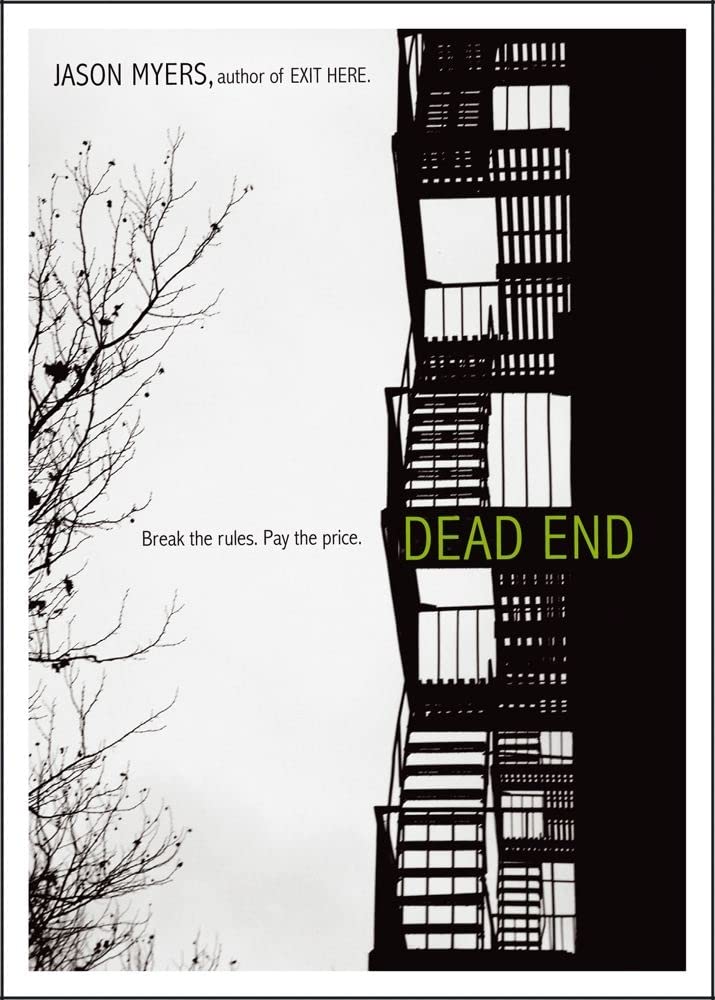
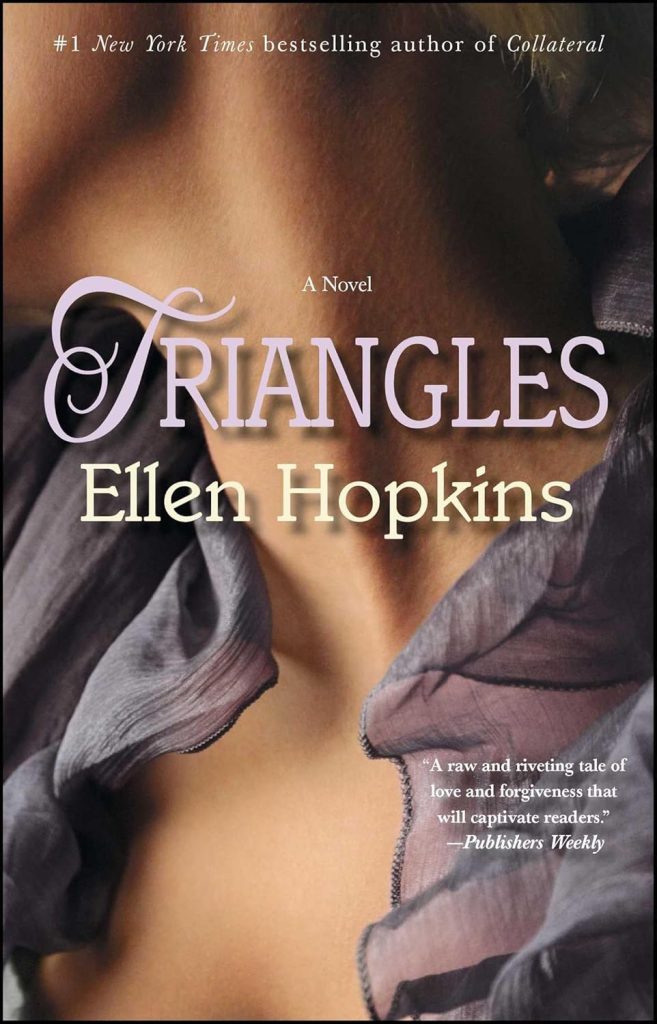
The bill’s supporters have done little to quell that concern. Republicans on the House Judiciary Non-Civil Committee rejected a proposed amendment to remove homosexuality from Georgia’s definition of harmful material. And after the committee approved the bill, lead sponsor State Sen. Max Burns, R–Sylvania, suggested to reporters that books depicting LGBTQ+ characters in non-sexual romantic situations, such as holding hands, could be subject to obscenity complaints if SB 74 becomes law.
The obscenity laws, he said, “would be a discussion for a different bill and a different legislation. Do they need to be updated? Perhaps, but that’s got to be a discussion for another piece of legislation.”
Still, MacKinney stresses that library boards’ decisions generally reflect what they’re hearing from their community, and that will not change, whatever SB 74’s result. Parents and community members already have the right to lobby their local library boards. It’s a power that people who want books they find offensive removed from libraries have used effectively for years.
“I’m a big believer in being involved in your government, making sure you express the right that you have to state your beliefs and what you believe in and send that out to those who serve you,” MacKinney says. “We’re here to serve the will of the people. And our voicemails, our office doors, our emails should be available to that feedback.”
::

Rachel Wright has a Ph.D. from Georgia State University and an MA from the University College Dublin, both in creative writing. Her work has appeared in The Stinging Fly and elsewhere. She is currently at work on a novel.
STAY UP TO DATE ON ALL THINGS ArtsATL
Subscribe to our free weekly e-newsletter.

PLEASE SUPPORT ARTSATL
Your Gift Sustains the Coverage You Count On!
Related Posts