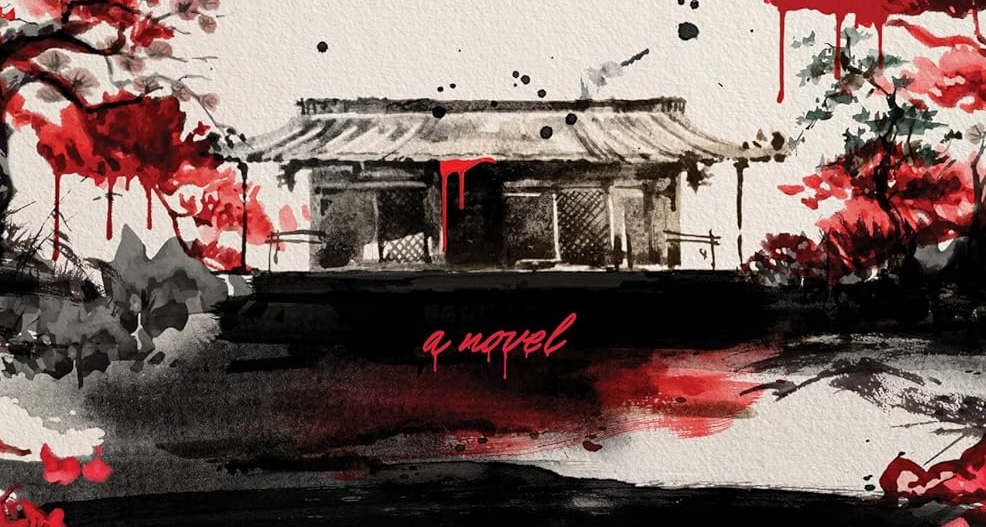
Review: Kylie Lee Baker’s ‘Japanese Gothic’ stokes dread, salves with off-kilter beauty
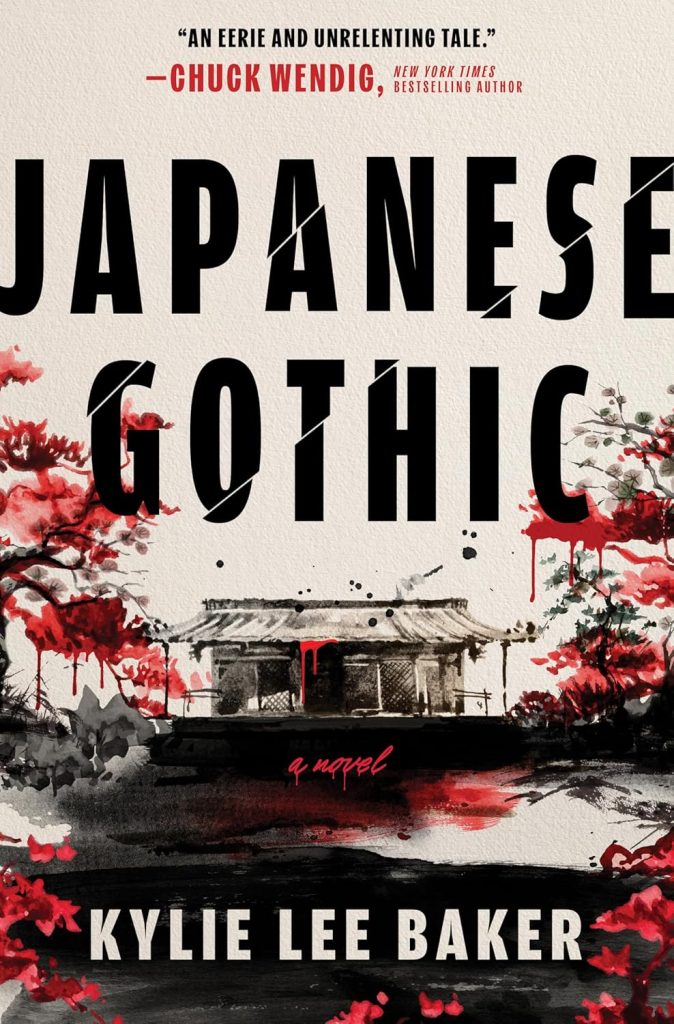
Last year, Atlanta author Kylie Lee Baker released her first horror novel, Bat Eater and other Names for Cora Zeng, to wide acclaim. Nobody would have blamed her for taking a year off, but, luckily for horror fans, she didn’t. Japanese Gothic (Hanover Square Press), her newest effort in the genre, comes out April 14.
The novel follows Lee and Sen, 20 somethings in crisis who live in the same strange, secluded Japanese house nearly 150 years apart — and sometimes see each other through their shared closet door.

In October 2026, Lee arrives at his expat father’s new house in the Japanese countryside, fresh from murdering his college roommate in New York City. Lee, who developed a sedative habit to stave off traumatic memories of his mother’s disappearance when he was 12, barely remembers the murder and is terrified that in getting caught, he will kill his father, who has a heart condition.
Meanwhile, In October 1877, Sen is the sharp, determined daughter of the only surviving samurai, who returned in shame after a rebellion against the Japanese government killed all of his comrades. In hiding at the same country house, he now trains Sen to be a samurai. Romantic as this setup may sound, Sen’s father is brutal and sadistic. His sole purpose is to kill and be killed, and he is determined for his daughter to follow in his footsteps.
The plot of Japanese Gothic is propulsive — exciting and easy to read despite heady themes. The narrative skips, reverses, stutters and pauses between timelines as Lee and Sen investigate their connection and navigate their personal turmoil, and though Baker sometimes leaves us unsure where we are or where we’ll go next, we never doubt that she’s in control. This combination of dreaminess and suspense go to good use stoking a sense of unease into a slow-burning dread.
Among the greatest dangers in Japanese Gothic is parental love, which often turns out to be as dangerous as anger. Sen’s father, for instance, dotes on his daughter as the final hope of the samurai, but that attention is characterized by a sort of toxic traditionalism: abusive, misogynist, death-obsessed. His version of love leaves her lethal, on perpetual high alert and unable to function in normal Japanese society.
Baker gives significant consideration to how both societies and families pass violence from one generation to the next. Lee and Sen’s grim histories traumatize and isolate them from themselves and their wider communities, leaving them vulnerable to their own worst impulses and giving way to sometimes breathtaking violence, though it’s well-earned in context and never feels extraneous.
There’s beauty in this story, too, even if it’s off-kilter. The house is surrounded by natural wonders: lush sword ferns; sun-dappled forests; flowers of every season blooming at the same time. The ocean provides the characters a place of respite in uncertain times — always calm, predictable and sparkling. Flashes of Japanese folklore punctuate the story, in turns enchanting and ominous.
Perhaps surprisingly, given the rest of the book’s contents, it’s the moments of tenderness between characters that have the biggest impact. Such moments are warm and generous, brighter for the horrors elsewhere, and they keep Japanese Gothic from ever feeling bleak, despite its characters’ bleak circumstances. If violence sours the soul, these moments seem to suggest that kindness can preserve it.
::

Rachel Wright has a Ph.D. from Georgia State University and an MA from the University College Dublin, both in creative writing. Her work has appeared in The Stinging Fly and elsewhere. She is currently at work on a novel.
STAY UP TO DATE ON ALL THINGS ArtsATL
Subscribe to our free weekly e-newsletter.

PLEASE SUPPORT ARTSATL
Your Gift Sustains the Coverage You Count On!
Related Posts