Freedom to Read Georgia helps kids talk about censorship, strengthens the roots of literacy
It’s Banned Book Week again, and the news isn’t great. According to PEN America, 11,982 books were banned last school year, the highest number the nonprofit has tracked since it began in 2021. The figure includes 4,500 previously unbanned books, the most added in a single year. In Congress, a trio of censorship bills — HRs 7661, 2616 and 8705 — are circulating in the House of Representatives, and another, SB 4925, is in the Senate.
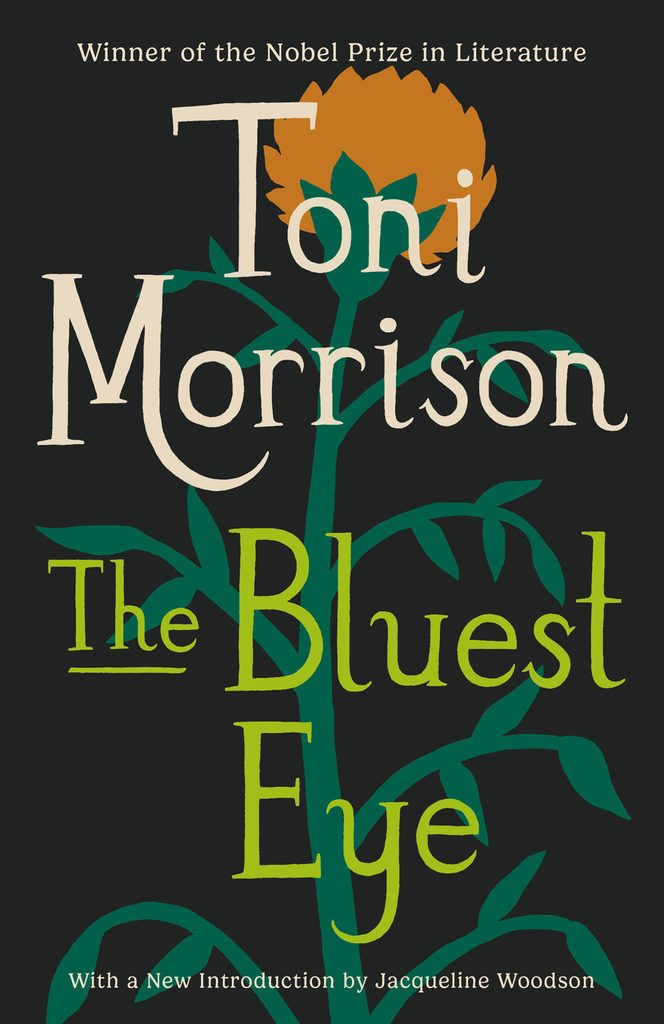
Censorship has also been a persistent issue locally. In September, Monroe County banned 34 books from library shelves, including Nobel Prize winner Toni Morrison’s debut novella, The Bluest Eye, about an abused Black girl’s search for love and acceptance. The same month, Cobb County schools banned Morrison’s novel, weeks after Superintendent Chris Ragsdale gave a controversial speech to teachers in which he referred to books with sexual content as “grooming material” designed to divert children into sex trafficking. Meanwhile, the state Legislature has introduced censorship bills with mixed success. For example, state lawmakers have attempted multiple times to pass a law removing legal protections for librarians, most recently SB 74, which failed to receive a floor vote last session following public outcry.
Read more on ArtsATL: Bill SB74 is a solution in search of a problem.
Freedom to Read Georgia was inspired by children
Luckily, Georgians are fighting back. In 2021, in response to similar attempts to control Georgians’ reading, a coalition of state organizations — including the Georgia Library Media Association, the Georgia Library Association and the Georgia Council of Teachers of English — came together to create Freedom to Read Georgia.
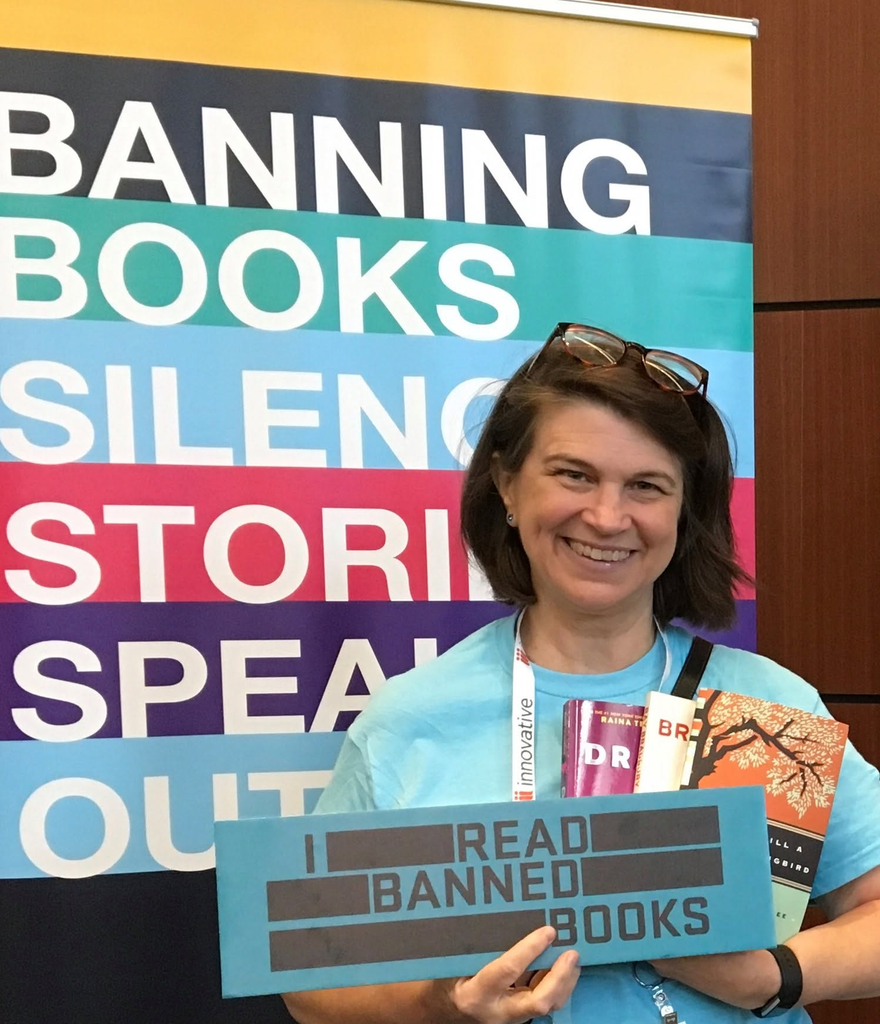
“We decided that the group most impacted by restricting access to materials in libraries were children, so the voices that needed to be heard were the voices of children,” says Nan Brown, advocacy coordinator at the Georgia Library Media Association. With that in mind, Freedom to Read Georgia established annual essay and video contests to provide students with a public platform to voice their thoughts on censorship and share them with policymakers.
“For many students, the school library is their access to books,” she says. “They may have very few books at home.” This is a particular problem for voracious readers, and Brown adds that any child can become a voracious reader. It’s just a matter of “the right book at the right time for the right kid.”
And that, she says, requires literary freedom.
Freedom and literacy go hand in hand
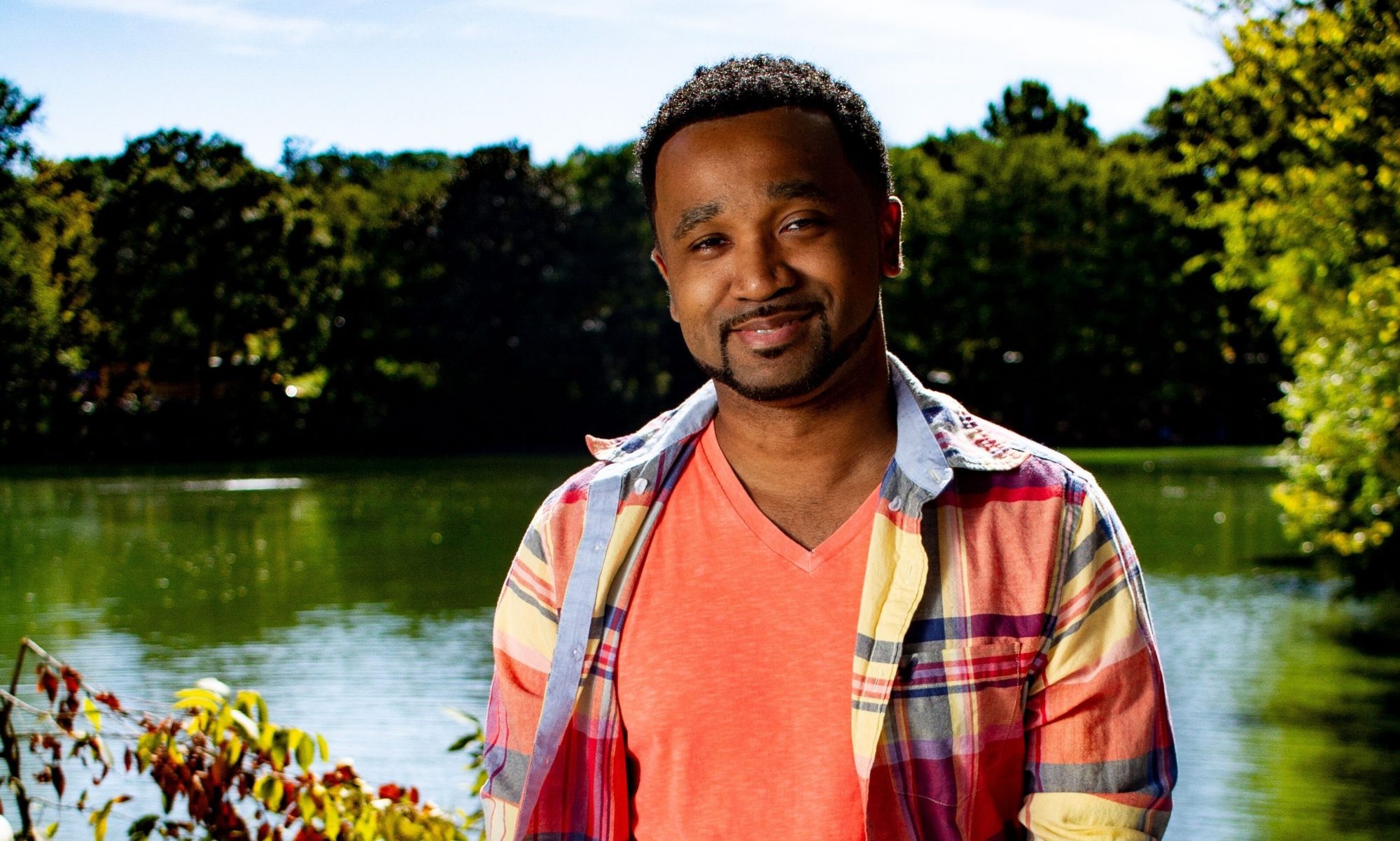
Atlanta author Julian Winters loved books in elementary school, but his interest in reading diminished as he aged. By eighth grade, he’d learned that when the books at school featured Black or LGBTQ+ characters like him, they had tragic storylines.
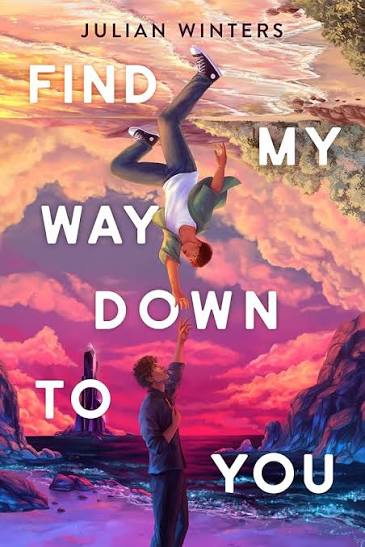
“As a young reader, seeing that and knowing that the stories are telling me someone like me will never make it to the end — will never get the happily ever after — that made me so reluctant to pick up books in school,” says Winters, who is most recently the author of the romance Find My Way Down to You.
He longed to read about people like him falling in love, saving the day and learning rather than dying from their mistakes. So he started writing those stories for himself in fan fiction and online forums, where he encountered other writers like him. Eventually, one of those writers introduced him to the kinds of novels he’d longed to read as a kid. “I wasn’t exposed to some of the great things that other literary people were doing in that space in school because that wasn’t part of the classics canon,” he says, calling the lack of literary diversity in schools an “injustice” to young readers.
Brown, too, connects a lack of choices to the nation’s abysmal literacy rates. “If you reach that goal of 95% or 98% of kids reading on level at the end of third grade, but you don’t give them things they want to read after that, then it’s like teaching handwriting,” she says. “If they don’t keep up with it, then they don’t grow in it, and it atrophies.”
The best way to avoid that, she says, is for kids to find “that book they don’t want to put down.” It doesn’t take much for them to get hooked on reading.
Giving kids a voice is the priority
Because the contests’ goal is to help kids communicate, Freedom to Read organizers designed them with an eye toward self-expression rather than competition. Instead of being ranked, entrants receive one of several different levels of recognition, with the most exemplary entries posted on the website to be shared with policymakers and the public. According to Brown, student essays and videos are particularly impactful in districts where political groups are pressuring leaders toward censorship. “If they hear from the students,” she says, “then the decision-makers can say, ‘We respect your right to manage your own child.’”
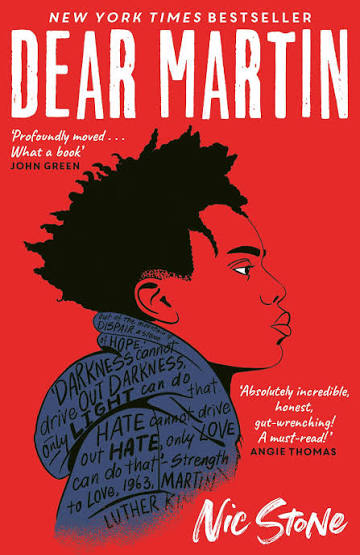
Brown says the contest has led to plenty of strong student statements. In one memorable essay, a student connected an experience when his uncle was pulled over by police to his reading of Dear Martin, a YA novel about racial justice by Atlanta author Nic Stone. The student, who happened to be one of Brown’s, had been a resistant reader, but, after Dear Martin, he started coming to the library. “He’s like, ‘I need more books like this,’” she says.
That’s exactly the kind of experience Winters wants kids to have when they read, and he worries that the current political climate will rob them of the opportunity. “It just brought me back to being a child again, because suddenly every book that was being banned was a book that helped me and reminded me how great I am as a person.” So when Winters got the chance to participate in this year’s contest, he jumped. “I can’t let this happen,” he recalls thinking.
Winters is one of many authors donating time, books and support to entrants. He is submitting an encouragement video, as well as donating signed copies of several of his books. He’s excited that students will get direct motivation from local authors with books on their library shelves. “Becky Albertalli is telling me I need to enter the contest, so I’m gonna enter the contest,” he says.
More importantly, he says, he wants kids facing literary censorship to know that they’re not alone. “There are so many stories out there waiting to welcome you, to comfort you, to make you feel seen, to give you that warm hug you need, to make you feel magical, to make you feel powerful,” he says. “Do the thing that they don’t want you to do. Read, read, read and read widely.”
Freedom to Read Georgia’s 2026 essay and video contests are open to Georgia K-12 students until October 31.
::

Rachel Wright has a Ph.D. from Georgia State University and an MA from the University College Dublin, both in creative writing. Her work has appeared in The Stinging Fly and elsewhere. She is currently at work on a novel.
STAY UP TO DATE ON ALL THINGS ArtsATL
Subscribe to our free weekly e-newsletter.

PLEASE SUPPORT ARTSATL
Your Gift Sustains the Coverage You Count On!
Related Posts