Chinatown Memories a must-see dance performance for Women’s History Month
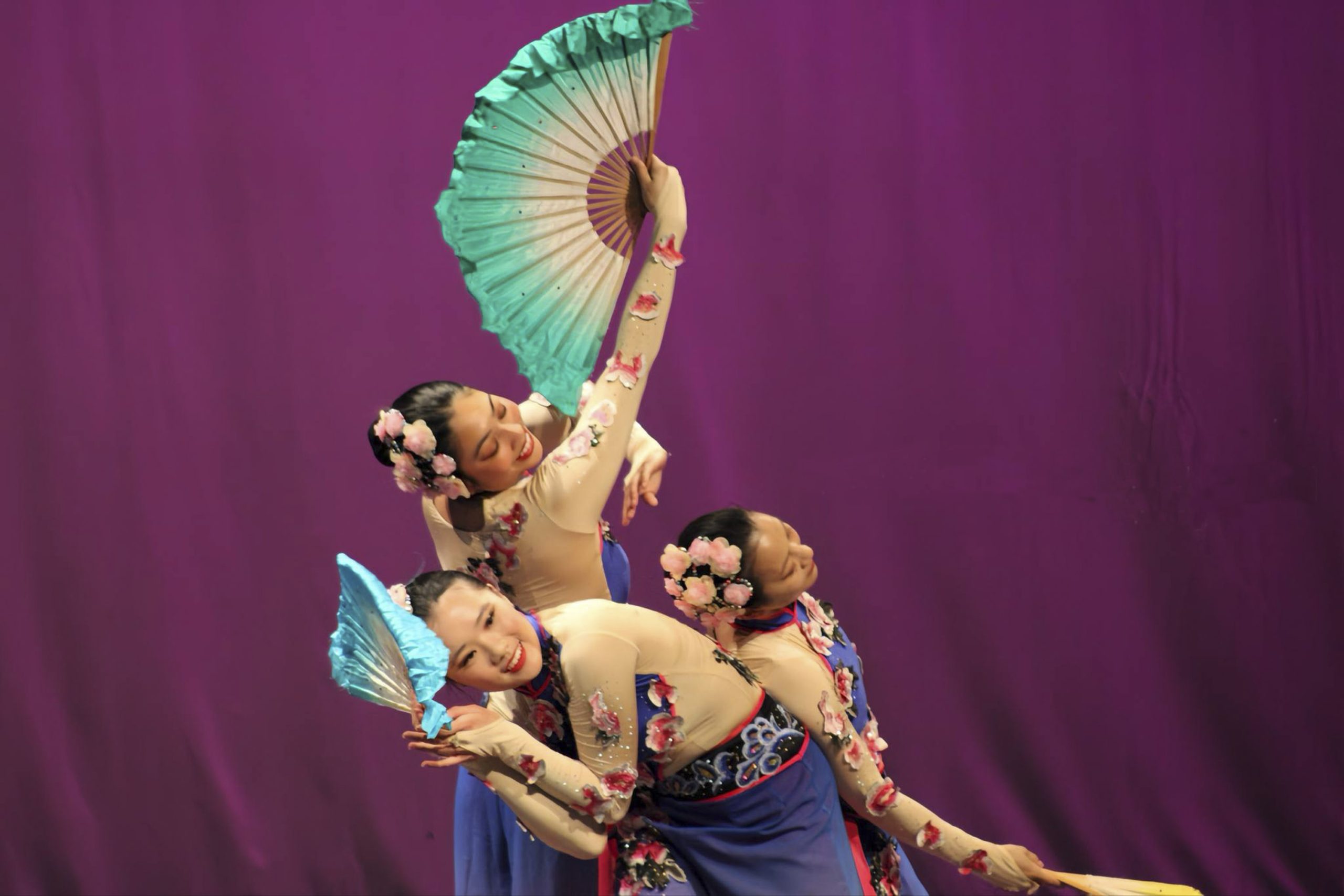
One recent afternoon, I had the pleasure of previewing Votes for Women, one of 19 dances included in the upcoming production Chinatown Memories. Produced by the Atlanta Chinese Dance Company and co-artistically directed by Hwee-Eng Lee and Kerry Lee in partnership with staibdance dancers Lilia Cardosi and Cailan Orn, this performance is designed to transport the audience to Chinatown with traditional dances and props, all while highlighting the role of Chinese American suffragists during the women’s suffrage movement.
Lee, co-artistic director, co-choreographer and featured dancer, spoke with ArtsATL about the performance. She shared that audiences can expect performances that explore how people from disparate backgrounds can work together to achieve a common goal, thereby making the world a better place.
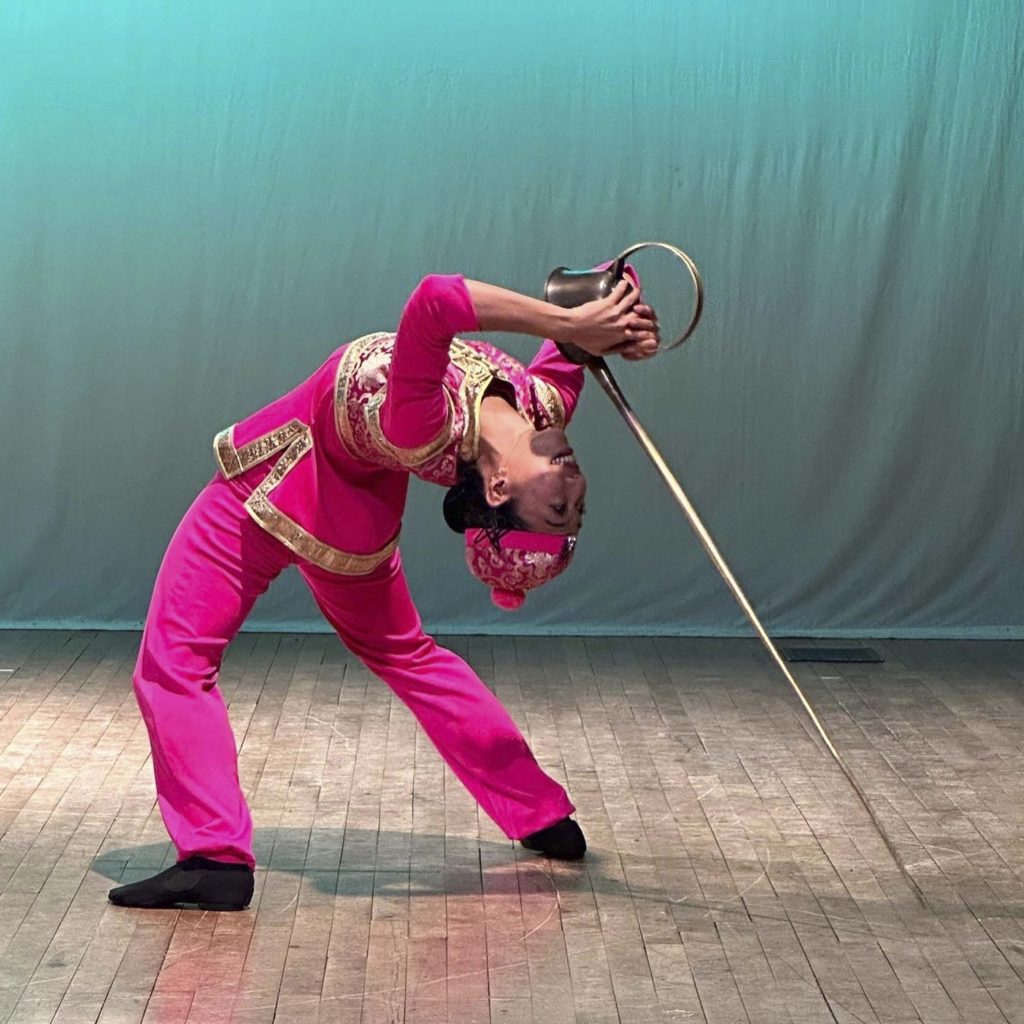
From the outset, I was drawn in by the musical score and noticed how it shifted from celebratory to somber in tone throughout the performance, enhancing the audience’s experience as they followed the narrative arc. The dancers furthered this effect through expressive dispositions and facial expressions that changed along with the music. Through carefully coordinated movement, their bodies came to form a variety of shapes, including a ship. The performers eloquently told their stories through formations, movements and a selection of props including horsewhips, lanterns and biandans, a type of bamboo carrying pole.
The performance also relied heavily on thoughtfully curated colors. Dancers in black emerged and seemed to terrorize the more brightly-dressed dancers and even the props themselves changed colors to further the storyline.
Lee shared that it was difficult to narrow down the options to two main props in the Votes for Women segment of the show because Chinese dance is such a broad art form. The horsewhip was chosen because in the 1912 New York City parade for suffrage, Chinese American suffragist Mabel Ping-Hua Lee, famously led the parade on horseback. That iconic image resonated with Lee. The horsewhip is traditionally used in Chinese opera to signify riding on horseback, so she incorporated that concept into the dance. Women’s suffrage parades often took place at night since women had to work during the day, so they would often carry lanterns. In the performance they change color to match the scenes; early on, they are red in honor of the Lunar New Year, and, by the latter part of the dance, they change to green to evoke the imagery of the Statue of Liberty and the collective freedom it represents.
The second act of Votes for Women included my favorite dance scene. I was captivated as I watched Cardosi and Orn dance, sometimes together, at other times mimicking one another. The two women are intrigued — one by what’s taking place in the present; the other preoccupied by what lies ahead.

Lee plays Mabel in the piece and says that she connected to her because she is also a proud Chinese American who shares the same goals of advocating for women and making our country a better place.
When Lee handed a couple of horsewhips to her co-dancers, it symbolized the way American suffragists learned from women in other countries how to gain the right for American women to vote. Mabel Ping-Hua Lee was only 15 at the time, but she gave a speech that so impressed other suffragists that it led to an invitation to work with them. For Kerry Lee, handing off horsewhips was her way of showing the Chinese contribution to the movement.
In the last segment of this scene, dancers walk slowly away from the audience to the back of the room, where they pose elegantly as an epilogue with information about the suffrage movement plays, paired with lanterns floating into the air. Given that it is currently Women’s History Month, this scene in the performance feels immensely powerful, and it made me proud to be a woman, though I know there’s more work to be done.
One standout moment of the production takes place when the Chinese dancers arrive in America by boat and pull up to the Statue of Liberty, the scene serving as a representation of the American dream. As a daughter of immigrants, Lee knows that before people come to this country, they hear a legend about what America is and what it represents. When they arrive in the United States, they realize that we are all working toward the American dream.
Chinatown Memories combines contemporary movements with traditional Chinese dance and props. Two performances will take place on Saturday, March 14, and Sunday, March 15, at Gas South Theater in Duluth. During the Sunday show, Georgia AAPI Hub will host a community panel to honor those who died in the March 16, 2021, Atlanta spa shooting.
Kerry Lee shared that the most rewarding part of working on this production was seeing it come alive, working with a diverse group of dancers from various cultures and walks of life and getting to dance with the two guest dancers. She told me she hopes the audience doesn’t leave with the impression it was a pretty performance but instead that they consider their vision for the future and how they can make it happen.
“Kind of like in the way these suffragists couldn’t vote and at that time it likely seemed inconceivable and took 100 years for women to get to vote,” she mused. “So what can we do that seems inconceivable now that maybe would make our country better in 100 years?”
::

Jhazzmyn Joiner (aka Jhazzy) is a writer, poet and creative spirit with a soft spot for storytelling that uplifts community voices. She’s the editor-in-chief of Three Panels Press and leads communications at L’Arche Atlanta. With a background in gerontology, media and making meaning out of everyday moments, her work lives at the intersection of art, equity and expression. A singer, traveler and lover of bold ideas, she’s often deep in a playlist, scribbling a poem or wandering an art show, dreaming up her next big project.
STAY UP TO DATE ON ALL THINGS ArtsATL
Subscribe to our free weekly e-newsletter.

PLEASE SUPPORT ARTSATL
Your Gift Sustains the Coverage You Count On!
Related Posts