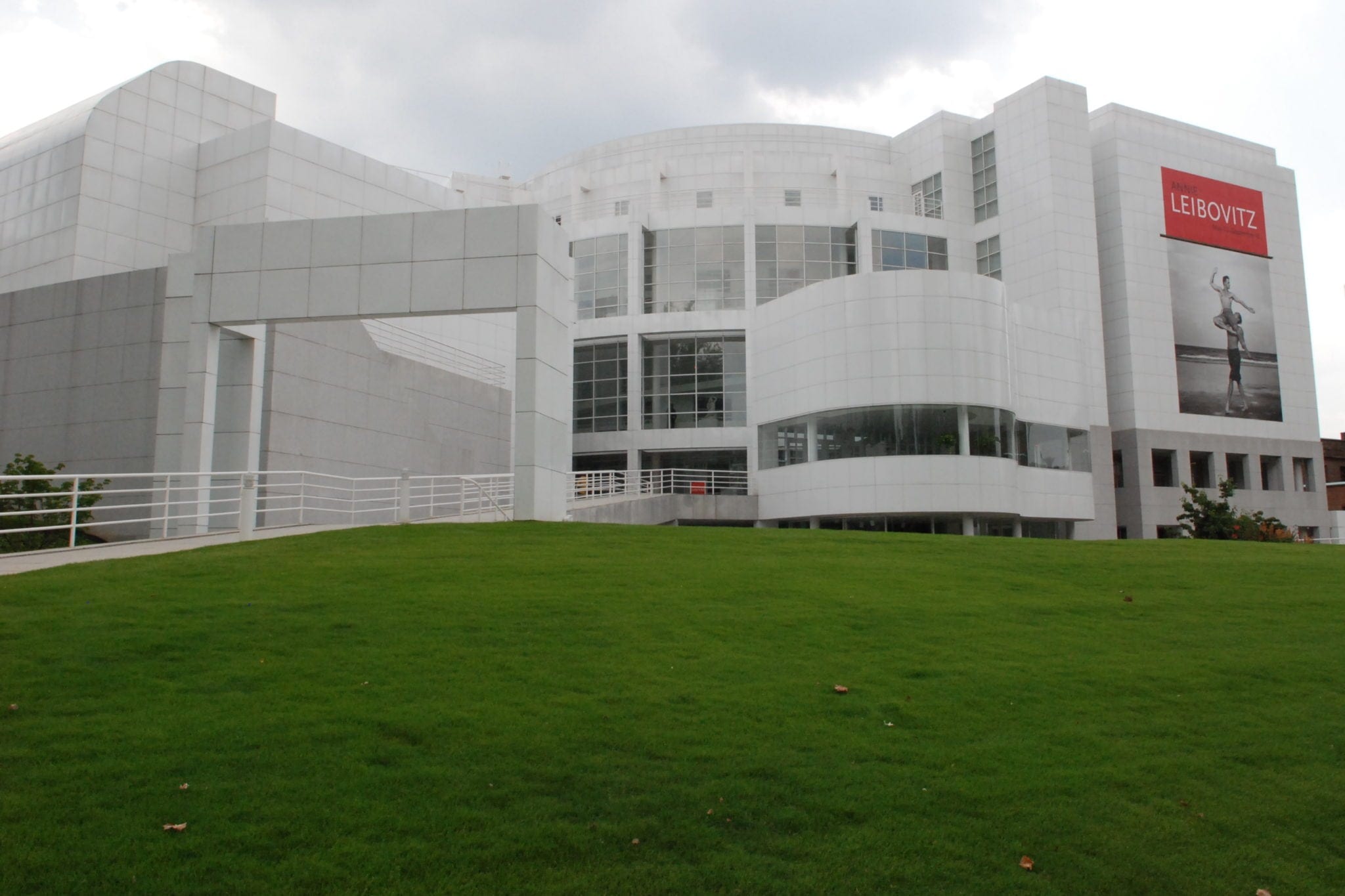
Former High Museum of Art COO charged in $600K theft headed for lengthy, negotiated resolution
Editor’s note: This is an update that adds more context to an ongoing court case that we initially reported on in March.
::
A passion for music and guitars has landed an Atlanta-based nonprofit executive in federal court.
Just a few months after an internal investigation at the High Museum of Art was referred to federal authorities, the case has entered a new phase. On April 14, federal prosecutors formally charged former Chief Operating Officer Brady Lum with a single count of theft from an entity receiving federal funds, alleging he stole more than $600,000 from the museum through a yearslong scheme involving falsified invoices and internal expense approvals.
Lum, 59, was arraigned in federal court in Atlanta, where he pleaded not guilty and was released on a $10,000 unsecured bond. He waived indictment, meaning the case will proceed based on the criminal information filed by prosecutors rather than a grand jury indictment.
Meg Strickler, a local attorney specializing in federal criminal defense, said these developments are typical at this stage and may indicate the direction the case could take.
“This is usually a sign that he will enter into a plea agreement within short order, depending on court calendars. Today the defendant got processed by the Marshall’s office, he entered a formal plea of not guilty and he received a bail recommendation and conditions. When you enter a plea of guilty, you do it in front of a district court judge; today was only in front of a magistrate. When I see the posture of the case and criminal investigation, I believe they will set this down for a plea very soon,” said Strickler when she spoke with ArtsATL directly following the arraingnment.
According to prosecutors, Lum used museum funds to purchase personal items including luxury guitars, music equipment, music lessons and woodworking tools. Charging documents allege he concealed the transactions by altering invoices, approving his own expenses and distributing costs across multiple budget lines to avoid detection. The allegations add a new layer of specificity to what had previously been described publicly as “financial irregularities” that were later determined by the Woodruff Arts Center to involve theft.
As part of his bond conditions, Lum must surrender his passport, remain in Georgia unless granted permission to travel and avoid contact with potential witnesses or victims. During the hearing, Lum told the court he is currently unemployed and was instructed by the judge to seek work while the case is pending.
His attorney, Don Samuel, said Lum is charged with a single count and declined to comment further. It should be noted that Samuel is one of the best federal criminal defense attorneys in the Southeast; he literally wrote the book on criminal defense for the 11th Circuit Court.
While the filing of charges marks a significant turning point, Strickler said the public should not expect a quick resolution. Federal white-collar cases often move slowly, with both prosecutors and defense attorneys now entering a period of evidence review and negotiation. This phase can last months or longer as each side evaluates the strength of the case and the likelihood of going to trial.
Although Lum has pleaded not guilty, that plea is procedural at this stage and can be changed later. The vast majority of federal criminal cases — more than 90% — are ultimately resolved through plea agreements rather than trials, according to a report from the American Bar Association. Only a small fraction of defendants proceed to trial and an even smaller percentage are acquitted. Because of that, cases like this are often shaped less by courtroom verdicts and more by negotiations between prosecutors and defense counsel.
Another factor is the nature of the charge itself. Theft involving an organization that receives federal funds allows federal prosecutors to bring the case, even if the alleged conduct occurred within a nonprofit institution. According to Strickler, because more than $550,000 had been stolen, Lum will likely face sentencing enhancements that could increase potential prison time. If a conviction occurs, sentencing would be influenced by federal guidelines that consider the amount of money involved, the method of concealment and the source of the funds.
Strickler added that outcomes can still vary depending on circumstances. If Lum were to repay the funds or present significant health issues, probation could be possible instead of prison time. The lowest potential sentence in this case would be 12 months and one day.
The allegations stand in stark contrast to Lum’s public profile when he joined the High Museum of Art in 2019. At the time, museum leadership praised his “collaborative, results-driven approach” and highlighted his background in corporate leadership and community engagement. Lum, who held an MBA from Harvard Business School and later pursued formal study in music, described himself as a “passionate lifelong musician.” Lum earned two master’s certificates from the Berklee College of Music, in guitar performance and music theory.
Prosecutors now allege that the same personal interest in music became part of the mechanism for the alleged fraud, with high-end instruments and lessons among the purchases disguised as museum expenses.
No future court date has been announced. For now, the case enters a quieter phase that will largely unfold outside of public view as attorneys review documents, interview witnesses and negotiate potential outcomes, including the possibility of a plea agreement. Whether this case ultimately ends in a plea agreement or proceeds to trial remains to be seen.
::

Matthew Terrell works as a writer, artist, filmmaker and educator in Atlanta.
STAY UP TO DATE ON ALL THINGS ArtsATL
Subscribe to our free weekly e-newsletter.

PLEASE SUPPORT ARTSATL
Your Gift Sustains the Coverage You Count On!
Related Posts