
Cornerstone Jazz Center: a pitch perfect addition to Atlanta’s jazz scene
Since Churchill Grounds closed in 2016 and the Velvet Note jazz club in Alpharetta has hit hard times, Atlanta jazz lovers haven’t had many options for live listening. Now saxophonist Will Scruggs and his Cornerstone Jazz Collective are drumming up excitement for a new club in Decatur.
::
The New York Times has described Atlanta as the “hip-hop center of gravity,” and the Atlanta Symphony Orchestra hasn’t done too badly for itself either (what with 27 Grammy wins), but jazz has struggled to come back to the Big Peach where it once thrived. That’s about to change, thanks to Atlanta-based jazz saxophonist Will Scruggs.
The musical educator and visionary recently announced plans for the Cornerstone Jazz Center in Decatur. “I want people to know we’re considering it more than a jazz club,” he said. “This is a jazz cultural center.”
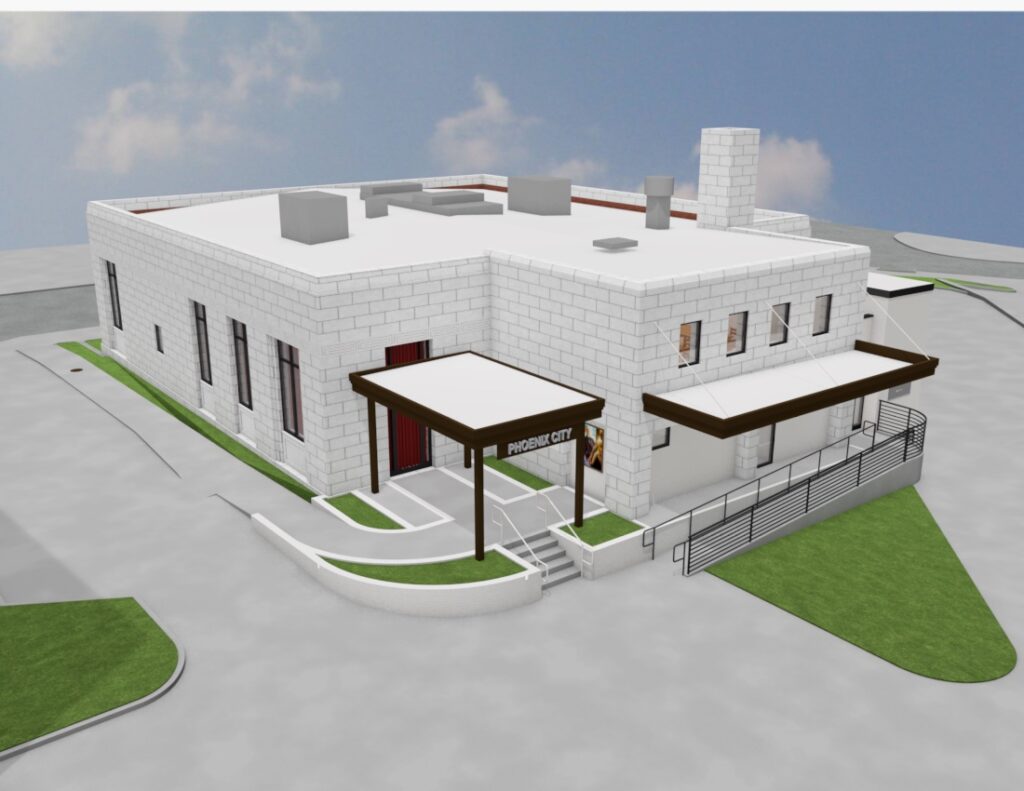
Scruggs, who founded the Cornerstone Jazz Collective in 2016, is a big player in the Atlanta jazz scene (recording with musical luminaries such as Natalie Cole), and in 2024 he acquired property at 141 Trinity Place. Built in 1935 as downtown Decatur’s post office and later operated as Greene’s Fine Foods, the beautiful Art Deco marble structure will transform, under Scruggs’ leadership, into a premier hub for jazz. We’re talking a multi-use facility featuring a performance space, music school, restaurant, instrument repair studio and a live recording space.
“I still get chills just realizing that we got this building,” said Scruggs about the old post office, which is listed on the National Register of Historic Places. “It’s going to really pair well with the classic jazz we’re going to present, highlighting some of jazz’s history in Georgia and the Southeast.”
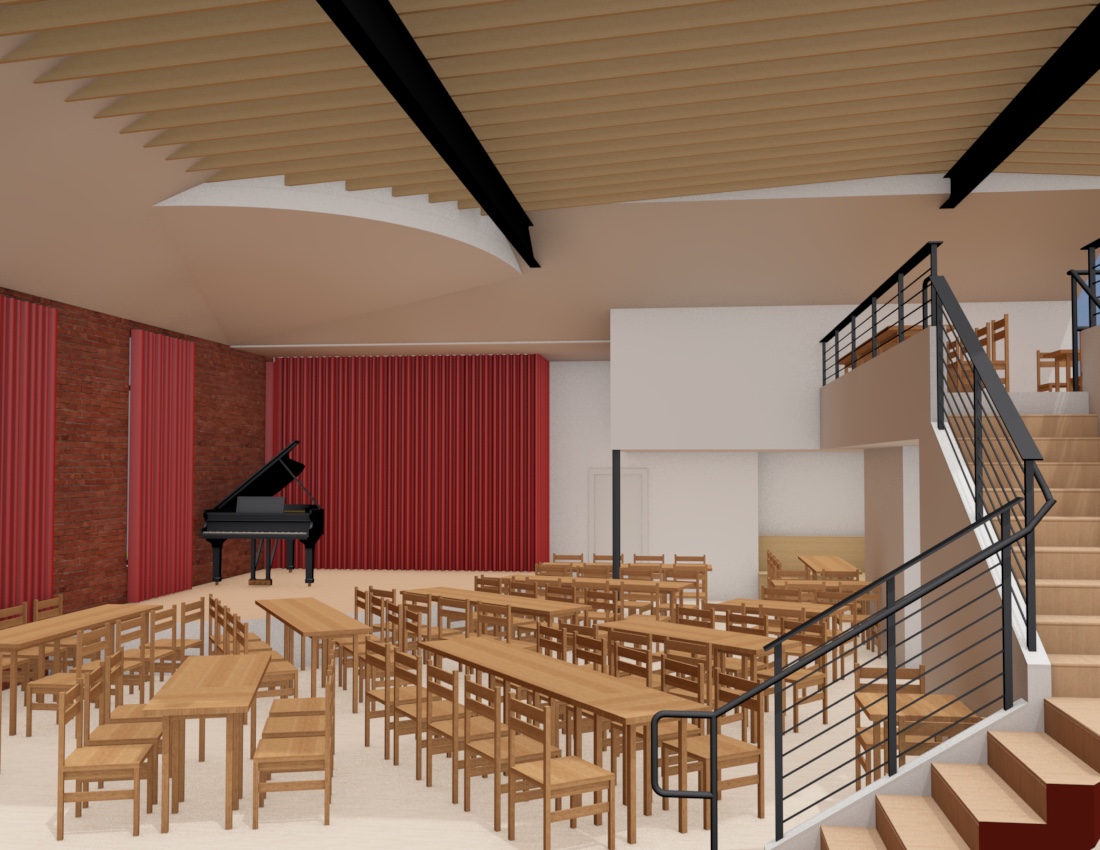
The plan for the marble-lined main level is to divide it between a top-notch restaurant and The Phoenix City Jazz Club (working name), a lavish performance hall with 140(ish) seats. The club will also have recording equipment on-site to live-stream shows and offer bands the option of live recordings. As for the basement, used as warehouse space when the building housed a grocery store, it will become a music shop, an instrument repair studio for woodwinds, brass and orchestra strings and an education center with nine private lesson rooms and a group classroom/rehearsal space.
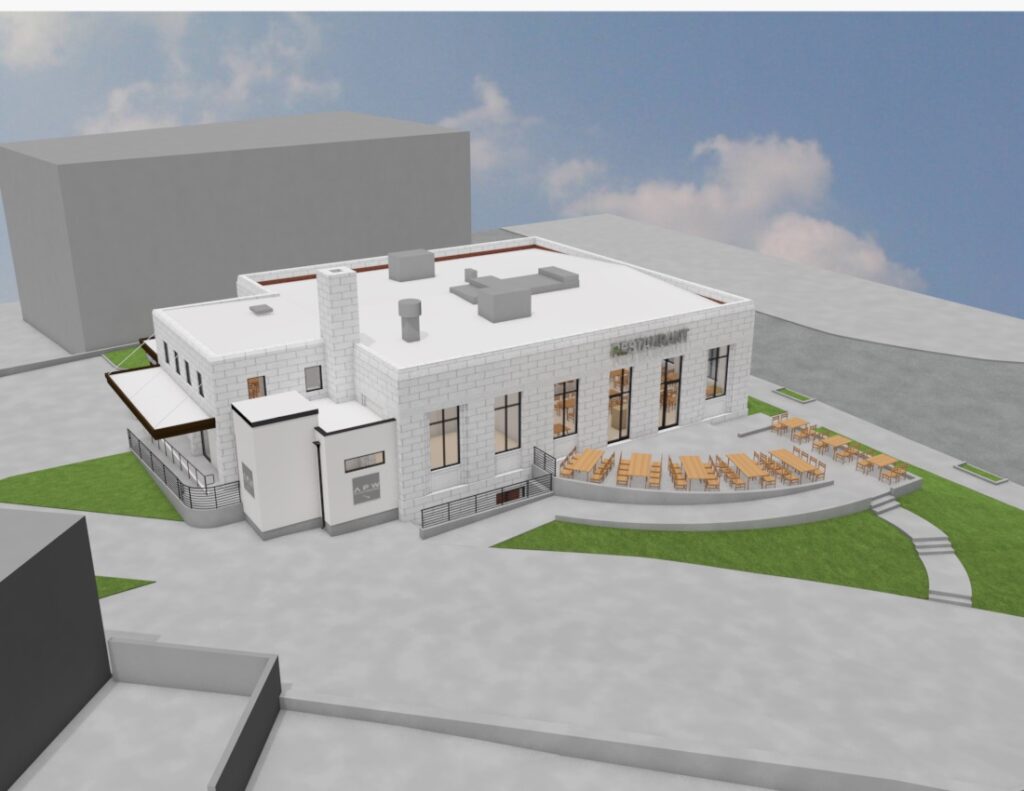
As for the historic structure, Scruggs says he doesn’t want to interfere too much with its charm. The biggest change will be adding an elevator to the basement, making it more accessible, and re-inventing the current side patio into a much more inviting and lush main entrance with two great windows becoming doors.
The center is scheduled to open by the end of 2025, and Scruggs can hardly contain his excitement talking about it. He just returned from New York City, where he’d been invited to participate in a panel on musicians creating venues for other musicians in the jazz industry. “There was a lot of excitement in New York because of how we’re going about this,” said Scruggs, referring to the grassroots support and funding of the Cornerstone Jazz Center. He calls it a “community-owned social enterprise” in which patrons purchase small shares in the future center. “No one has done a project quite the way we’re doing it. So there are eyes on us from all over the country, cheering and rooting for us because it could be a new funding model for other jazz organizations.”
::

Jeff Dingler is an Atlanta-based author and entertainer. A graduate of Skidmore College with an MFA in creative writing from Hollins University, he’s written for New York Magazine, The Washington Post, The New York Times, Tiny Love, Newsweek, WIRED, Salmagundi and Flash Fiction Magazine. More information at jeffdingler.org.
STAY UP TO DATE ON ALL THINGS ArtsATL
Subscribe to our free weekly e-newsletter.

