The uncompromising vision and enduring power of Kevin Cole
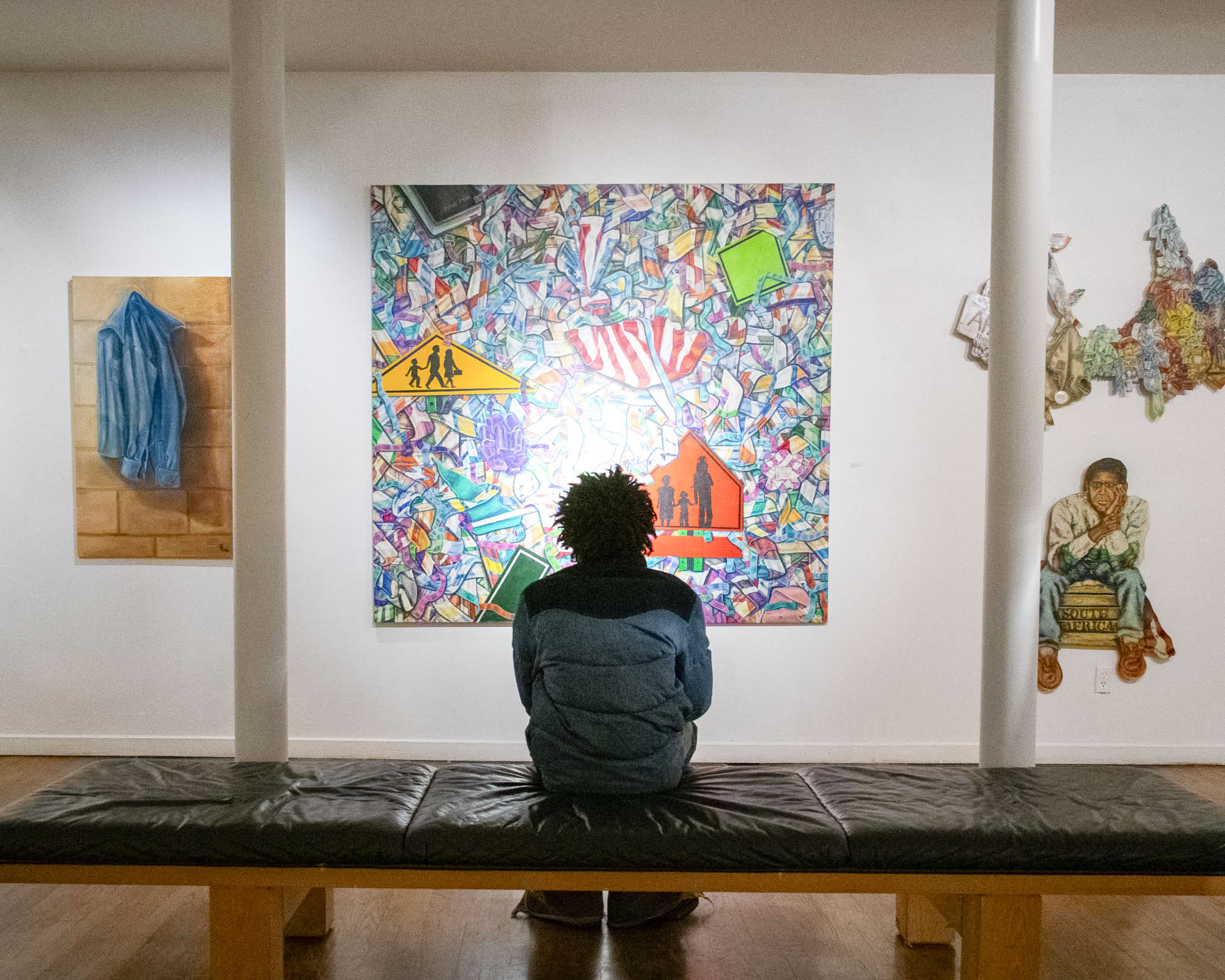
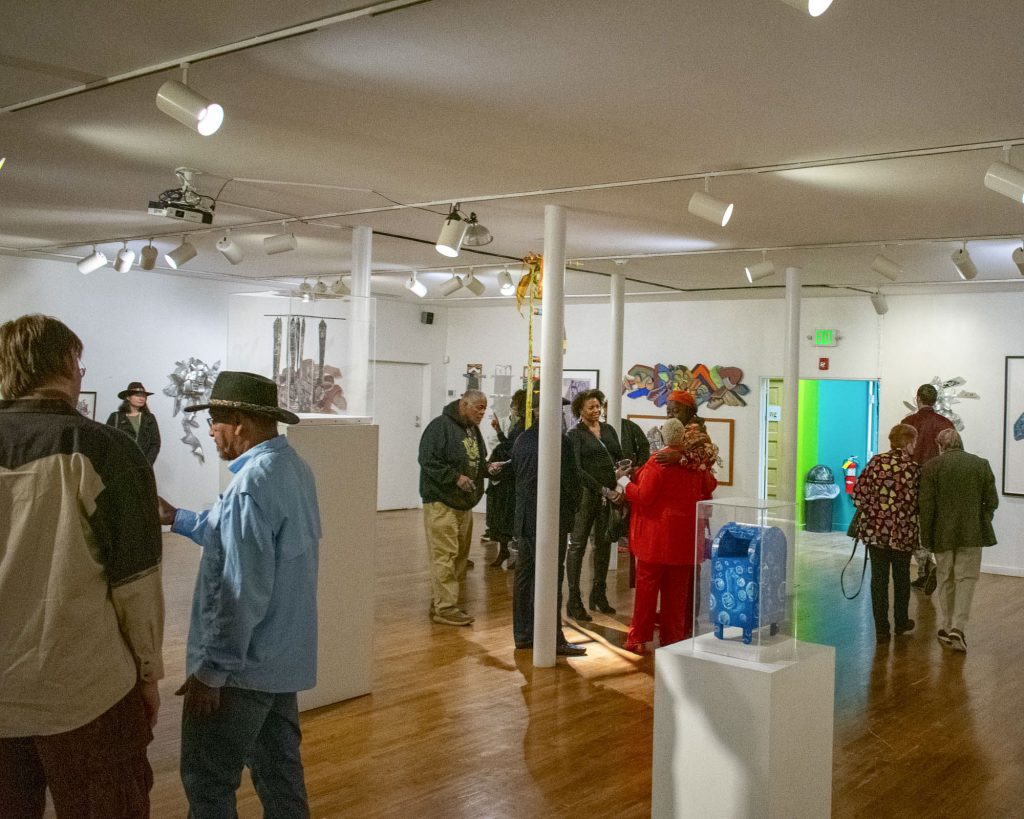
Retrospective art exhibitions serve an important role in honoring the contributions of artists who have had outsized longevity and impact. In many cases, an unfortunate byproduct of this function is that the exhibition becomes an archaeological expedition, in which distinctive periods of time are layered atop one another and punctuated by shifting and historically dated styles. Pushing Forward: Politics, Social Conflict and the Racial Divide in the Art of Kevin Cole, now on view at Chastain Arts Center & Gallery, stands in admirable opposition to this trend. This retrospective is not a collection of artifacts; it is a testament to a powerful and enduring artistic voice that remains relevant, urgent and contemporary.
The exhibition’s cohesion is a testament to an aesthetic vision that was — and here is proven to be — decades ahead of its time. Many of Cole’s works from the 1980s would still be among the more forward-looking pieces in any present-day group exhibition at other contemporary art spaces.
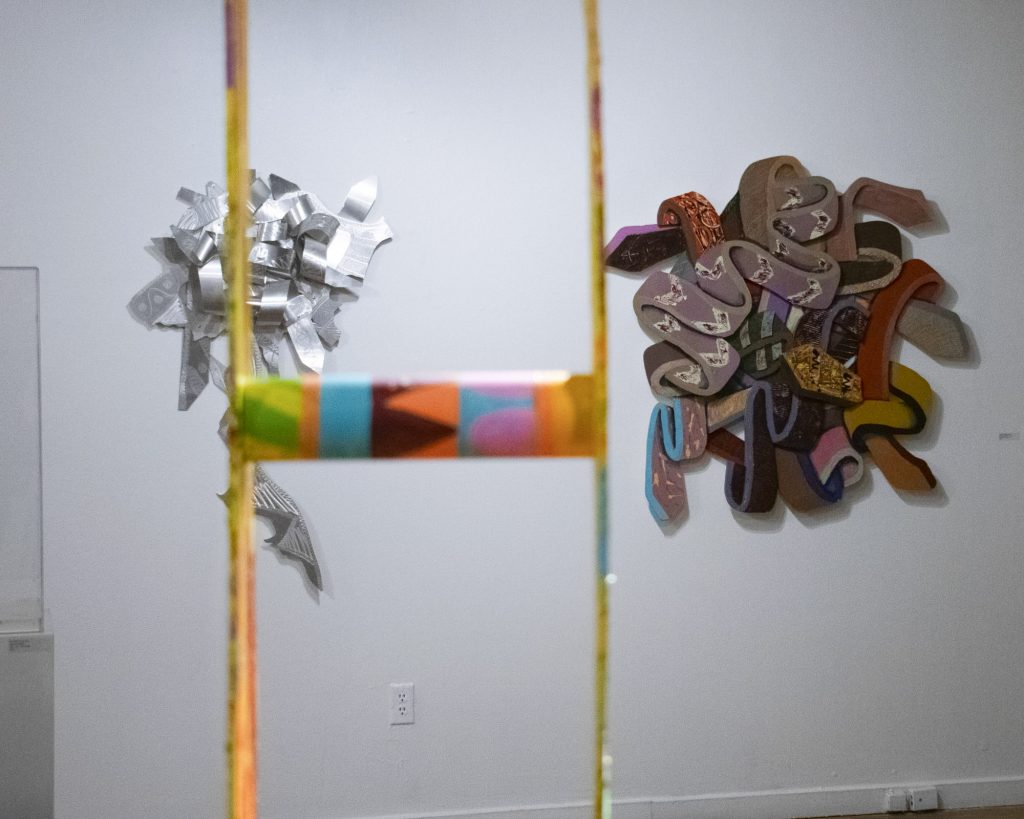
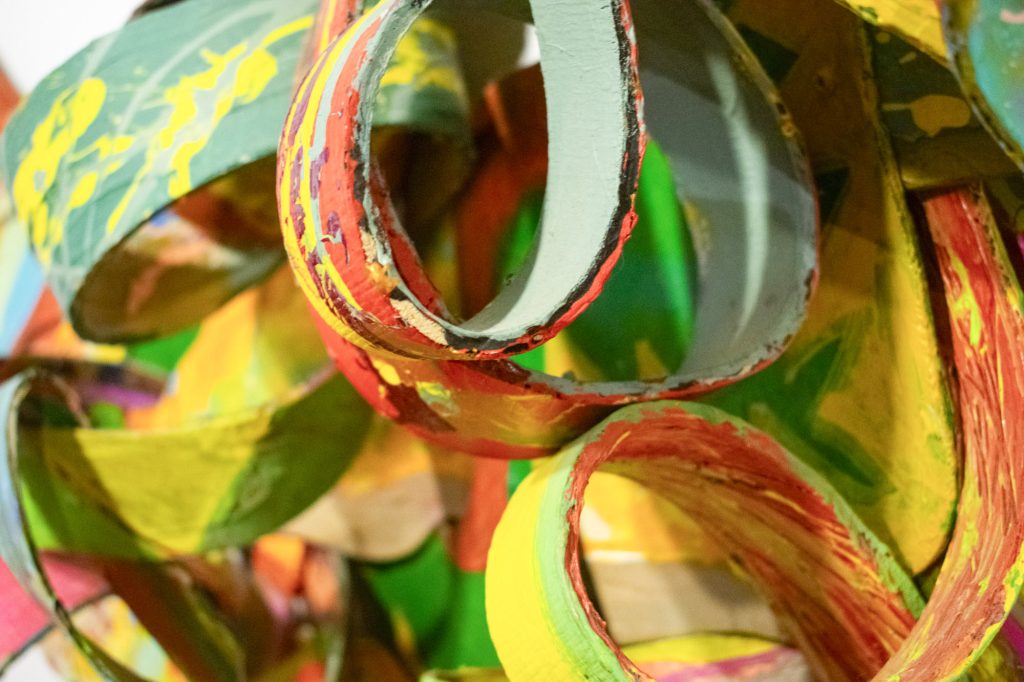

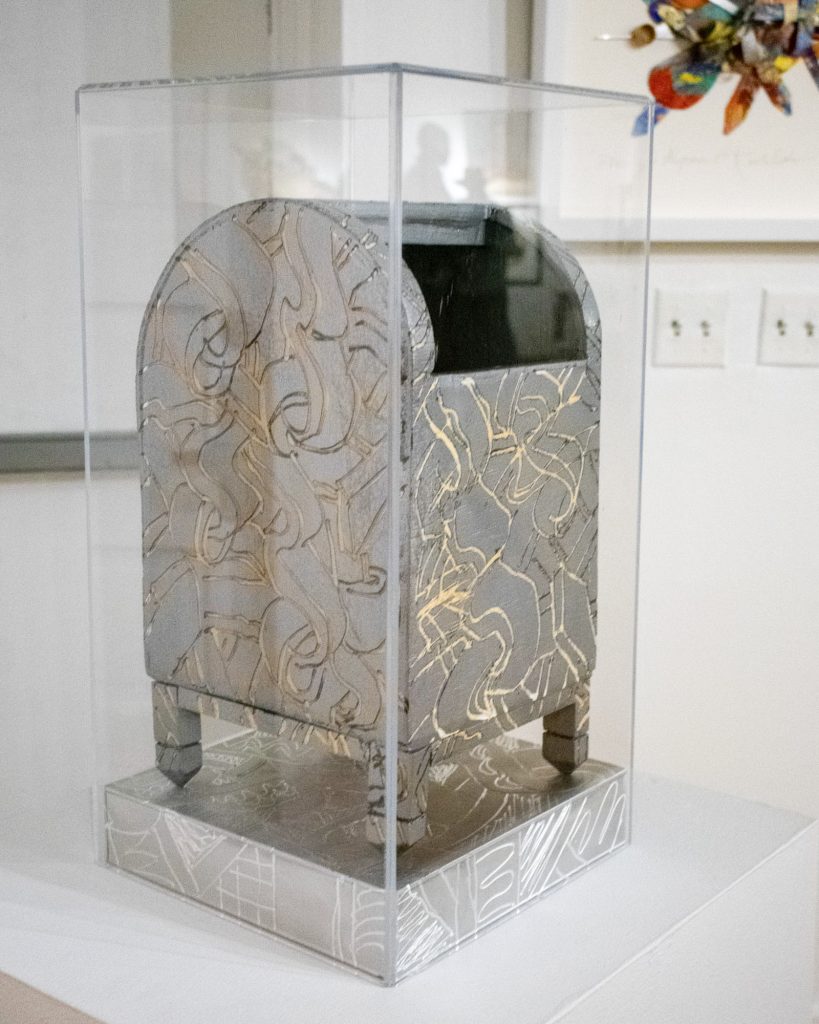
Ballot Box series
(2021) by Kevin Cole.


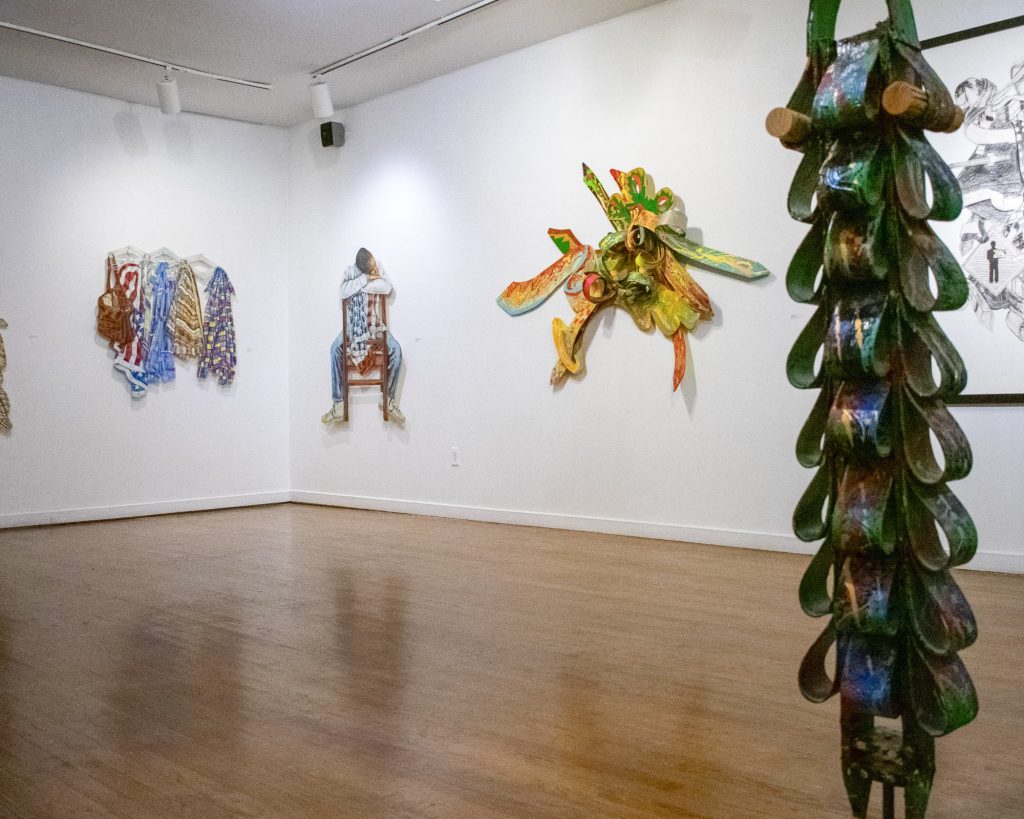
A good example of Cole’s progressive visual aesthetic is When Dreams Are Interrupted, created for his graduate thesis exhibition in 1984. In this piece, Cole has painted a pair of jeans and a collared shirt in bold detail onto a meticulously carved wood cutout which lends the piece an architectural dimensionality of floating away from the wall. The work is rendered such that the clothes appear to be draped over a repurposed white plastic hanger, which itself cleverly capitalizes on the space produced between the painting and the wall to create the illusion of suspension. This material ingenuity and experimentalism evidence Cole’s early (and perhaps innate) ability to work outside the commercially-driven expectations of canvas rectangles and advance a truly unique perspective that remains fresh 42 years later.
Where the historical nature of this exhibition becomes most perceptible is in its themes, which handle then-contemporary political topics, especially surrounding social conflict and race. For example, A Child’s View (c. 1986) references Jesse Jackson’s presidential campaign and Nelson Mandela’s incarceration. Across the gallery, But NOT Trayvon! (c. 2017), memorializes Trayvon Martin, who was murdered five years earlier.
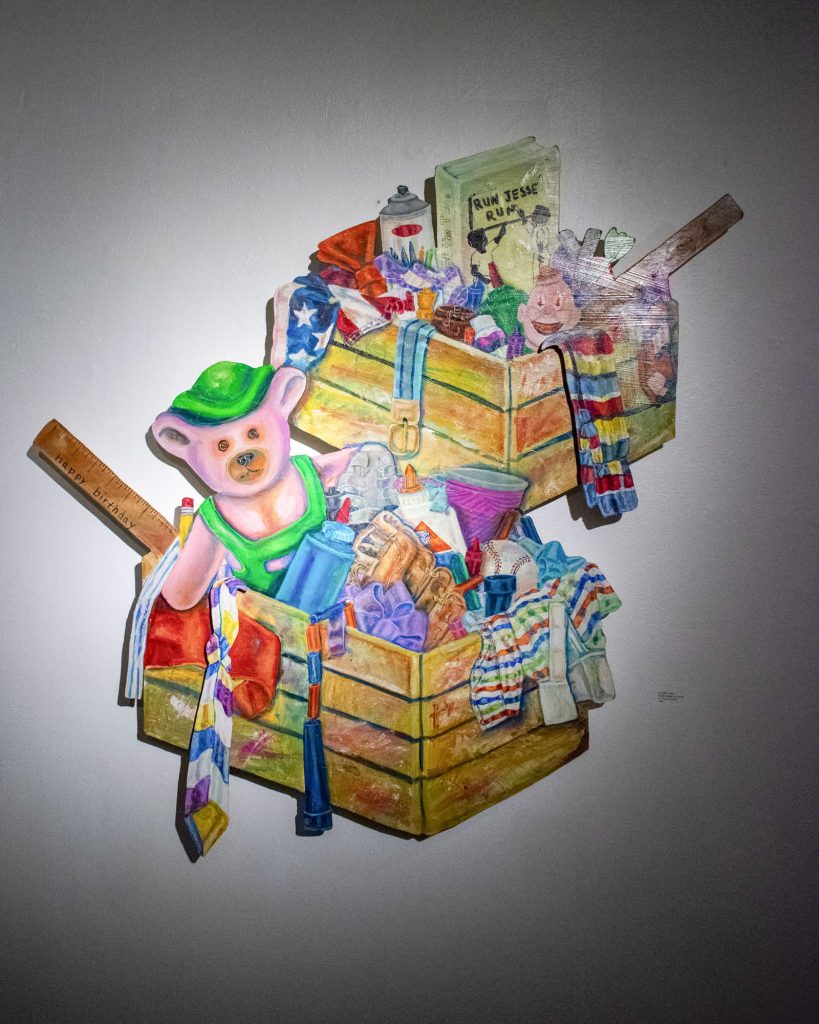
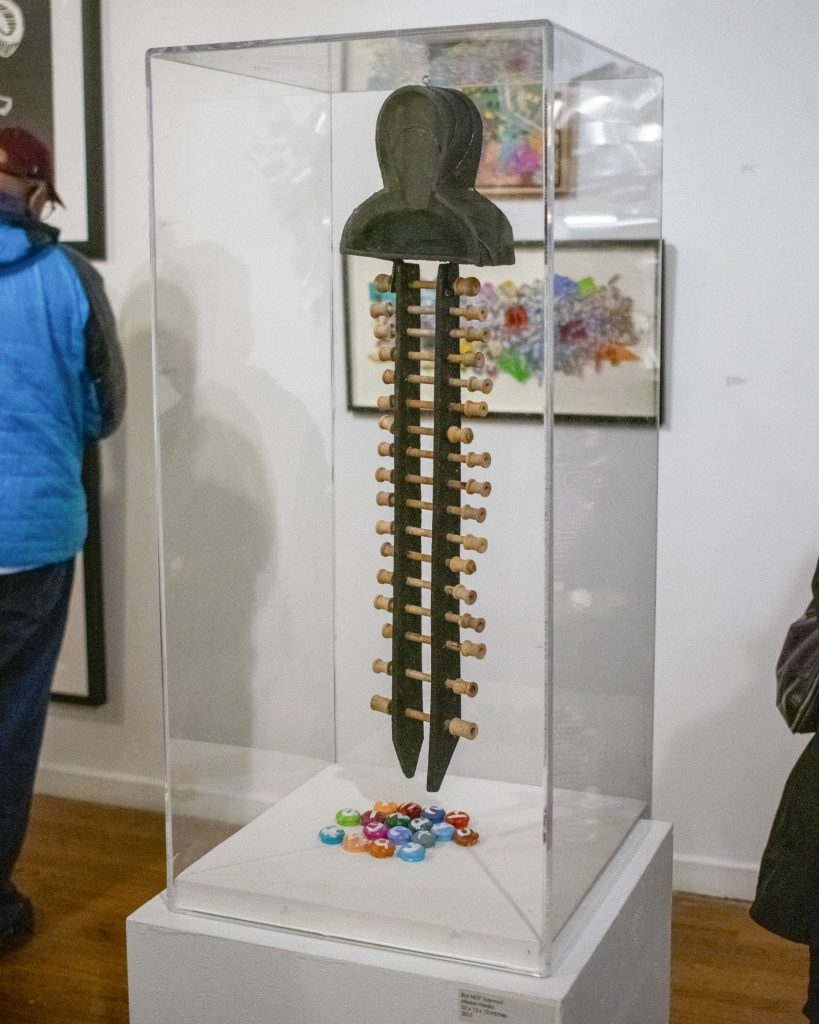
To be clear, that the events discussed are the singular element dating these works is not a disservice to the exhibition; it is a reminder that Kevin Cole has consistently and routinely used his artistic platform to advance social justice. While many pieces address continued injustices against the African diaspora, works like No, You Can’t Come Over (c. 2017), which depicts an abstract version of the border wall separating the United States and its neighbors in Mexico, and the works in his Along Colored Lines series, which comment on LGBTQIA+ discrimination, remind the viewer that Cole’s drive for justice extends beyond issues that affect him personally.
Importantly, it is precisely at the intersection of this exhibition’s aesthetics and themes that the remarkable power of Cole’s practice becomes most evident. Some artists who address themes of social justice sacrifice the aesthetic beauty of their work to make their message clear. Others use beauty to mask their message or otherwise render it muted and more digestible.
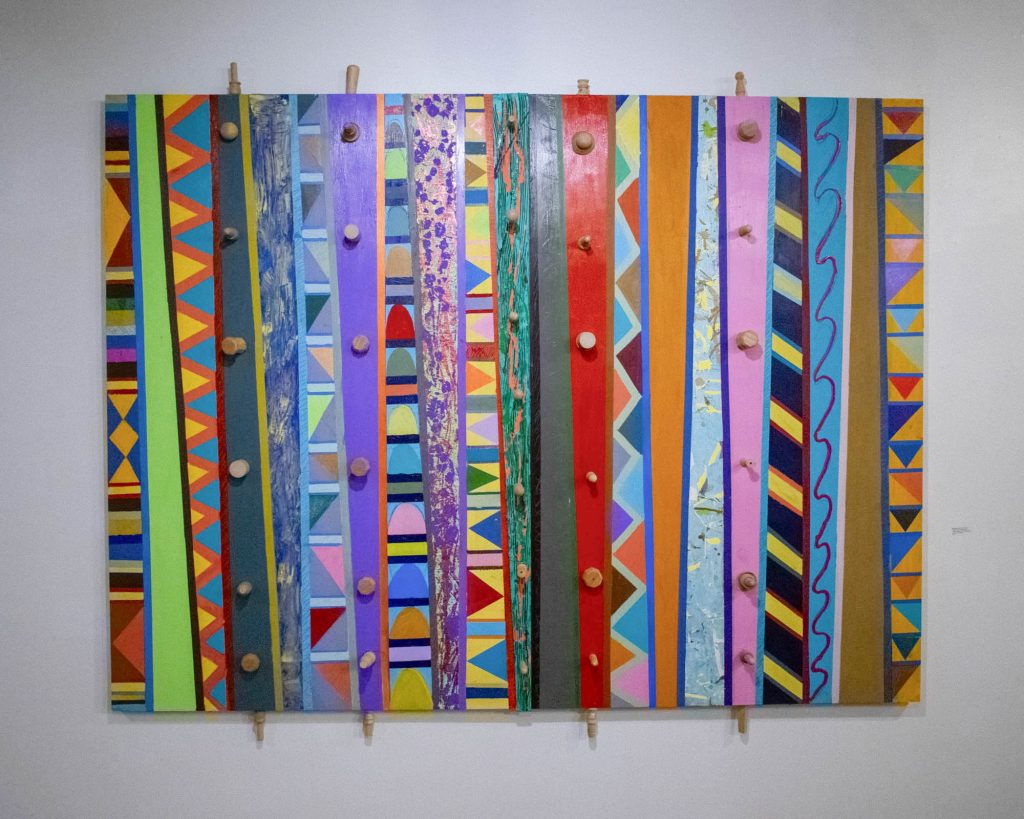
Cole makes neither compromise. His work is beautiful, thoughtfully composed and carefully crafted, yet his message is direct, unambiguous and unapologetic. This is not an easy balance, which perhaps is why Cole’s perspective feels distinctly refreshing even when peering 40-some odd years into the past.
Notably, this exhibition’s success is also curatorial in its skillful avoidance of the temptation to map the space in a chronological sequence. By mixing decades, the show highlights the seamless coherence and consistency of Cole’s overarching career. At the same time, that a nonchronological installation of nearly 50 years of work is even possible is to the credit of the artist himself.
This exhibition also underscores Cole’s status as a pillar of Atlanta’s art scene. Since arriving in College Park in 1985, Cole has woven himself into the region’s cultural fabric as both a creator and an educator. His tenure at Camp Creek Middle School and Georgia State University — during which he received more than 50 teaching awards — demonstrates a commitment to the next generation of artists that parallels his commitment to his studio practice. His vast body of monumental public works, including the 55-foot long Soul Ties That Matter installation at Hartsfield-Jackson International Airport, serves as physical manifestations of Cole’s lasting mark on Atlanta’s most cherished institutions.
When asked about the inspiration behind his work, Cole shared that he regularly reflects on Mayor Maynard Jackson’s question: “When I die, will it matter that I was ever born?” Although he humbly declined to answer himself, this exhibition undoubtedly highlights his enduring power as a creator who has spent his lifetime perfecting the art of fighting the good fight. Pushing Forward: Politics, Social Conflict and the Racial Divide in the Art of Kevin Cole is on view at Chastain Arts Center & Gallery until March 21.
::

Dr. Kevin M. Storer is a multidisciplinary computing researcher living, working and collecting art in Atlanta. His approach to art criticism and collecting prioritizes the discursive power of artistic practice over purely aesthetic qualities. This perspective is informed by his internationally-awarded scholarship on the complex relationships between people and the objects we create — especially as they shape our identities and social realities. Kevin earned his Ph.D. in informatics from the University of California, Irvine.
STAY UP TO DATE ON ALL THINGS ArtsATL
Subscribe to our free weekly e-newsletter.

PLEASE SUPPORT ARTSATL
Your Gift Sustains the Coverage You Count On!
Related Posts