Telling stories for dark times and celebrating survival at Out on Film
This year’s Out on Film Festival, with the theme “The World We’re Making,” offers 164 films over 10 days. Despite prevalent themes of repression and internalized homophobia, the Festival begins with the romantic comedy Before I Do.
::
Ask Festival Director Jim Farmer what his long-term goal for the 39-year-old Out On Film is, and you get the answer you’d probably hear from other leaders of events like his: “Survival.”
In a post-Covid world where only Spider-Man and Christopher Nolan get people to leave their small screens to experience, en masse, the communal ritual of moviegoing, it can seem harder than ever to put on a film festival.
This marks Farmer’s 18th year with OOF. “I probably have a couple of years left in me,” he says. “I’m also a writer, and it’s hard to juggle both jobs.” (A longtime ArtsATL reporter, Farmer has won national awards for his work covering film and theater for this and other publications.) Even so, he says the Festival “is just something I’m passionate about.”

Running for 10 days at Landmark Midtown Art Cinema, the Festival kicks off on the 24th with the opening-night romantic comedy Before I Do and ends on October 4 with Cannes Film Festival’s award-winning Spanish drama La Bola Negra. Filmmakers, actors and special guests will appear throughout the schedule, which includes screenings of 164 films.
“Our theme this year is ‘The World We’re Making,’” Farmer says. “It’s about the political climate that we’re in, with so much going on — so many rights being denied and discrimination. But despite that, we’re still here and using art to tell these stories.”
The programming, especially among the narrative features, reflects the dark times. “The lineup is amazing, but it’s a heavier lineup than we usually do,” he says. Perhaps dark times make something like OOF even more important.
“What we always love about Out On Film is that it brings community together. I use this expression a lot, but we provide safe haven for people to come together and watch these films. A lot of people come from around the state and the Southeast, and we even have international visitors.”
Festivalgoers benefit from a year-long process of organizing and film curation. For 2026, Festival screeners had around 1,400 films under consideration to winnow down to that final 164. “For me, it is literally agonizing. My board screams to me every year, ‘You can’t add any more films! You can’t add screenings at 2 a.m.!’” Farmer says. “We want to show the best films we can. We also want to show films that move people and bring them together — and that people might never be able to see anywhere else. Some of these small films kind of disappear.”
Some go on to greater recognition. An Academy Award-qualifying Festival for narrative shorts, OOF saw one of its films, the surreal French entry Two People Exchanging Saliva, won the live-action short Oscar at this year’s ceremony (co-winning with The Singers in a rare Academy tie).
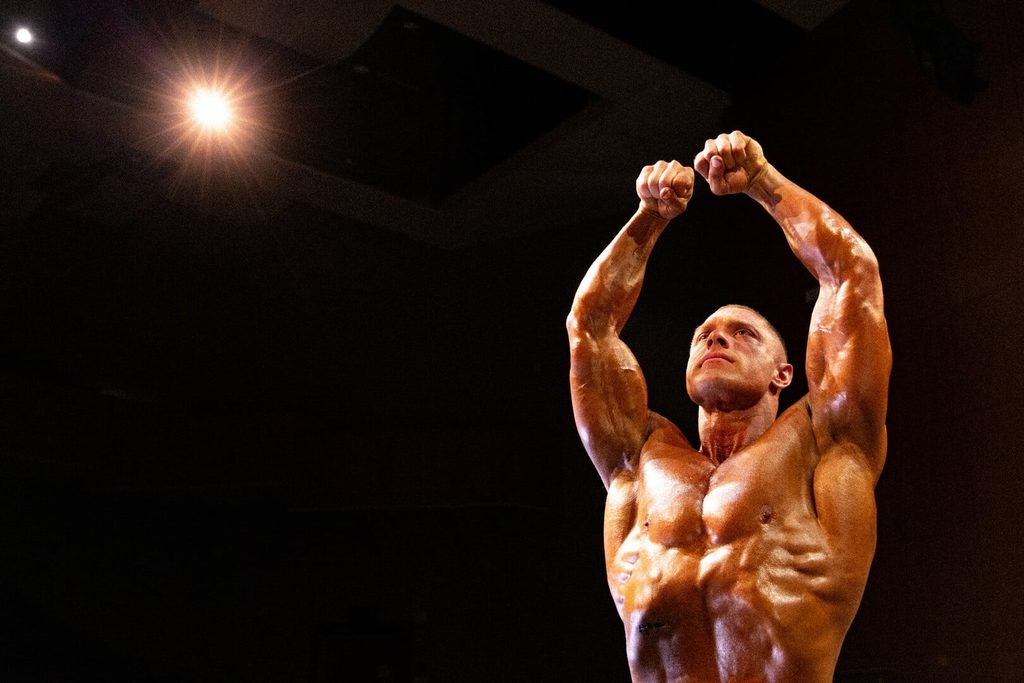
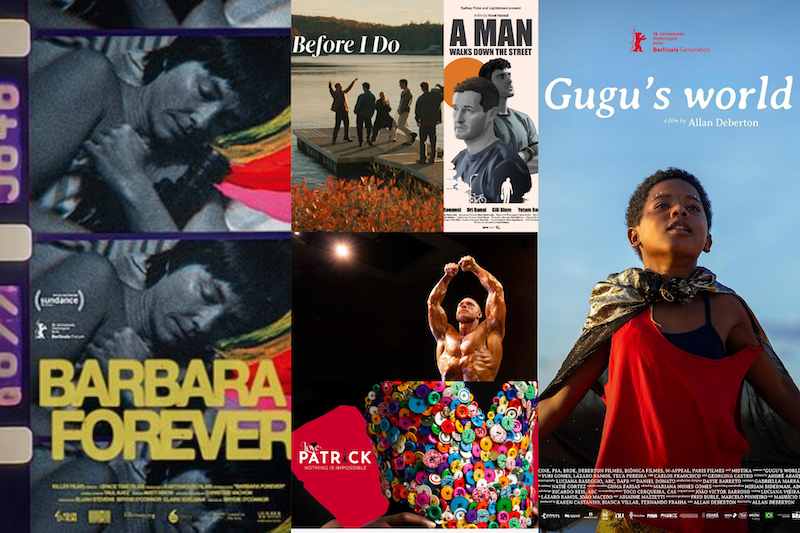
As I previewed some of this year’s narrative features, a theme that kept coming up was internalized homophobia, perhaps reflecting the repressive, get-back-in-the-closet vibe of our current era. It’s a strong element in two very good films I didn’t have time to write longer on: Israel’s A Man Walks Down the Street, about a middle-aged fellow wrestling with mistakes he made as a young man, and the U.S. drama Test, about an Ohio athlete (a star-making performance by Brock Yurich) coming to terms with his sexuality in the world of competitive bodybuilding.
Here are quick takes on some of the other films I had the pleasure of watching in advance. For complete information on the Festival: outonfilm.org.

Barbara Forever. In the first half of Brydie O’Connor’s documentary, filmmaker Barbara Hammer comes off as a girl-hungry narcissist, aiming her camera at the succession of topless lovers she racked up after divorcing her husband and hearing the word “lesbian” for the first time at age 30. When she complains that museums are overlooking her work, it’s easy to say, Yeah, but those are just horny home movies. But the doc shows how Hammer’s artistry deepened. By the end, you appreciate Hammer’s doggedness and the early works for the power of their brashness. Their declaration — especially important for women then — “We are here.”
Give Me the Ball! When I was a kid, Billie Jean King was everywhere on TV and in headlines. This film shows the stamina and sacrifice it took for the tennis star to have all eyes on her, even while she was trying to understand her own identity. She fought to get women athletes paid on par with men, deal with a “galimony” lawsuit from a bitter girlfriend, get a divorce and change society. “Oh, yeah — I’ve got to play tennis, too,” she says to the camera. Liz Garbus and Elizabeth Wolff’s excellent documentary is a window on a dazzling talent and social force and a time when our country seemed to be moving only ahead, not backward.
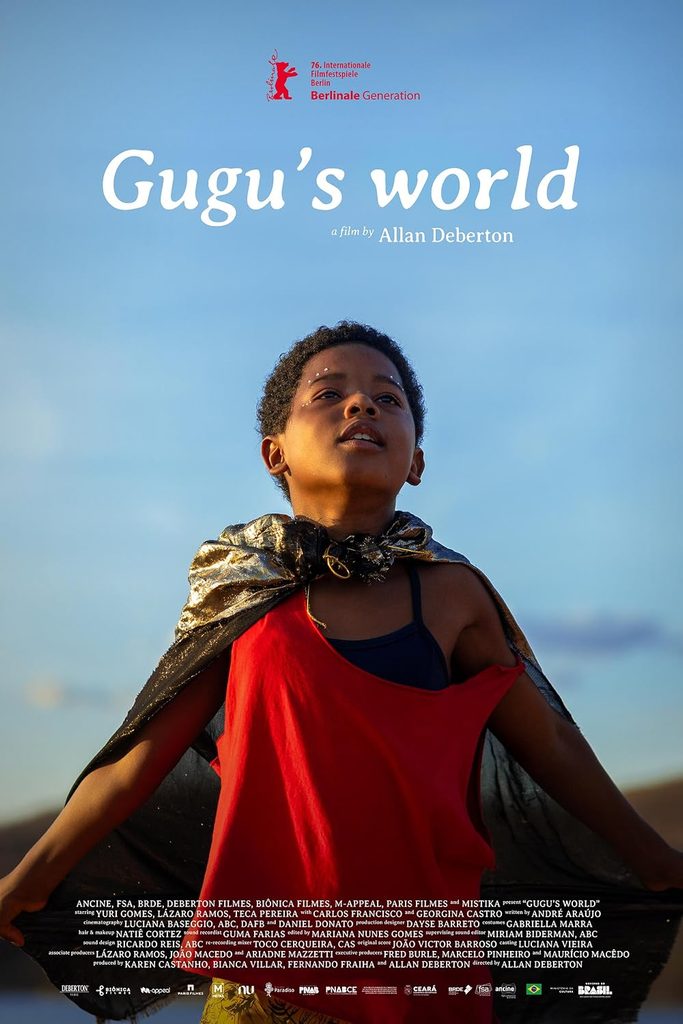
Gugu’s World. Sure, 11-year-old Brazilian kid Gugu (Yuri Gomes) likes to wear makeup and dresses sometimes, but he’s also the best player on the local kids’ soccer team. That dusty patch of earth and a desolate lake that figured in his mom’s death contrast with the warm, colorful palette director Allan Deberton uses to depict Gugu’s home life. He lives with doting grandma Dilma (Teca Pereira). But when her memory starts to crash, it seems inevitable that Gugu will have to live with his disappointed father, who balks at his boy’s girliness. Generous toward all its characters, it’s a warmhearted film that ends, like life, on an unresolved note.
In a Whisper. Writer-director Leyla Bouzid’s terrific film kicks off with one of many compromises that shadow the drama. Flying to Tunisia from Paris for her uncle’s funeral, Lillia (Eya Bouteraa) drops off her French girlfriend at a hotel and returns to the closet of her family home. That her uncle was himself closeted and died in mysterious circumstances inspires Lillia to become a kind of detective while risking the censure of her own homophobic mother (the fierce, fine Hiam Abbass). Whisper is a mature, sensitive reminder that there remain too many places in the world where personal freedom is not a given, and daily life, even in the bosom of family, can be a minefield.
Love, Patrick: Nothing Is Impossible. Though he once lived in Atlanta, I knew nothing about Mississippi-born Black fashion designer Patrick Kelly, the first American inducted into France’s elite Chambre Syndicale du Prêt-à-Porter. The filmmaking Horne Brothers (disclosure: Ryon Horne was a colleague of mine back at the AJC) fill in the forgotten story. Charismatic, pumping color (and Southern charm) into the monochromatic Paris fashion scene, Kelly was on a spectacular rise but was a bright light snuffed out by AIDS in 1990, at age 35. The film restores his memory through interviews with those who worked with him and those who wish they could have. It ends with a beautiful, accidental coda when a young, aspiring designer from the States arrives at Kelly’s Père Lachaise grave to pay tribute.
Maspalomas. With dyed hair that fools no one, 76-year-old Vicente can still stroll the cruising dunes of the Canary Islands and get lucky with a younger man. A stroke ends his carefree retirement, though. The estranged daughter he had decades ago puts him in a retirement home, and director/co-writer José Mari Goenaga’s drama touches on the terrifying reality LGBTQ+ elders might face in the same situation. Vicente himself relapses into the closet and his own internalized homophobia. But the generous script and José Ramón Soroiz’s powerful performance steer us safely forward, showing that connection and self-awareness can come at unlikely places and times.
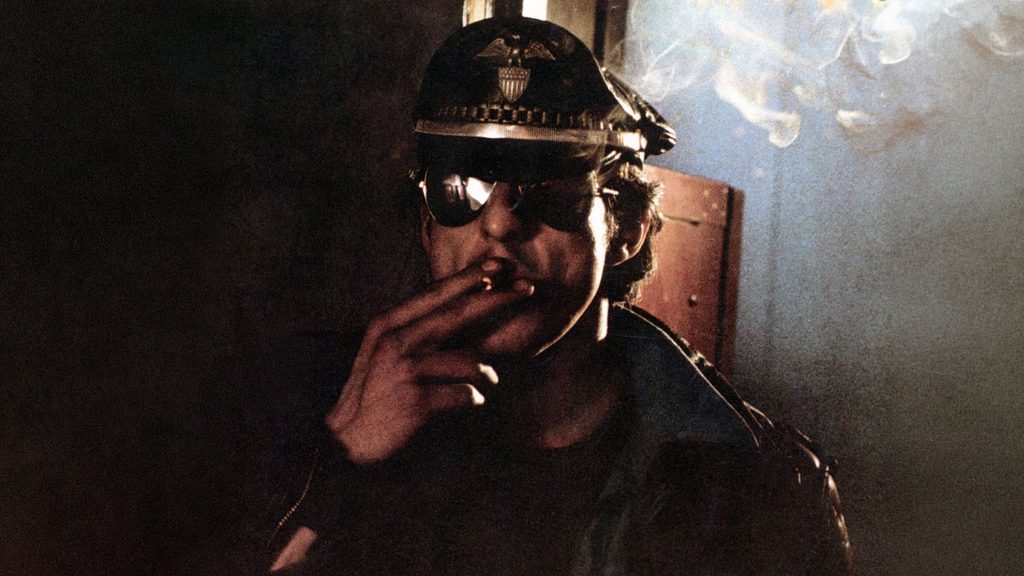
Mineshaft: The Cruising Murders. Learning that an extra in his film was linked to a New York murder led The Exorcist director William Friedkin to concoct Cruising, a 1980 Al Pacino melodrama about a gay serial killer that became a community flashpoint far more powerful than the muddled film itself. Jeffrey Schwarz’s documentary will appeal equally to fans of LGBTQ history and to film buffs in its telling of that story. The doc is a bittersweet time capsule capturing the sexual liberties of the late 1970s and the early organizing skills that would soon become vital when the faceless, epidemic killer of the 1980s arrived.
My Brother’s Killer. Rachel Mason’s documentary is a little rough around the edges, but it solves a fascinating cold case. For three decades, the gruesome murder of adult film actor Billy London stayed unsolved — partly, the movie shows, because of one simple fact: Many potential witnesses also worked in the porn industry and used more than one name, confusing investigators. (London’s offscreen name was William Newton.) After finally ID’ing Billy’s killer, the film draws an eerie, mirror-image portrait of two gay men, both born in the heartland, both rejected by their families, both finding work in the porn industry. One of them tried to overcome life’s hard knocks. The other channeled his self-hatred into murder.
No Rest for the Wicked. Both mother and adult son are drawn to the handsome Danish sailor (Pilou Asbæk, A Hijacking) who arrives in their small, 19th-century Faroe Islands community. But it’s the son (Egor Venned, model-handsome and blank) the older man falls for. When tragedy befalls one of the men, director/co-writer Kasper Kalle turns the romance into an erotic horror fable that crosses genres in ways that can please more than one audience. The remote, rustic setting makes it a nice companion piece to Trial of Hein.
On the Road. Grimy, despairing, brutal and deeply romantic, it’s got nothing to do with the Jack Kerouac book. Writer-director David Pablos (Netflix’s Dance of the Forty-One) gives us the story of long-haul trucker Muñeco (Osvaldo Sanchez), who picks up more than he bargained for in Veneno (Victor Prieto Simental). He’s a young grifter selling coke at truck stops, risking the wrath of the cartels who control the drug trade. He also sells his body, having been groomed at a sort of boy-toy hacienda owned by a cocaine magnate. Muñeco and Veneno form a father-son-like bond that also becomes sexual. It’s complicated. And it’s one of the best films at OOF.
Trial of Hein. Returning to the conservative island community he left 15 years ago (for a secret you can guess), Hein (Paul Boche) is recognized by no one, even the neighbor boy (Philip Froissant) who was more than just a friend. So the townsfolk (led by a judge played by Julika Jenkins of the Netflix series Dark) conduct an absurdist, multiday trial to let him prove he’s who he says he is. Writer-director Kai Stänicke uses Brechtian elements that recall Lars von Trier’s Dogville. The islanders’ houses are open to the elements, like stage sets. It makes sense for a culture that refuses to allow its citizens any sort of private life. The long film overstays its welcome by a few minutes, but it’s a compelling allegory.
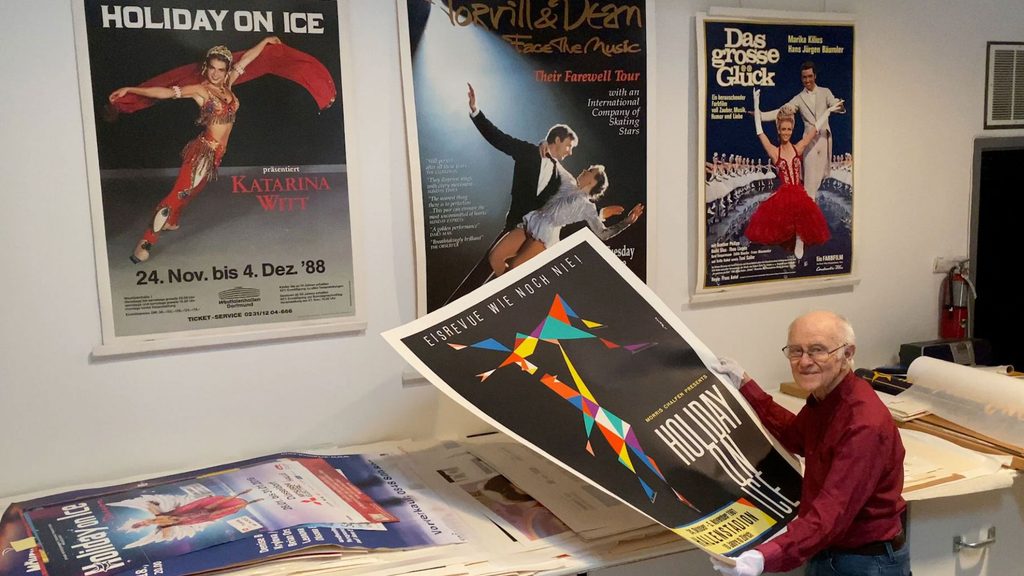
Uncle Roy. You understand why filmmaker Keri Pickett wants to make a documentary about her uncle, Roy Blakey. At 93, he’s had a life. He was an Army photographer in World War II, toured Europe as a pro ice skater, then returned to New York and became a studio photographer of gay men. His stunning artistic nudes were published as a milestone coffee table book. (The 1970s photos we see, featuring models with pre-steroid, unshaven bodies, make the movie a bittersweet time capsule — like Mineshaft.) As she documents his life, Pickett faces the ticking clock of Roy’s failing health and dementia, giving her film an extra layer of poignancy.
::

Steve Murray is an award-winning journalist and playwright who has covered the arts as a reporter and critic for many years. Catch up on Steve’s monthly Steve on TV columns here.
STAY UP TO DATE ON ALL THINGS ArtsATL
Subscribe to our free weekly e-newsletter.

PLEASE SUPPORT ARTSATL
Your Gift Sustains the Coverage You Count On!
Related Posts