
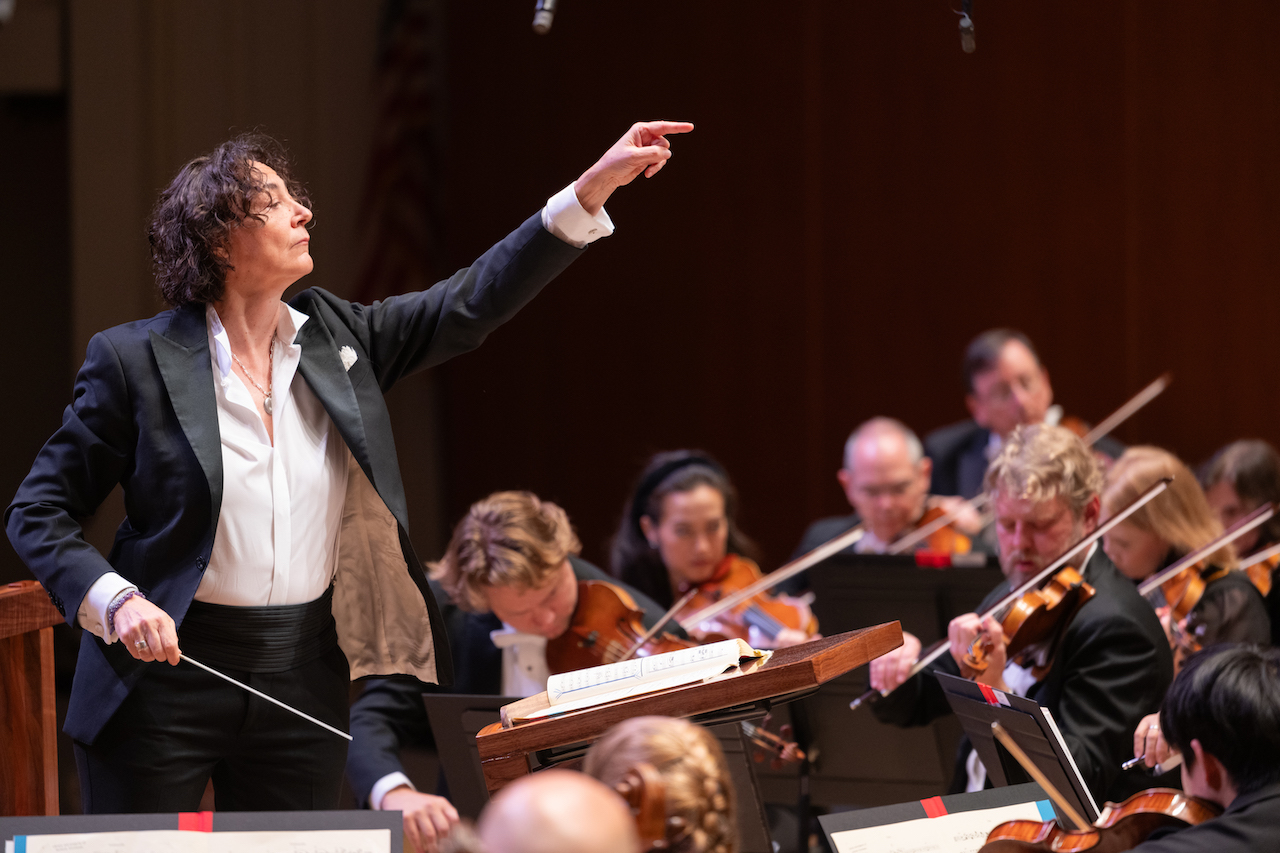
Review: Atlanta Symphony’s Mozart night closes on a high note
The Atlanta Symphony Orchestra has been plugging away at a season marked by high ambitions and middling results. Its November 7 concert split the difference with an evening of Mozart that started under par and soared to satisfying heights in the second half.
The evening commenced with Symphony No. 40 in G minor, K. 550. The work bears the distinction of being one of only two symphonies Mozart wrote in a minor key (the other being No. 25, also in G minor.) The result is a brooding re-imagining of the composer’s trademark playful whimsy.
The symphony’s opening allegro is one of those classical themes so inextricably linked with popular culture that most people will recognize it even if they aren’t followers of the genre. That familiarity comes with certain expectations that limit the potential for satisfying interpretation. So when the orchestra launched into the molto allegro with a much softer touch than expected, it served to blunt the piece’s overall impact. Yes, the piece begins in the pianissimo range, but even the bold jumps to forte felt unduly restrained.
The third movement, “Menuetto: Allegretto,” was infused with sudden vigor, and the orchestra seemed to finally bolt into action after two soporific segments. At last the symphony didn’t seem distant and hazy, and Mozart’s rich command of tonal dynamics was on full display. Conductor Nathalie Stutzmann seemed to perk up at this point, too.
As the season unfolds, it becomes increasingly clear that this decision by the ASO to start soft and gradually ramp up throughout the night is hampering its recent performances. Sometimes it’s a deliberate programming decision — as in the choice by guest conductor Roderick Cox to open with Samuel Barber’s Adagio for Strings — but at other times it seems to stem from some sort of internal lack of enthusiasm, as was the case tonight.
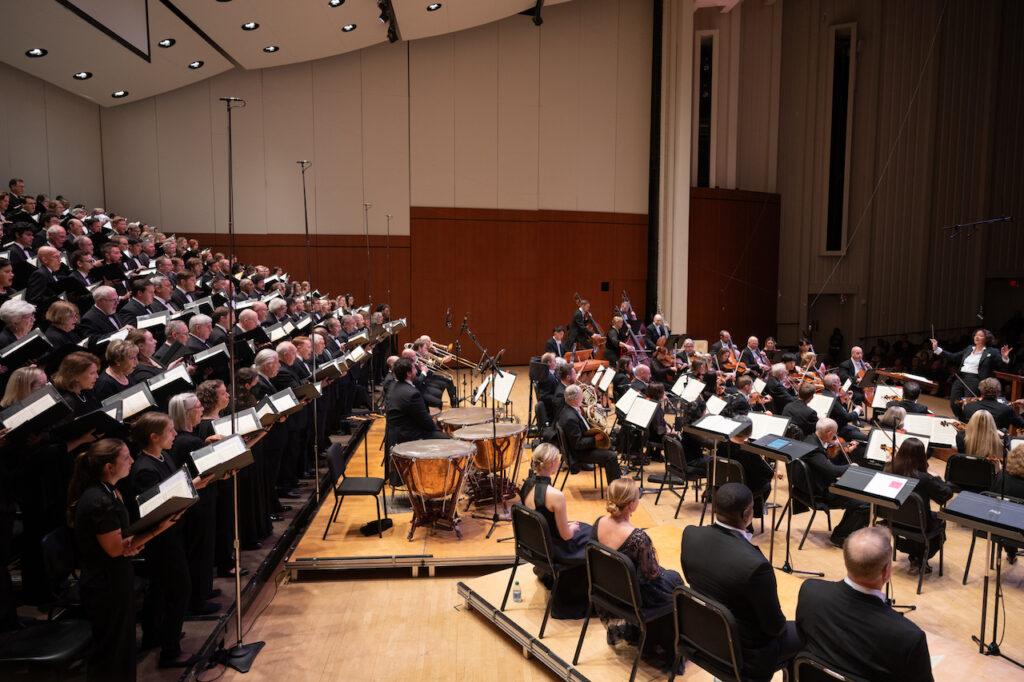
By contrast, the evening’s second half delivered on all fronts. With the help of the ASO’s acclaimed chorus, the Mass in C minor, K. 427 was nothing short of magnificent. In the opening “Kyrie,” the chorus was prominent and pronounced without seeming overblown. That display of controlled energy was a welcome uptick in the concert’s overall tone, but, more importantly, it afforded listeners the opportunity to hear a rich and dynamic vocal ensemble that knew how to present a vast array of voices without clashing with one another.
The ensemble seemed spurred to life by the chorus as well, and “Gloria in Excelsis” hit with all of the arresting splendor the composer intended.
::

Jordan Owen began writing about music professionally at the age of 16 in Oxford, Mississippi. A 2006 graduate of the Berklee College of Music, he is a professional guitarist, bandleader and composer. He is currently the lead guitarist for the jazz group Other Strangers, the power metal band Axis of Empires and the melodic death/thrash metal band Century Spawn.
STAY UP TO DATE ON ALL THINGS ArtsATL
Subscribe to our free weekly e-newsletter.

