Readers’ Choice in film + TV in 2025: Atlanta’s film industry navigates post-strike uncertainty
“People are finding ways to adapt,” says one talent agency head — and focusing less on volume and more on strategy.
::
Editor’s note: We’re resharing stories that were the year’s most-read from each of the disciplines we cover. The following article was exceptionally popular with our readers. Thank you for a wonderful 2025, and we look forward to bringing you more of the best arts coverage in Atlanta in 2026.
Since 2023’s Screen Actors Guild and Writers Guild of America strikes, Atlanta’s film industry has drastically changed, with recent transplants and longtime Atlanta film workers adapting to a shakier, more volatile creative climate.
The SAG and WGA strikes, which lasted throughout the summer and fall of 2023, have had an enduring impact on the number and types of projects filmed around the city. The Atlanta Mayor’s Office of Film & Entertainment issued half its normal number of filming permits in the fiscal year of July 2023 to July 2024, with nearly 40% fewer Georgia productions in 2024 than the previous year.
The strikes occurred simultaneously with major corporate mergers, including Disney’s consolidation of Disney+ and Hulu, Lionsgate’s acquisition of Entertainment One and Skydance Media’s merger with Paramount Global. These corporate deals resulted in layoffs nationwide, with Atlanta being just one of several major production hubs affected. As entertainment giants restructured, they also bought fewer projects and lowered production budgets.
Further, Georgia’s long-prized tax status for film and TV (at 30%, it’s one of the largest credits in the country for production costs) has experienced hiccups in the last few years, with studios now forced to wait longer to have their credits returned to them. “Coming off of a strike when everybody shut down production, companies came back to re-examine things, and the tax credits in Canada and Ireland are so good,” says Tom Cappello, CEO of Atlanta-based Crazy Legs Productions. “They also don’t have to deal with the added bloat in the budget with teamsters or things like that, and there’s better currency exchange. It’s hard to compete.”
This outsourcing has manifested in other ways as well, with streamers, in particular, moving their productions overseas. Netflix recently announced a plan to invest $1 billion in Mexico over the next four years — enough to cover 20 productions a year on average. Amazon MGM Studios, meanwhile, has slowly increased its number of European productions since 2018, with a particular focus on France, Spain and Italy in the last two years.
The drought in opportunities resulting from the strikes has been lengthier than expected, leaving many Atlantans unsure what the upcoming months — or even years — may look like for them. “We got used to just tons and tons of opportunities and shows, and then last year was particularly disappointing,” says Rick Estimond, president of Formation Talent Agency. “I think everybody was anticipating that on the other end of the strikes, we would have a similar big bounce back like we had after the pandemic, and that didn’t really happen.”
Estimond explains that, over the past two years, some industry members adopted the motto “Survive Till 25,” hoping that work would finally pick up again by the time of the new year. While there has not yet been any substantial uptick in the number of film/TV productions around the city, there was a slight increase in active productions from February to March (20 vs. 25). Estimond is confident that, slowly but surely, the industry will return to its pre-pandemic numbers. He also believes the recent dry period has had silver linings, especially for the actors he represents.
“There are some actors that are opening themselves up to roles that they were looking past before … actors finding alternatives and other things to do, other things to keep themselves creatively engaged,” he says. “Maybe last year was really the year of being down and discouraged, where this is more or less like, ‘How are we going to adjust?’ People are finding ways to adapt.”
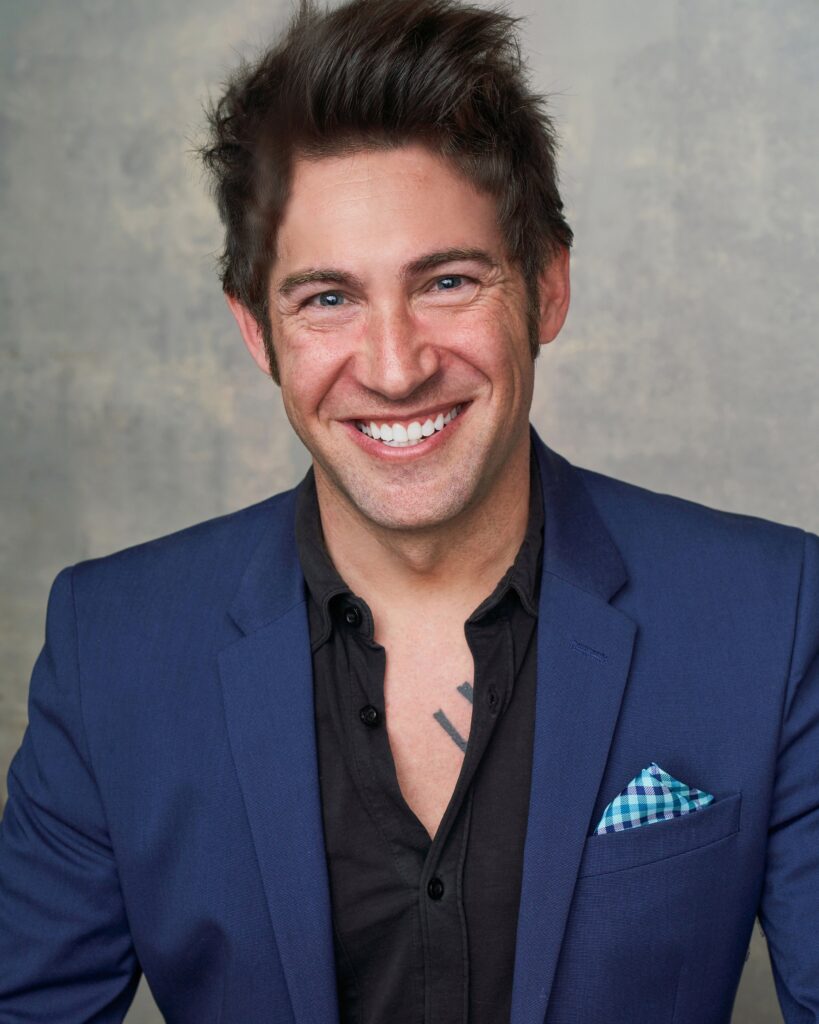
Jason Lockhart, head of TV/Film at Atlanta Models & Talent, shares this optimism, echoing Estimond’s sentiment that actors are stepping outside their comfort zones and finding new ways to continue working locally.
“With less opportunities than previous years and more competition than ever, I think it’s cool to look at time like money and spend it wisely in ways that are most fulfilling,” Lockhart says. “Atlanta’s ‘thrivers’ are excited about realistic opportunities and are making decisions with creativity and longevity in mind, while the ‘survivors’ seem to circle on inward, negative thoughts … that energy can be counterproductive to being hired or even helped.”
Local companies have also adapted to stay afloat. Estimond’s agency has fully rebranded over the last several years (it was previously called People Store), bringing in new agents and changing up its business structure to fit the whims of the industry. Formation now focuses less on volume and more on strategy in building its clients’ careers.
Estimond is proud to lead an Atlanta-based agency, but recent years have shown him that Formation and other companies cannot have a purely “Georgia or bust” business mentality. He wants to ensure that Formation stays, as he puts it, “tax-incentive-proof,” or less at-risk in any future downturns in the Georgia film industry.
“One of the things that has always been terrifying to me is, ‘What do we do if, for whatever reason, the tax incentive is no longer here? Do we just fold up our tent and go home?’” Estimond reflects.
Cappello credits a similar form of self-reliance in Crazy Legs’ continued success amidst the industry downturn. By choosing not to rely on the work-for-hire model as its sole source of revenue and projects, Crazy Legs has built up a strong content library since before Covid-19 and has also started to self-finance its own projects. This strategy has not only made Crazy Legs a more diverse, dynamic company but has also allowed it to pursue higher-budget, more critically-acclaimed projects. (Its latest feature film, The Great Lillian Hall, received SAG and Critics’ Choice award nominations, plus a Writers Guild award win for its screenplay.)
“We’ve always been a hard company to peg down, and we’ve done just about every genre you can do. That’s always been part of our DNA,” Cappello says. Crazy Legs currently has three projects in production with TLC, new series deals with HGTV and Discovery and is even prepping for its first game show with the same creative team behind Chopped. Tack on two projects in development with Netflix and several other feature films in the works, and Crazy Legs looks to be riding high for the foreseeable future.
Lockhart is also hopeful about Atlanta’s future, noting that new types of projects are coming to the city post-strikes, including indie films, limited series and made-for-TV movies. “Not every job has the glitz, glamour, press or certainly the dollars of a major studio gig,” Lockhart admits. “But the plethora of these projects provides a unique opportunity for actors who love to act (and get paid for it) to find more ‘food.’” DTF: St. Louis, HBO’s new limited series starring Jason Bateman and David Harbour, is currently in production, along with a new episodes of The Ms. Pat Show (BET+), the second season of English Teacher (Hulu) and the Anthony Kiedis biopic, Scar Tissue.
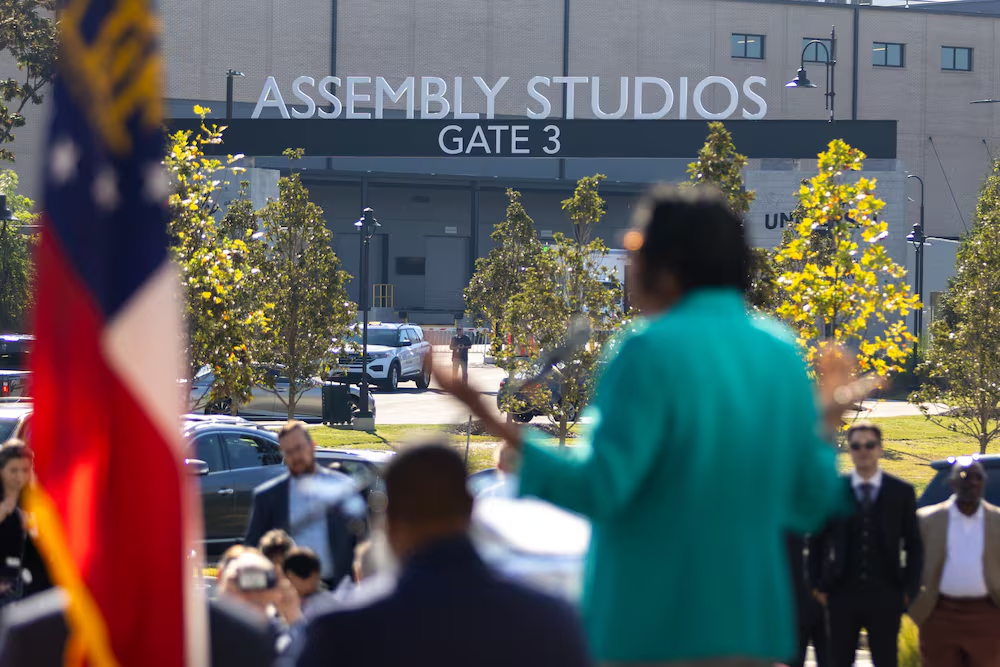
Further, the infrastructure for filming in Georgia continues to improve and expand. Trilith Studios (which opened in 2013 as Pinewood Studios) has grown into a behemoth of big-budget productions, offering 34 sound stages, over 400 acres of back lots and thousands of square feet of office space.
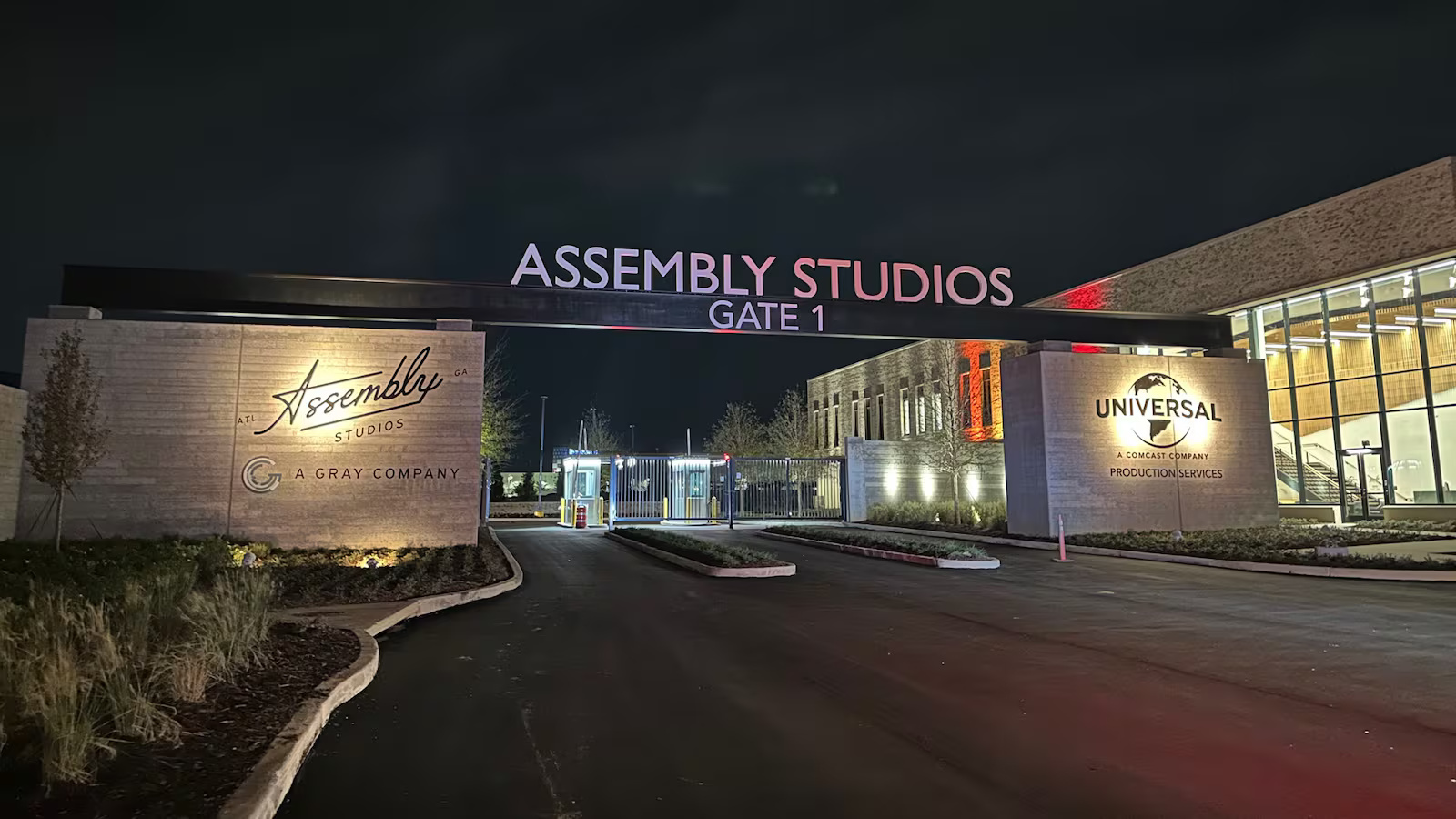
The Atlanta industry is also becoming more accommodating to post-production work. The Bay Area-based visual effects studio Whiskey Tree launched its second location in Alpharetta last year, while new studio Assembly Atlanta offers plentiful production offices and post-production suites on the former General Motors assembly plant site in Doraville.
More from ArtsATL: Assembly Atlanta a creative hub for filmmaking
With 25 projects now filming in Georgia, the industry is still far from being in trouble, even if it’s not quite at the capacity it was several years ago. (In fiscal year 2022, 412 projects were filmed in Georgia, compared to only 273 projects in FY 2024.) New productions of all formats and genres continue to cycle in, albeit more slowly than before. Further, smaller Georgia cities like Columbus have established grants to aid the next generation of young storytellers, with Film Columbus offering $25,000 each to up to eight filmmakers this year.
“Whenever there’s this kind of disruption in an industry, it creates new opportunities,” Estimond says. “There’s still a lot of things that are unsettled … We’re not used to the amount of activity that we’re seeing right now, but I’m really optimistic. Everybody who’s still engaged is in it because they really want to be in it. They’re the most passionate of the passionate.”
::

Holyn Thigpen is an arts writer who has been featured in cultural and literary publications such as BUST, The Ringer, The Talon Review and Bright Lights Film Journal. She holds a master’s in English from Trinity College Dublin and spends her free time reading true crime books and traveling solo.
STAY UP TO DATE ON ALL THINGS ArtsATL
Subscribe to our free weekly e-newsletter.

PLEASE SUPPORT ARTSATL
Your Gift Sustains the Coverage You Count On!
Related Posts