In ‘Hold the Line’ at ArtsXchange, Black men speak on their own terms
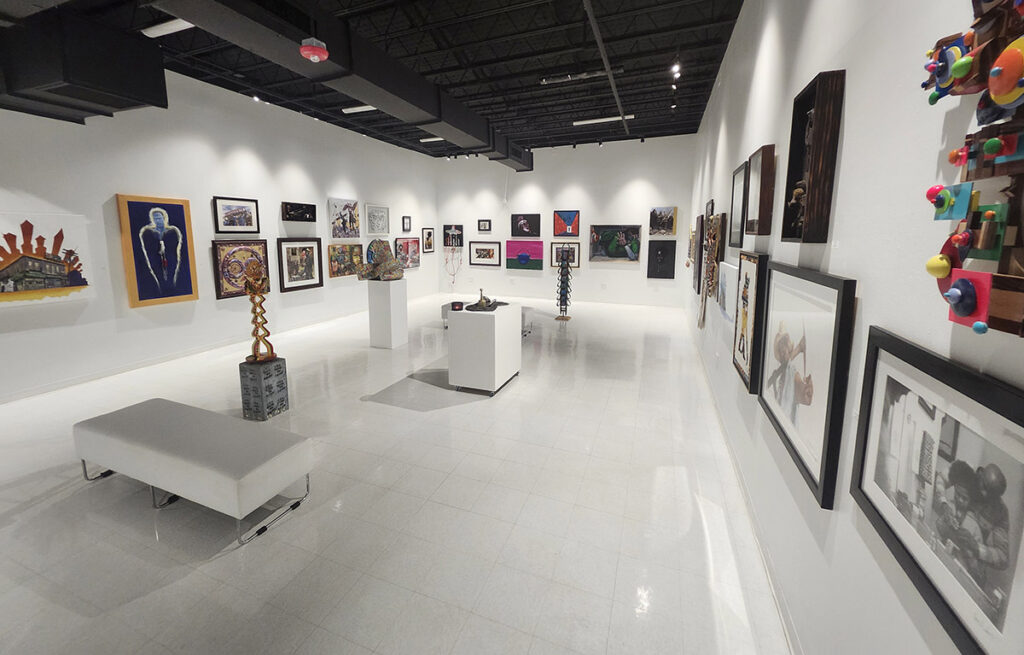
The curators of Hold the Line at ArtsXchange in East Point gave 35 Black male artists the chance to do something unusual — be anything they want.
::
“I’m a 6-foot-7, dark-skinned, Black male. I’m, quote-unquote, imposing,” artist Ralph “rEN” Dillard says, describing his experience as a Black man and how this shaped the exhibition he co-curated with friend and fellow artist Brian Hebert. “I’ve experienced people locking doors around me, clinching their purses and their pearls whenever I walk into a room. I’d like to think that I’m a gentle giant. Society doesn’t speak to that.”
Hold the Line Volume II: Celebrating Black Masculinity, a group exhibition at ArtsXchange’s Jack Sinclair Gallery in East Point running through October 26, originated from conversations he and Hebert had been having around their shared experiences and their desire to amplify what they were grappling with through artistic expression.

“My work,” Dillard says, “is centered around celebrating the Black experience — the melanated experience.”
The debates surrounding Black men have often been waged on the battleground of race, culture and politics. Hold the Line, with its reference to militarism and war, is an apt title.
The aesthetic intervention imagined by Dillard and Hebert isn’t narrowly or simplistically ideological. The diversity of Black male artists in the exhibition ensures a dynamic dialogue across artistic approaches between the works. Dillard and Hebert may understand the exhibition itself as a kind of statement, but, being in the space, Hold the Line feels more like a conversation. Each artist in his own way, 35 in total, presents a way of imagining Black masculinity beyond stereotype, myth and racist fantasy.
The artistic forebearer of the show, Black Male: Representations of Masculinity in Contemporary American Art, which opened in 1994 at the Whitney Museum of American Art, lurks in the shadows of the current exhibition. Whereas Black Male inspired debates around the limits of representation and inclusion of non-Black artists, Hold the Line locks arms against any intrusion of whiteness by featuring only Black male artists in the show.
The curator is as much a grand military tactician as a cultural worker. Hold the Line, doesn’t critique how White people see Black men; it seeks to explore how Black men see themselves. Photographer Robert Mapplethorpe, whose work was included in Black Male, for example, would be unlikely to find a place for his work in Hold the Line.
Black people are still written about, represented and exploited on social media, news coverage and popular culture through a racist lens. And this is certainly the case for Black men. For the exhibition to center Black male artists telling their own stories through their art is refreshing if not subversive.

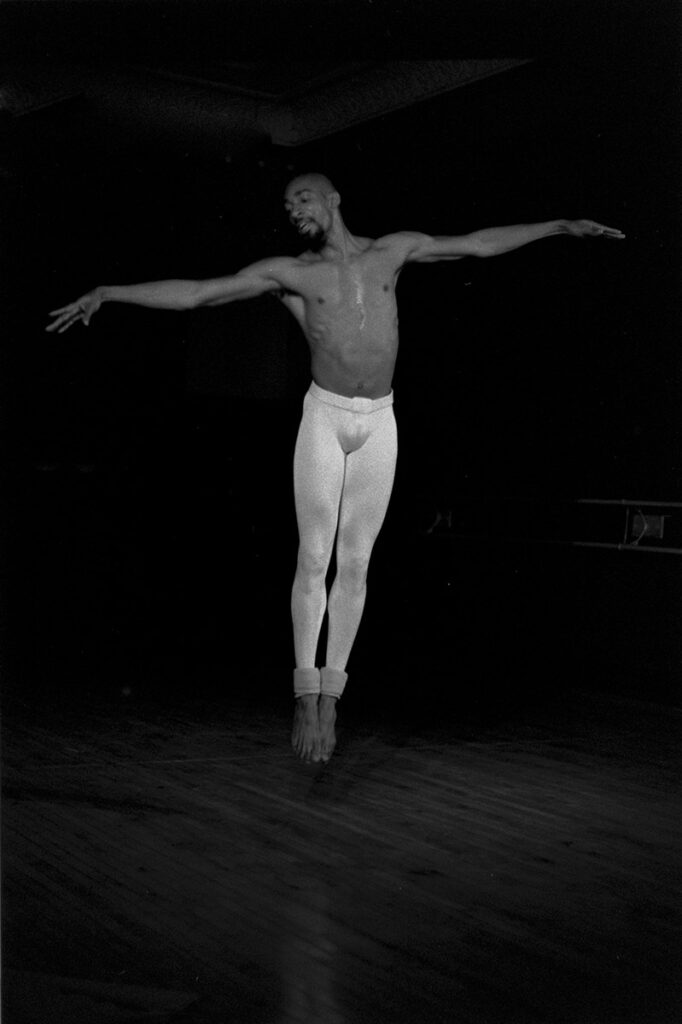
The weight of history looms over the exhibit, but it’s never crushing. There is grief but there is also joy. Through the exhibition we see Black men and boys in various expressions: as boxed in by society yet resilient in Darius Parker’s The View; as a graceful dancer like in Arthur Tafawa Hicks’ work John Parkers, Dancer; and as utterly deconstructed into a silhouette and a series of wires in Dante Yarbrough’s Structural Complexity. Though the dominant narrative of Black men in American culture may be of violence and sex, this exhibition seeks to combat that, not just through critique but through creating a revolutionary visual counter narrative. In this sense, they change the terrain of the debate so it’s on their terms.
The art in the show is layered, each piece coded and embedded with cultural references and personal memory. Each artist invites you to linger, to interact with their work, which at times feels personal and intimate. For Dillard, the experience of the artist in the exhibition is one where he hopes: “You can take off your armor and be vulnerable around other Black men who have experienced the same things you’ve experienced.”
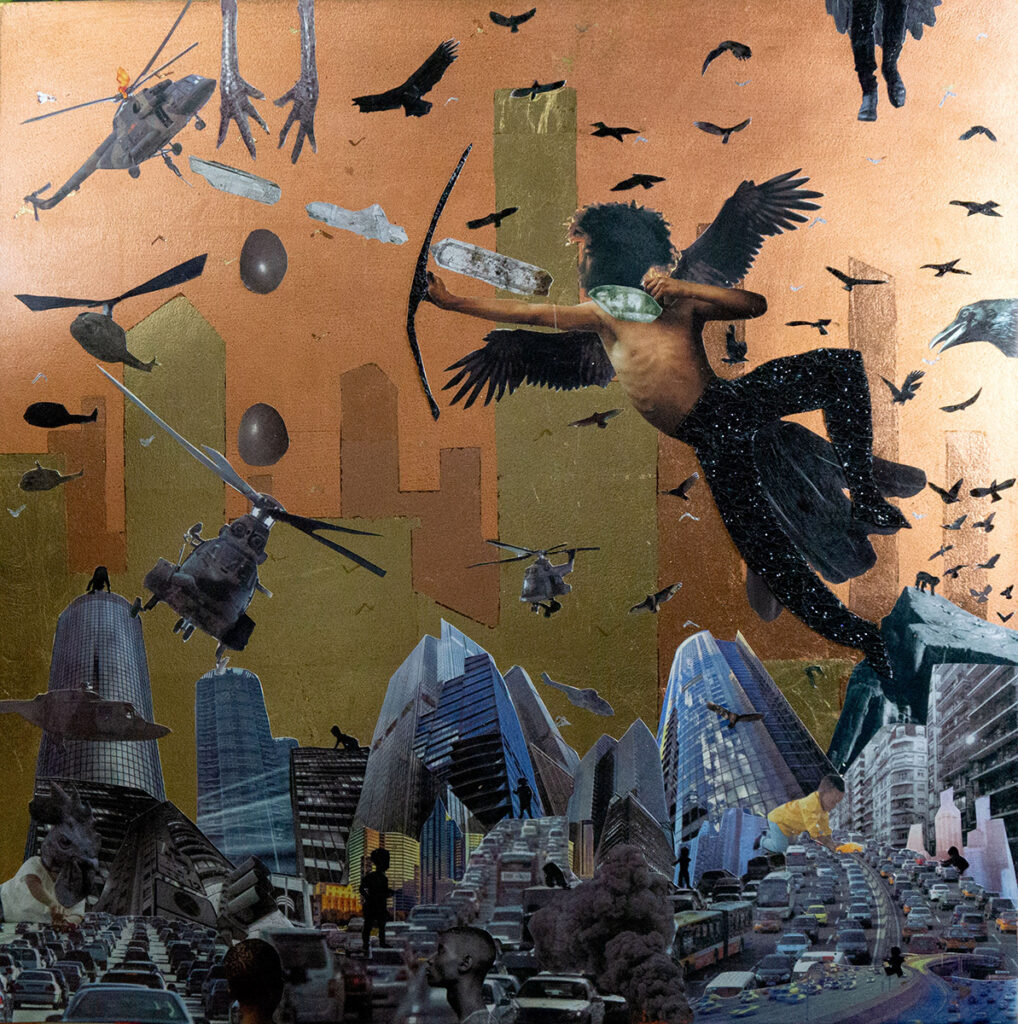
Flight emerges as a recurring theme in the exhibition: Tony Smart’s sublime Super Friends, a mixed media work depicting three boys standing wearing capes, each masked, one adorned in green, another red and another yellow; Aaron Henderson’s Flee — Flight to Afrolantica, an oil painting of a Black man’s feet rising as if in flight above a pair of boots set out on a green, a reference to Black folklore and freedom; and Dillard’s stunningly cinematic mixed media piece Icarus, a winged Black boy with a bow, surrounded by birds and skyscrapers, takes aim at a helicopter flying above him.
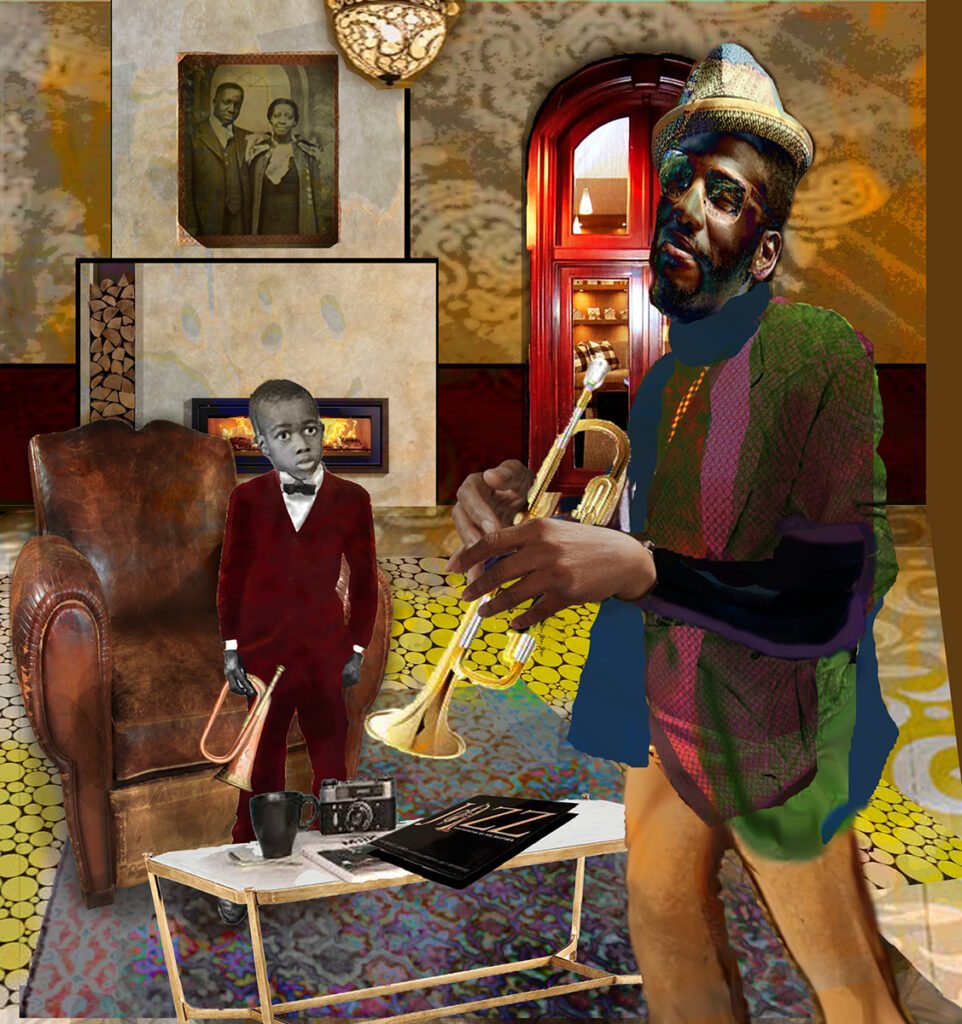
Tenderness and vulnerability as strengths also recur, effectively creating a visual language to re-imagine Black masculinity: Tony Smart’s poetic Man Class 101: Father Teaching Son, a black and white image of a father teaching his son how to tie his tie in the mirror; Najee Dorsey’s Two Generations, a photomontage of a Black man teaching his son to play the trumpet; and Dr. Arturo Lindsay’s mixed media piece, Dear Lord…Why…[did] Qa’id Have to Die, a depiction of an angelic figure set against a luminous blue glow.
There is whimsy in the show — but also realism. A decade of seeing brutal images of Black bodies slain by the police on social media does not escape the art space. The impact of the criminal justice system and collective defiance is engaged in Jim Alexander’s Each Generation, where we see images from Black Lives Matter actions. There are various banners and protest signs, including one that says “Stop Shooting Us” and another sign that says “400 Years of Oppression. We Demand Our Rights.”
Each artist represents Black masculinity in his own terms, in his own way. Hebert’s A Dope Piece of Fruit #6, Leon’s Dream is, on the surface, irreverent — a watermelon with headphones — but also rejects the assumption that Black artists must necessarily create overt social commentary and realism through their work.
Hebert’s multilayered work, inspired by both his love of hip-hop culture and keen observation that our music and our agriculture nourish us, is an example of what becomes possible when Black artists have the freedom to create for themselves. Which is ultimately the point of the exhibition.
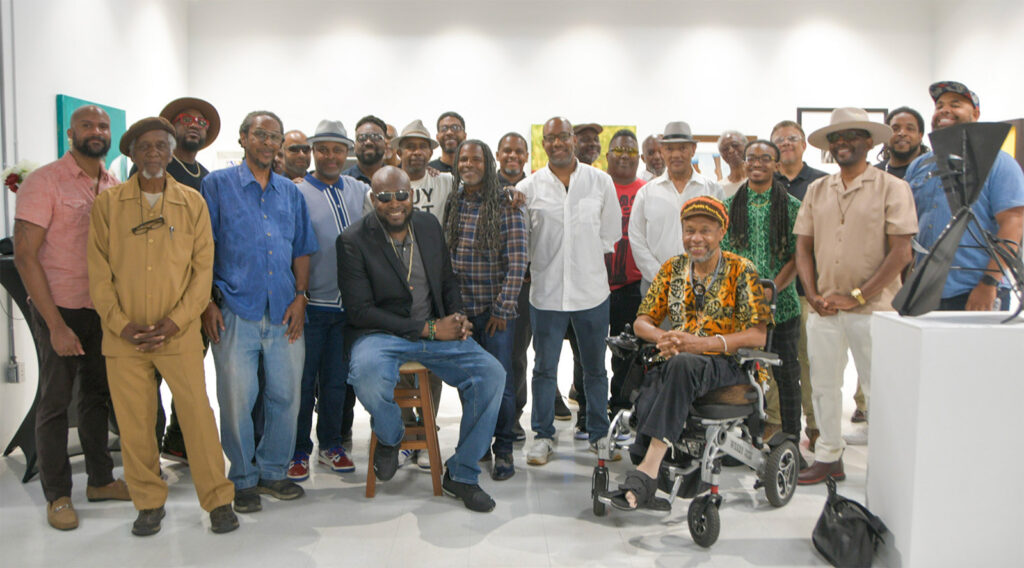
Dillard also has an upcoming exhibition in November at Mason Fine Art called Letters to Deja, which he describes as a visual letter to his daughter. As for his aspirations for the show, Dillard hopes it will travel. The possibility of this show appearing in galleries and community spaces, particularly in the South, has immense potential for inspiring dialogue and building bridges. Dillard says: “We made a concerted effort to kind of cherry pick from different art ecosystems and bring them all together in this one show, whether that was differences in sexuality, whether that was differences in styles, whether that was differences in location, age. We wanted to sprinkle a little bit of everything, and essentially hold the line.”
::
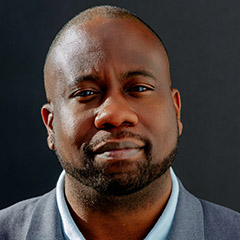
Charles Stephens is an Atlanta-based writer. His work has appeared in publications such as Atlanta magazine, Creative Loafing, The Atlanta Journal-Constitution, Georgia Voice, The Advocate and Them.
STAY UP TO DATE ON ALL THINGS ArtsATL
Subscribe to our free weekly e-newsletter.

PLEASE SUPPORT ARTSATL
Your Gift Sustains the Coverage You Count On!
Related Posts