
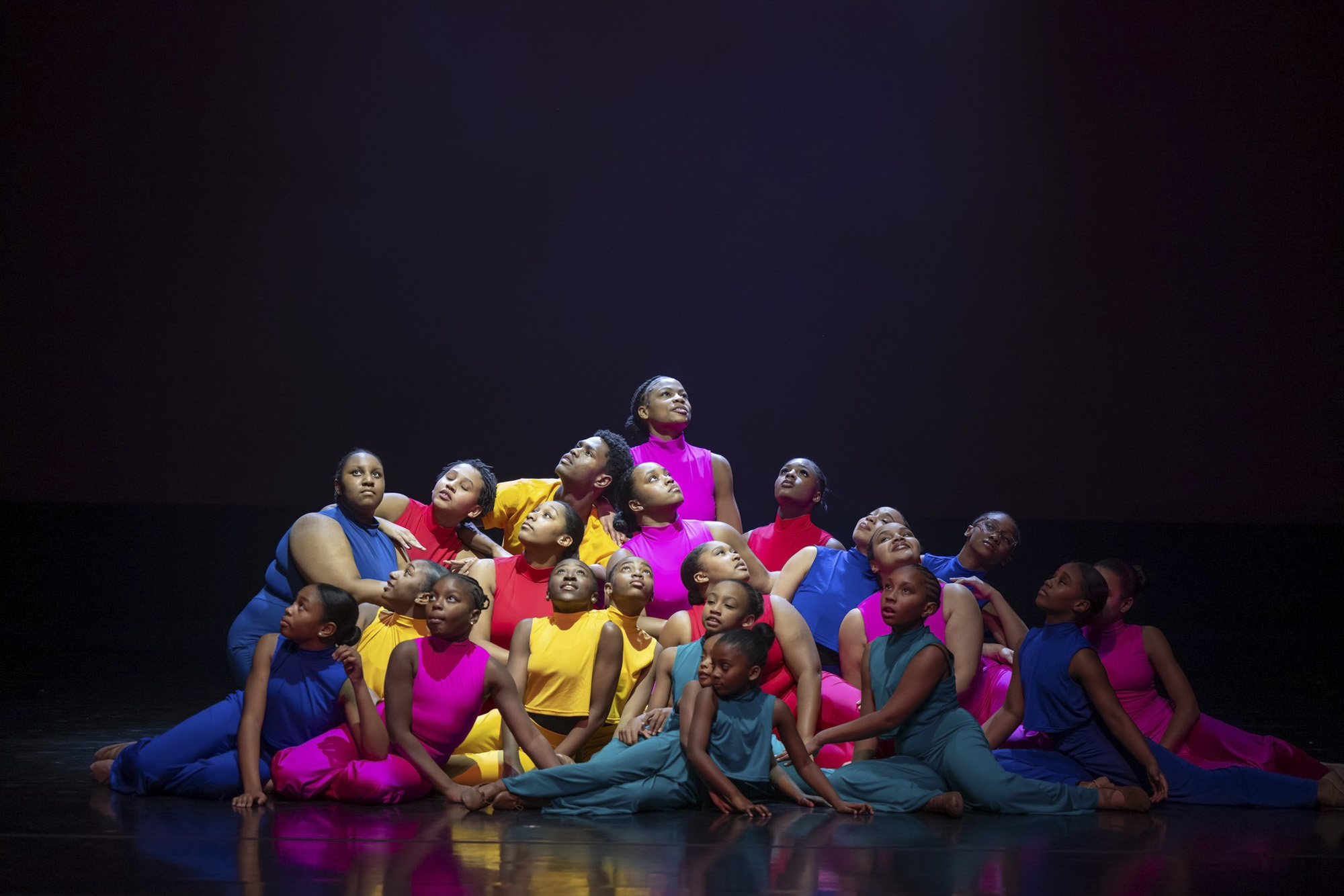
IABD disconnects to reconnect with ‘From Soul to Sole: The Black Dance Family Reunion’
Picture it: You’re in your grandma’s or great aunt’s backyard and Frankie Beverly’s Before I Let You Go begins to play. All of the grown folk rush to the center, and some of your little cousins follow, eager to learn that dance they always see their mamas do. You remember your first time learning the electric slide and you’re filled with nostalgic bliss as you watch.
The Black family reunion has been a time-honored tradition for generations — a gathering that has the power to ground, connect and revitalize entire bloodlines. Armed with the understanding of this power, The International Association of Blacks in Dance (IABD) curated the theme of this year’s 36th Annual Conference and Festival — From Soul to Sole: The Black Dance Family Reunion.
This year’s Conference and Festival will take place at the Hyatt Regency Atlanta and the Rialto Center for the Arts from February 4 through February 8. Since its first Conference in 1988, IABD has been connecting dancers, arts administrators and cultural leaders alike to celebrate the rich impact of Black dancers and address issues and topics that directly affect them. The Conference and Festival has four tracks for participants to engage with: artist, education, leadership and youth. Each track has been thoughtfully designed for each group’s unique needs.
In a recent conversation, Executive Director of The International Association Of Blacks In Dance Omar Ingram shared what ushered him into the world of fine arts and why IABD’s programming continues to be essential to the Black dance community. From Soul to Sole encapsulates the connection between the heart-center and the movement of the feet. In other words, the theme connects how our spiritual experiences manifest themselves physically.
Ingram is an Atlanta native and a proud graduate of Howard University’s Chadwick A. Boseman College of Fine Arts. Ingram has a creative resume that is vast and impressive, such as when he worked with the iconic sister duo Debbie Allen and Phylicia Rashad. As a child, he was a singer in the Atlanta Boys Choir, and he fondly reflected on growing up with a sense of “being supported through the arts.” Through his visionary leadership, support for the arts is something Ingram is intentional about paying forward.

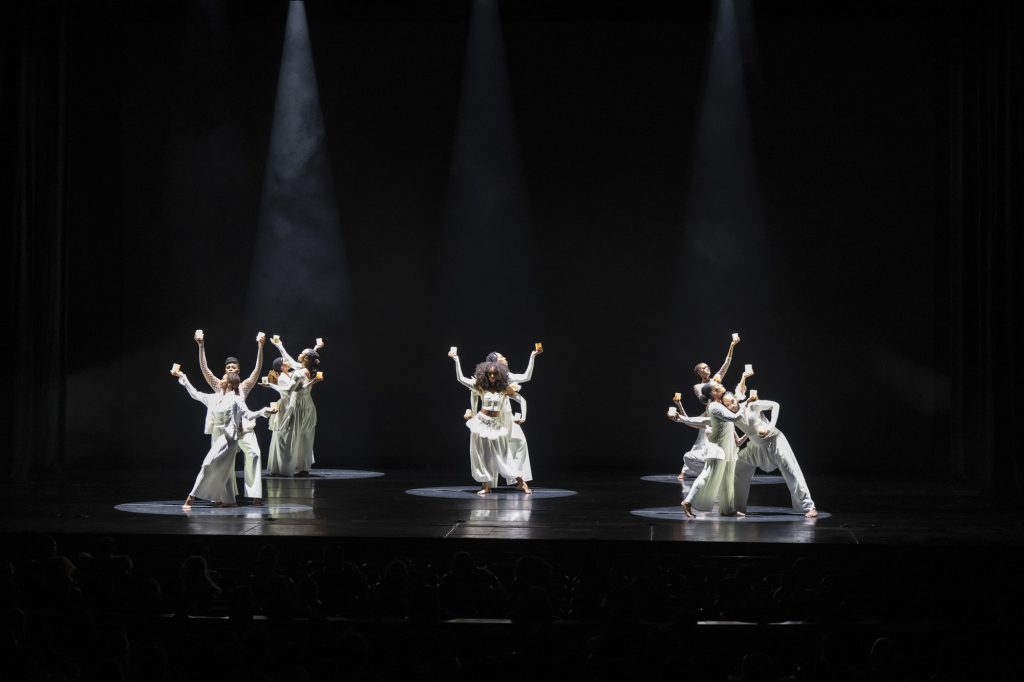

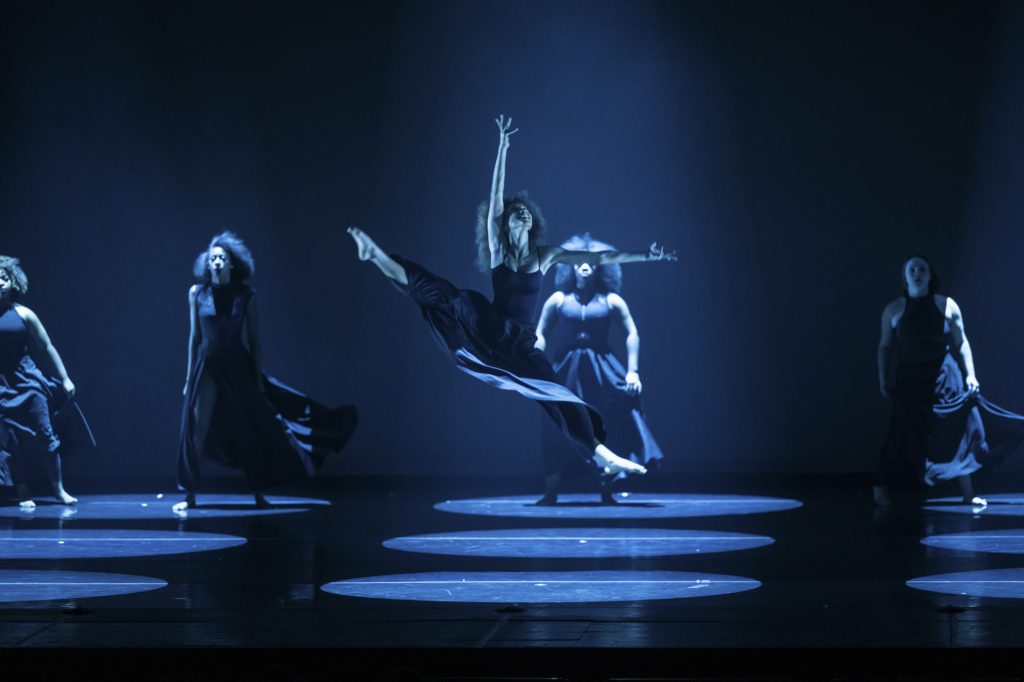
Ingram cited the importance of providing opportunities for youth to travel, to see different artists and to deepen their understanding of another’s humanity. Taking a holistic view, Ingram desires for IABD to be strategic in training not only future professional dancers but also future sponsors, philanthropists and arts administrators. He understands that in order for the dance community to thrive, it must be supported on all fronts, including financially. When asked what he wanted to be true of IABD in three, five and 10 years, one of the primary components was the availability of scholarship and emergency funds. To create at an optimal level, dancers must have their basic needs met. This takes strategic planning and community investment.
“Dance is accessible,” said Ingram. Part of what continues to keep the IABD Conference and Festival relevant is the exposure of dance companies representing different genres. He asserted that as impactful as it is to consume the art of companies outside of your community, it is equally important to remember that “you can be in your communities” to create and consume beautiful work.
As the conversation concluded, Ingram lightheartedly said, “Southern people love a family reunion.” It was important for the theme of this Conference and Festival to be grounded in locale as well as in spirit, and by bringing the event to Atlanta he aims to lean into the sense of reunion and community. He hopes that participants will “disconnect to reconnect,” abandoning their familiar screens for authentic, real-time interactions instead. Ingram shared that “dance is connected to story” and that he wants participants to fully immerse themselves in the powerful, complex stories of others. Finally, he hopes that participants will feel free to bring their full, Black selves to the space, as “there is no one way to be Black.”
There is a reason we turn to art when the world feels overwhelming. “When the words are not enough, we move,” said Ingram. As funding and support for the arts continue to dwindle, it is essential that the community at large look inward to ensure the stories of Black artists continue to be shared. These are the stories that will inspire future generations and give them the strength they need to persist. If you are looking to be energized, grounded in community and awestruck by dancers from various genres, register to take part in this year’s Conference and Festival.
::

Joy Liburd studied dance at the Conservatory of Dance and Fine Arts in Decatur. She was a member of the Zankiliwa African Dance Troupe and the Carolina Tap Ensemble during her undergrad tenure at the University of North Carolina at Chapel Hill. Joy taught ballet and tap at Jacksonville Arts & Music School in Florida. She recently completed her master’s program in creative business leadership at the Savannah College of Art and Design.
STAY UP TO DATE ON ALL THINGS ArtsATL
Subscribe to our free weekly e-newsletter.

