Growing Woodstock Arts offers a cultural gateway between North Georgia Appalachia and metro Atlanta
The arts are often valued for what they create — performances, exhibitions, music and stories. Less frequently discussed is what they create between people. At Woodstock Arts in north metro Atlanta, artistic participation serves not only cultural goals but also community ones, connecting residents through shared experiences, volunteerism and civic engagement.
Woodstock Arts functions as a central driver for the expanding arts community in the north metro Atlanta region. Originally established in 2002 as the Elm Street Cultural Arts Village by local advocates Ann Littrell and Gail Barnes, the organization initially served as a localized, volunteer-led theater group. As the area’s creative community grew, the nonprofit scaled its operational capacity under former Executive Director Madeline Briggs, who professionalized productions and introduced stipend-supported roles.
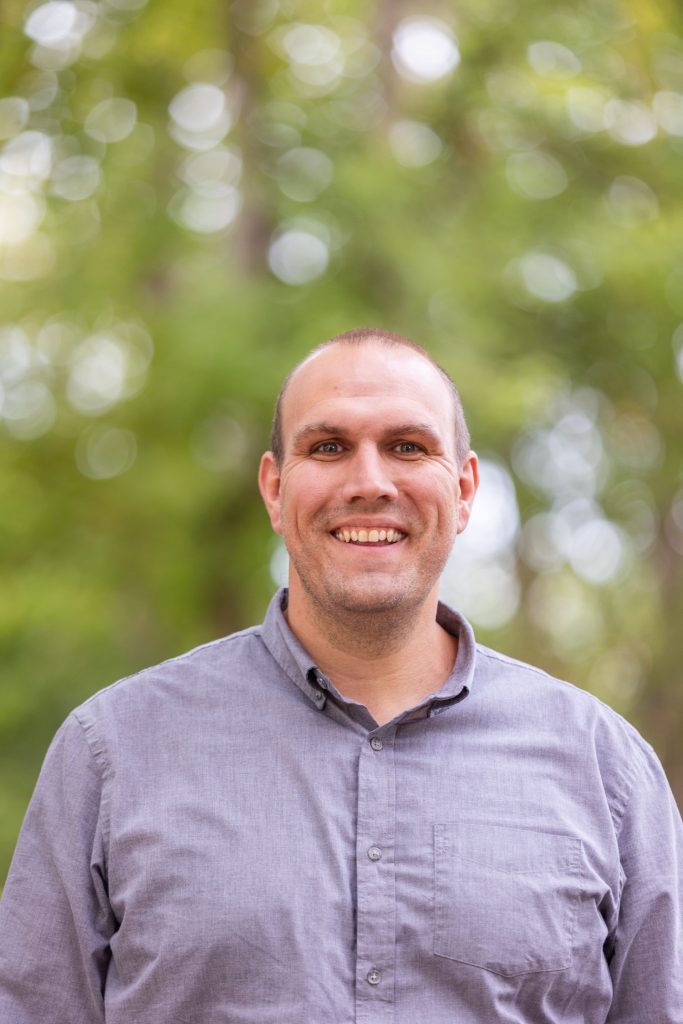
This institutional expansion led to a 2019 rebranding and the 2021 addition of The Reeves House Visual Arts Center. Today, under Executive Director Christopher Brazelton, the organization manages a multidisciplinary network spanning theater, music, dance and culinary arts for all ages — both through experiencing the art and through learning opportunities — and directly pacing the growth of the regional cultural landscape.
However, the organization’s objective extends past simply providing varied arts experiences; it aims to actively build and sustain a hub for its residents. “We really do try to focus on our mission, which is engaging the community. We have a kind of a framework for how we can catalyze the community to get involved,” says Brazelton. Part of this involves low entry barriers for volunteers who can participate in everything from ushering to costume design to sound production. “We have a large percentage of our volunteers who will say that we were the first place they volunteered when they moved into the area,” says Brazelton, leading to a high rate of those people becoming more involved in a variety of capacities. “I think we all have an innate ability to create. Everybody has the opportunity and ability to create in some capacity and maybe there’s some people with more natural, refined craft around that. I do think that we get to beautiful moments through discovery.”
It’s not just involvement with the many opportunities for classes and experiences. For instance, Brazelton explains, “We’ve done like theatrical shows with mental health, or we’ve done like concerts, where we bring in musicians who were through the foster care program. So they work with our foster care students in the community. And then our volunteers end up getting involved in foster care as foster parents or another way.” This idea runs deep in the vision of Woodstock Arts. “The arts can become a catalyst to be involved in civic engagement and other needs in the community that has been really fun to watch over the years,” says Brazelton.
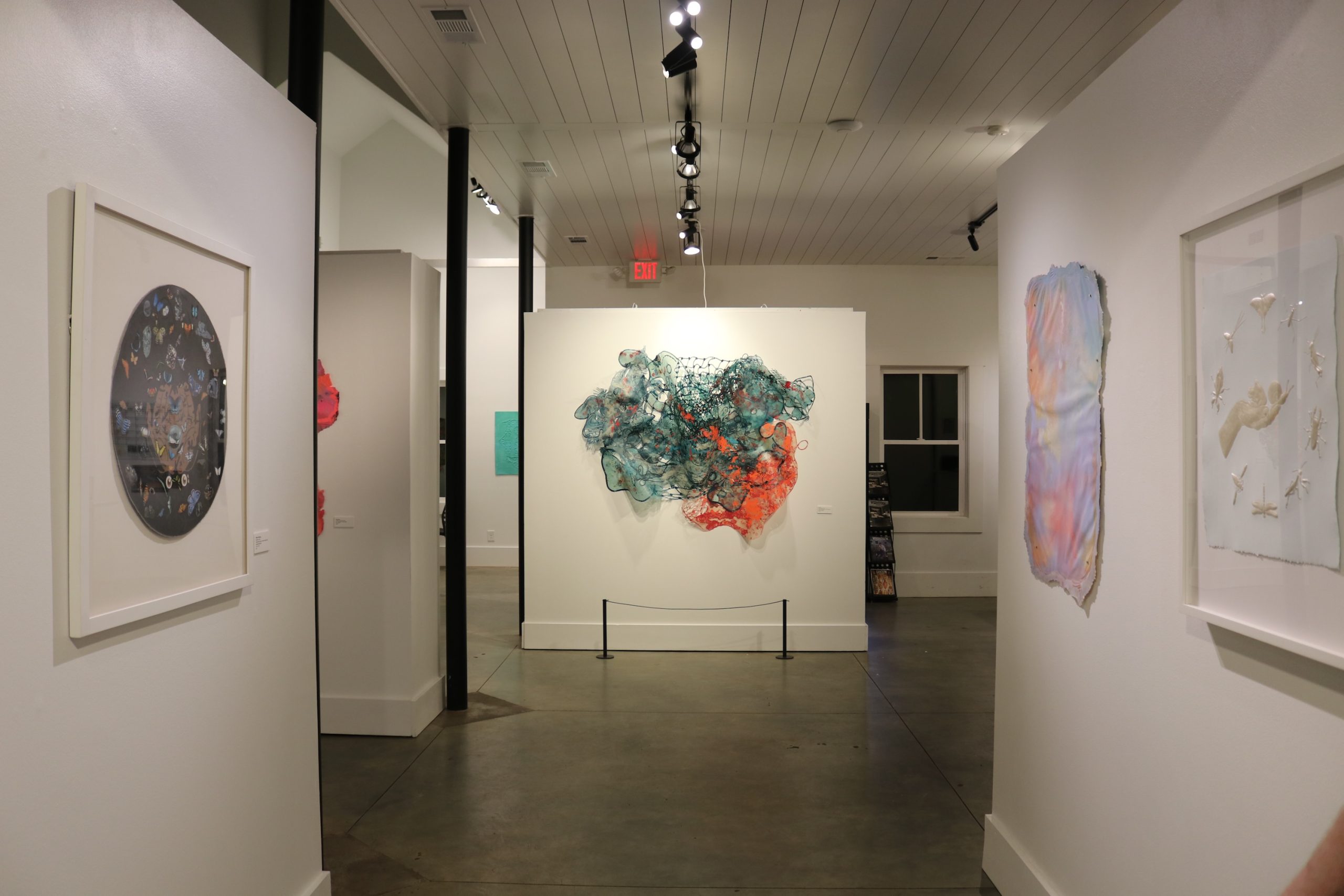
While cultivating the engagement of the casual arts lover is a priority, supporting local creators is equally vital to the organization’s ecosystem. The Reeves House Visual Arts Center champions this through its annual Small Town: Small Works exhibition. The concept is intentionally precise: It invites artists living within a strict 15-mile radius of Woodstock to submit original pieces that measure 15 inches or smaller. By keeping the physical footprint small, the gallery keeps price points accessible, allowing residents to easily buy from and support their creative neighbors.
Within any community or organization, tensions are bound to arise. “Any time there’s like social commentary and then somebody gets uncomfortable, that’s an opportunity for us. I say, ‘Let’s have a cup of coffee, you know, and sit down and talk about it. That’s an invitation for community building; we build bridges together to better understand each other. That’s where the magic really happens.”
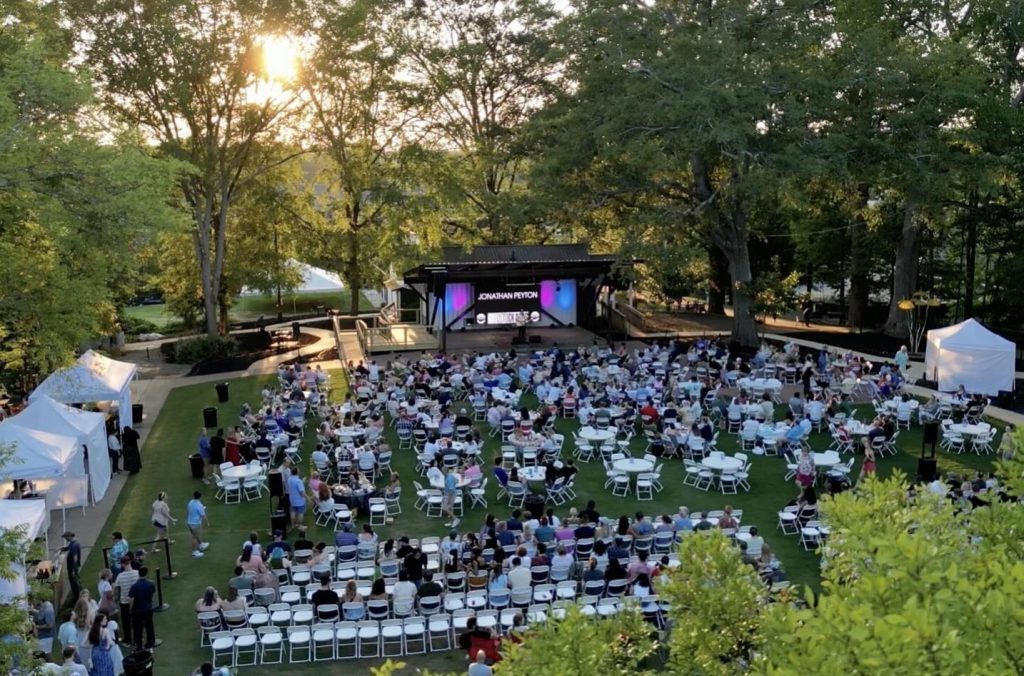
Brazelton sees Woodstock as a gateway between North Georgia Appalachia and metro Atlanta, and there is an emphasis on Bluegrass to reflect the Appalachian culture of the former. However, musical diversity that opens those who haven’t experienced it is equally important, he says. “We’ve done Chamber Soul, which was a fantastic concert. We’ve done Afro Celtic Funk and many other types of music our audiences might not necessarily be familiar with. “The surprise is ‘I don’t know what I’m getting into’ and then they leave with ‘I can’t believe I thought about not coming.’ That’s the sweet spot you want to be in.” Brazelton enjoys it when people from inside-the-perimeter come out: “They get here and say this place is really cool.”
“The arts can grab people of different backgrounds and different lived experiences, and say, hey, as a community, this is what we want to do, or this is what we’re going to be known for,” he says. “The arts become a catalyst for that community, efficacy for everyone to lean in, empathize with each other and say, ‘All right. Let’s all work together to strive to achieve that goal.’ It just makes sense.”
To find out more about Woodstock Arts, including upcoming events and membership information, visit the Woodstock Arts website.
::

Shannon Marie Tovey is a freelance music journalist and educator who covers the jazz, blues and rock scene.
STAY UP TO DATE ON ALL THINGS ArtsATL
Subscribe to our free weekly e-newsletter.

PLEASE SUPPORT ARTSATL
Your Gift Sustains the Coverage You Count On!
Related Posts