Bach’s Mass in B minor results in an auditory malaise uncharacteristic of the ASO
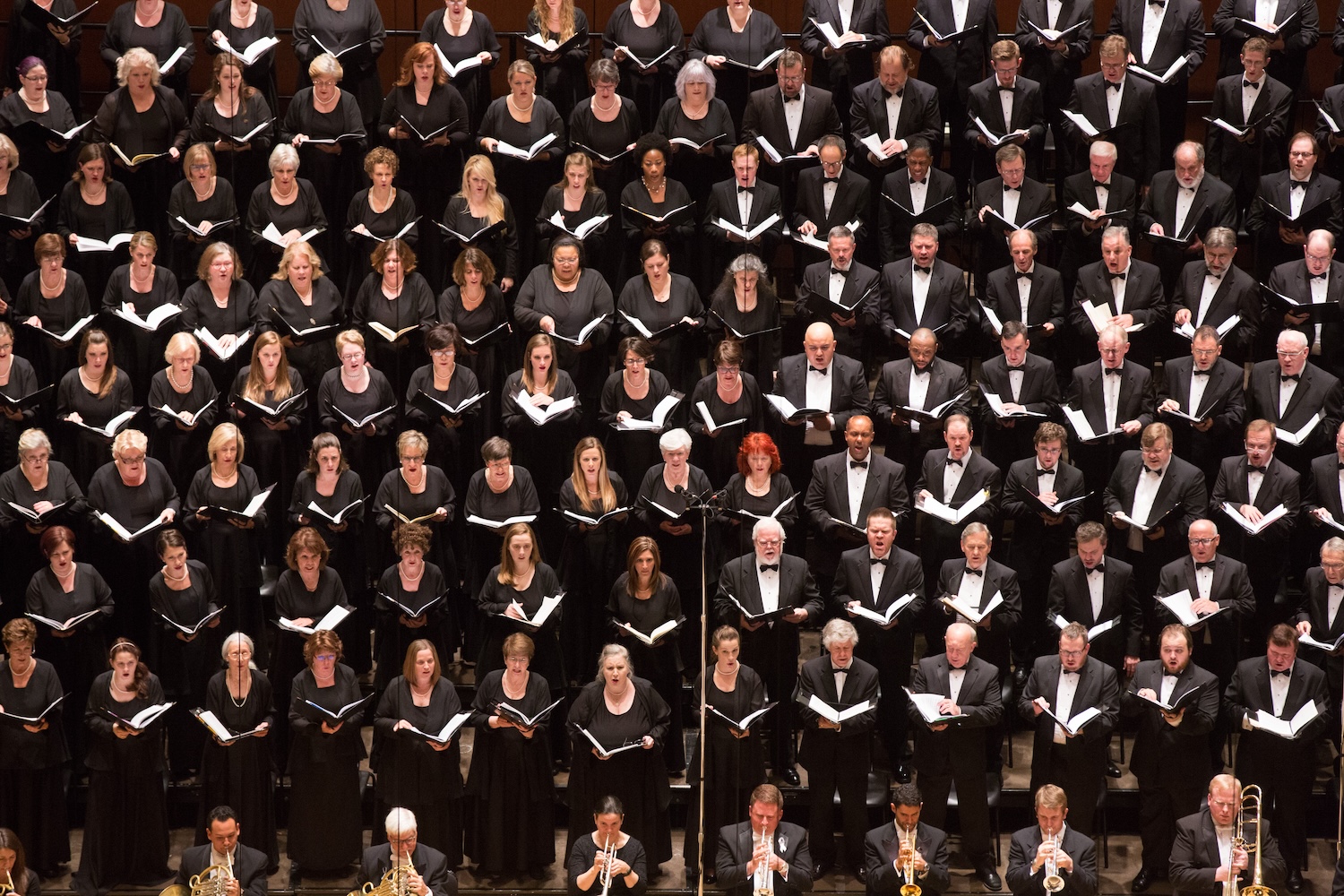
The Atlanta Symphony Orchestra convened on Thursday, March 12, for a performance of Johann Sebastian Bach’s Mass in B minor, BWV 232, with support from the legendary ASO chorus. The opening paragraph of the program notes for the event reads: “In 1818, the Swiss publisher Hans Georg Nägeli got his hands on a manuscript of Bach’s Mass in B minor and declared, ‘It is the greatest music work of art of all ages and of all people.’ Of course, it’s pointless to rank musical works. And yet, 200 years later, nothing has come along to eclipse or even lessen humanity’s regard for the piece.”
Hold my beer.
As the program notes, the Mass in B minor is a “tough sing” for the chorus as it necessitates their participation in 18 of the 27 movements. That being the case, I initially assumed that the soporific choral opening was a hedging of bets toward overall endurance on the part of the singers. That might have been a reasonable interpretation, but the orchestra as a whole seemed to be half asleep as well.
That sense of listlessness — a sort of auditory malaise highly uncharacteristic of the ASO — came to define the evening. To some extent, it’s down to the material. Contrary to the aforementioned adulation from Nägeli, the Mass in B minor lopes along with the kind of pedantic stuffiness that comes up in parody compositions seeking to lampoon the erudite tedium of classical music as it sounds to disinterested listeners.
For most of the piece, Bach declines to emphasize instrumental soloists and showcases little of his usual melodic accessibility. The end result comes off as uninspired and by-the-numbers, no matter the players involved. Nevertheless, one would expect to hear the ASO rising above the doldrums of a classical master’s mediocre moments.
“That’s the longest church service I ever attended,” remarked the gentleman next to me as we washed our hands in the lavatory at intermission.
“There’s more to come,” I replied grimly.
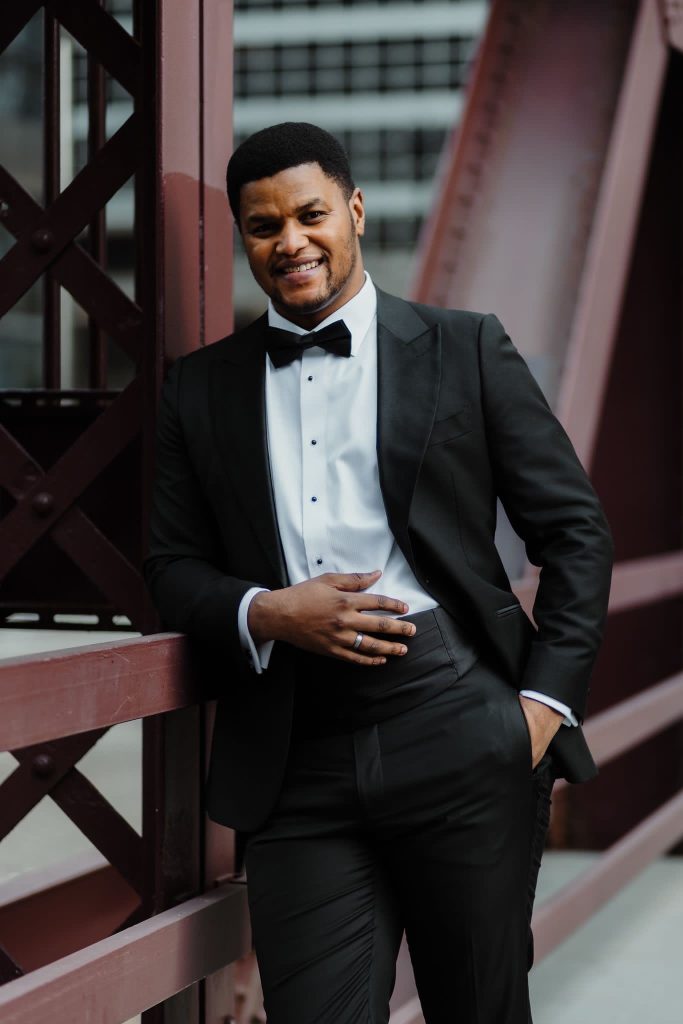
Both choir and orchestra did show signs of life during the latter movements of the Mass (the glory of the Lord has been known to have that effect). Principal flutist Christina Smith turned in a moving take on one of the piece’s few instrumental solos and was soon joined by an impassioned delivery from tenor Lunga Eric Hallam. Bass-baritone Krešimir Stražanac was similarly enjoyable.
As I considered the largely dull proceedings, it occurred to me that this might be the natural outgrowth of conductor Nathalie Stutzmann’s overemphasis on oblations at the altar of the classical masters. The ambitious Beethoven Project, which saw the ASO perform all nine of the composer’s symphonies and several of his other prominent works, was a resounding success, but it also filled out space that could have gone to new and innovative modern works.
I understand the impulse to lean on classical’s extensive back catalog. When it comes to those sprawling works of regal majesty and divine inspiration, I abandon my liberal sensibilities altogether and bow before the architects of Western civilization with a fervor that would make the most conservative listener raise a concerned eyebrow. The legacy of sounds contained therein is simply that strong.
But no matter how impassioned my love of those works may be, I cannot deny that familiarity breeds contempt, and, as such, Thursday night had me seeing the wisdom in previous ASO Conductor Robert Spano’s emphasis on the inclusion of new and modern works by living composers. That exploratory mind-set balances the humors in an orchestra and keeps it a vital, unrelenting force rather than a beleaguered tribute act for the bygone potency of yesteryear’s creatives.
So the ASO shows its first signs of wavering under Stutzmann’s baton, and the conductor herself even seemed uncharacteristically subdued throughout the night. She’s more than proven she can lead an orchestra on epic treks across the classics. Now it’s time for her to take on the modernists with the same steely-eyed resolve. I’ve lamented time and again that modern classical writing is always a gamble — that there’s as much John Cage-inspired nonsense out there as there is real innovation — but it’s high time for Stutzmann and company to roll those dice.
I have been blessed to behold the ASO conquering the manifold realms of virtuostic mastery that are the classical canon through the years, and my having witnessed that stellar track record left me all the more dumbfounded after Thursday’s lackluster performance. There’s an old saying that a broken clock is still right twice a day. Perhaps the opposite is also true: Even the most well-kept and precisely wound timepiece will falter on occasion. Here’s hoping the ASO will be back up to speed next time.
Where & when
Atlanta Symphony Orchestra and Chorus: Bach’s Mass in B minor. There are two more performances at Symphony Hall at 8 p.m. on March 14 and at 3 p.m. on March 15.
::

Jordan Owen began writing about music professionally at the age of 16 in Oxford, Mississippi. A 2006 graduate of the Berklee College of Music, he is a professional guitarist, bandleader and composer. He is currently the lead guitarist for the jazz group Other Strangers, the power metal band Axis of Empires and the melodic death/thrash metal band Century Spawn.
STAY UP TO DATE ON ALL THINGS ArtsATL
Subscribe to our free weekly e-newsletter.

PLEASE SUPPORT ARTSATL
Your Gift Sustains the Coverage You Count On!
Related Posts