
Atlanta critic Steve Murray: David Lynch changed my life
ArtsATL film critic Steve Murray looks back on how David Lynch shaped his life and loves.
::
In a sunny Santa Monica hotel room in 1990, I sat knee-to-knee with David Lynch. We sat that close because Lynch was a famously quiet, golly-gee conversationalist. In his buttoned-to-the-collar white shirt and swept back, dark blond pompadour, he was an American original: the nicest boy-next-door whose basement you did not want to visit. But he invited us down anyway, and we went.
He was smoking, and I would take up the habit myself in the mid-’90s because I was young and stupid and immortal. (I gave it up after a few years. I wish Lynch had, too, because it sounds like that’s what took him out at age 78.)
I was there to interview him about Wild at Heart, the Cannes Film Festival prize winner with a mix of gore and Wizard of Oz references that left me cold. I weirdly preferred his famous, flop adaptation of Dune. But there was another of his films I talked about when I was introducing myself.
My friend, also named David — and also a painter, like Lynch as a young man — had met as teenagers at the Governor’s Honors Program. As adults in 1986, we were both living in Atlanta and re-establishing our friendship. We were artistic weirdos, so of course we’d already seen Eraserhead at one of George Lefont’s rep theaters. We had to check out Lynch’s new film, Blue Velvet, which was playing at the Tara.
After the show, we walked in silence to the car… then blurted out how much we’d loved the movie at almost the same time. Big sigh. We were each terrified that, if the other hadn’t liked it, our friendship didn’t stand a chance. Now, we’ve been BFFs for 40-something years.
Fast-forward to 2001. I took a guy I was dating to Mulholland Drive, playing (I think) at the Plaza Theatre. I’d already seen it; it was sort of a test. I’d also taken him to Jean-Pierre Jeunet’s much sunnier French romance Amélie.
The tonal contrast between those two movies mirrors the extremes that happen within a single David Lynch film. Think of the gung ho sunniness of Naomi Watts in Drive, before Hollywood eats her alive, or Laura Dern’s robin-loving teenager in Velvet, whose perkiness survives a bloody bleak night of the soul in Lumberton, North Carolina. On the small screen, Lynch reinvigorated the prime-time TV soap opera with Twin Peaks, celebrating small-town life while making us suspect our neighbors led lurid, secret lives.
Anyway, that guy I was dating passed the Lynch test. Reader, I married him.
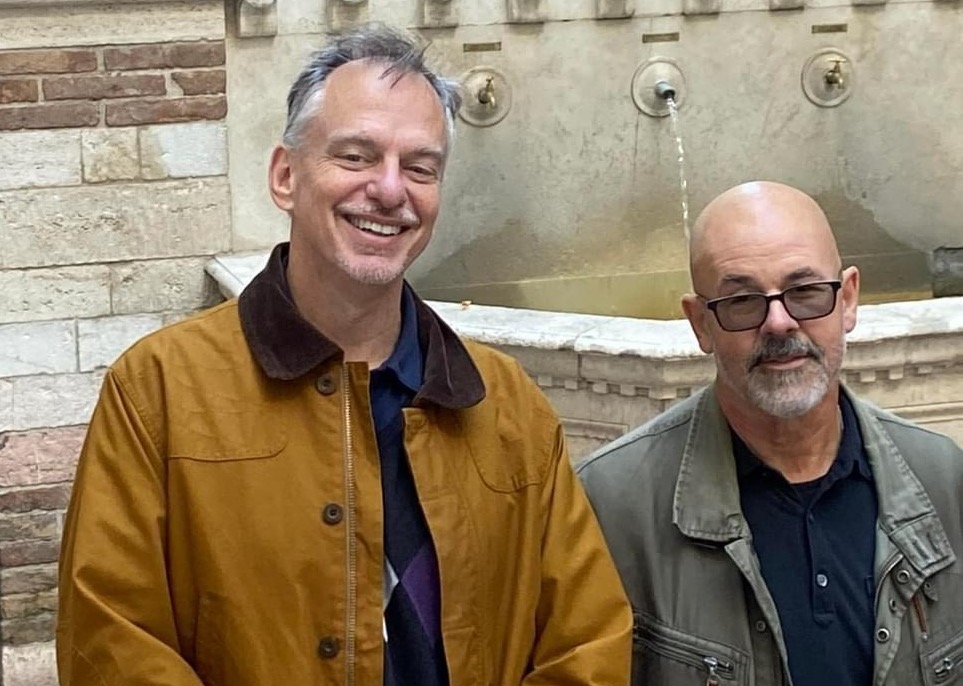
A few years after the Santa Monica trip, in the early 1990s, I met Lynch’s daughter, Jennifer, when she was in Atlanta shooting her film Boxing Helena. The premise — stalker physician mutilates his beloved to keep her in a box — had some of the weirdness of her dad’s work. But the flick’s ending (it was only a dream!) was the sort of cop-out her dad would never take. She was one of many filmmakers influenced by her father, never coming close to his unique voice and vision.
It hurts my heart that I’ll never again get to tiptoe down those basement steps with joy and dread into the world of a new David Lynch film. Rest in peace, you sweet, smiling monster behind the white picket fence.
::

Steve Murray is an award-winning journalist and playwright who has covered the arts as a reporter and critic for many years. Catch up to Steve’s previous column here.
STAY UP TO DATE ON ALL THINGS ArtsATL
Subscribe to our free weekly e-newsletter.

PLEASE SUPPORT ARTSATL
Your Gift Sustains the Coverage You Count On!
Related Posts