Steve on TV: Two trios of strong, damaged women and an idiot man-child

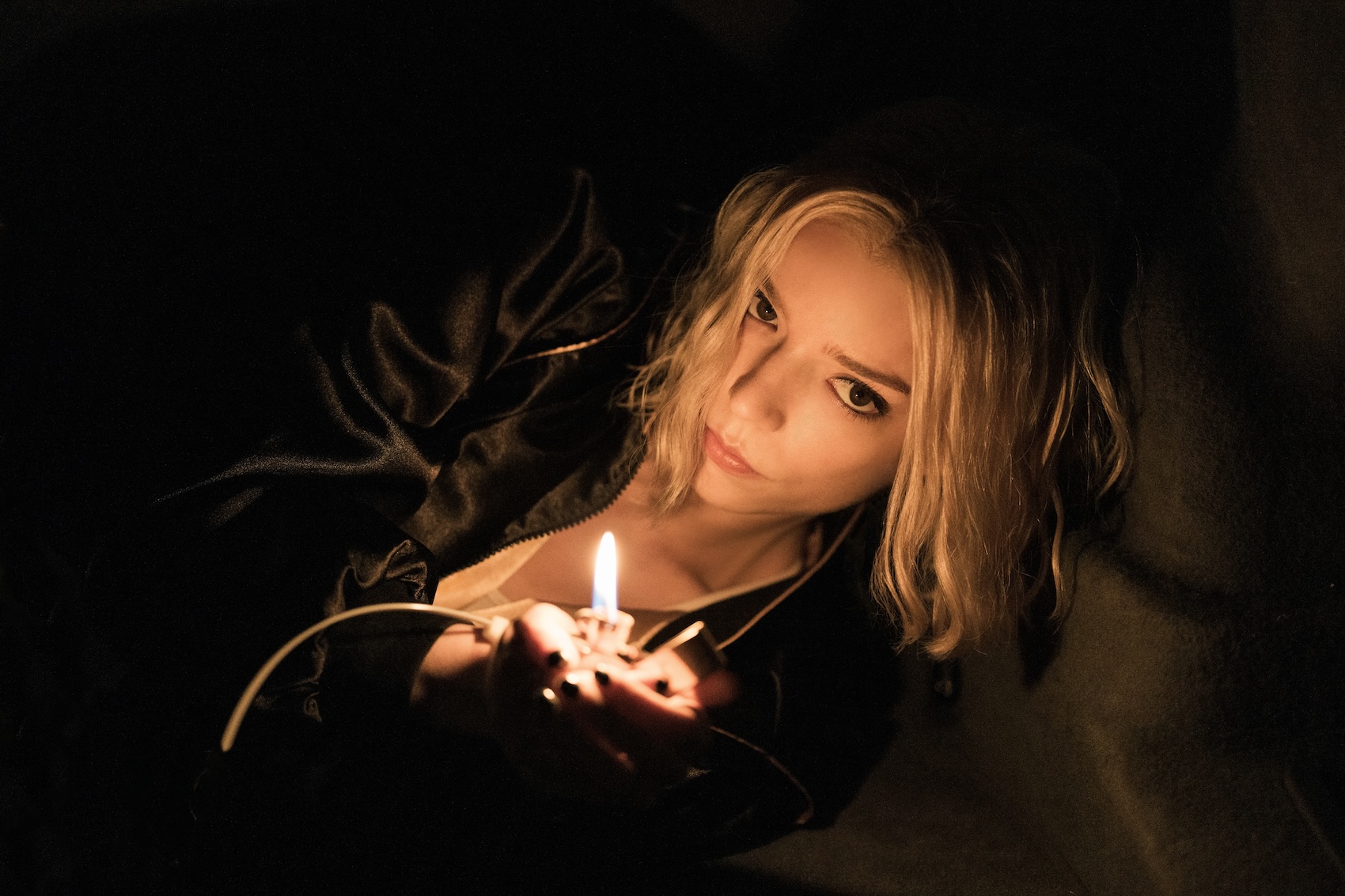
In an instance of synchronicity, both Hulu’s Furious and Apple TV+’s Lucky center on trios of strong, damaged women on different sides of the law. Furious is the more interesting show. Even so, the flashier, disposable Lucky keeps you engaged with the sight of the unworldly Anya Taylor-Joy slinking through Las Vegas and desert wastelands dressed in haute couture. And it offers a grand performance by Annette Bening.
Let’s start with Furious. You could call it a post-Epstein drama … only, our current political reality suggests we will never really be post-Epstein, only living in a perpetual era of Epstein avoidance.
Emmy Rossum plays Alice Black. As tough as she is damaged, she’s a former cop who arrives as a rookie agent for the FBI, trailing a muddied history with the NYPD. She’s split with her former boyfriend and fellow cop Marshall (The White Lotus’ Jake Lacy, with his handsome, punchable face). It’s an open secret that Marshall was an abusive drunk. Former colleague Danny is one of the few cops who’s sided with Alice, estranging himself from his cohorts. He’s played by Scoot McNairy, a fine actor as much in danger as Lacy is of getting typecast (category: flawed-but-decent friend and/or spouse).
Anyway, Alice wants to make her mark in her new job by tracking a fresh serial killer, Catherine (Lola Petticrew). Once the teenage victim of a sex trafficking ring catering to wealthy white men of Manhattan, now an adult but still looking about 12, Catherine has begun to kill her onetime abusers. The ruse requires lots of wigs, fake IDs and a ton of implausibilities. The biggest is: How does a woman who looks like she weighs 98 pounds physically manhandle guys twice her size?
Of the three complicated, messed-up women at the heart of Furious, the least interesting one, believe it or not, is the serial killer. Completing the show’s triad is Alice’s new boss at the Bureau, Special Agent Nora Washington (Quincy Tyler Bernstine). Small, Black and sardonic, she takes Alice under her wing and shields her against the ingrained sexism of the place. But Alice soon learns Nora herself may be implicated in the Bureau’s long-ago failure to legally prosecute the men that Catherine is now executing.

Nora is one of the show’s several characters saddled with a drinking problem. Furious uses addiction to indicate the stress these law enforcers work under, rather than having it be a simple plot device. No one here is an absolute good or bad character. In particular, the diabolical way Alice gets revenge on Marshall in episode five slides her deep into the moral gray zone.
Furious’ “men-are-bad message” couldn’t be clearer if it were spelled out in neon. But the show, created by Elizabeth Meriwether (Dying for Sex), unfolds in a way that gives you confidence it won’t spin out of narrative control, like the shiny messes churned out by Ryan Murphy. At eight episodes, it doesn’t overstay its welcome like the epic-length redo of Cape Fear. The strong supporting cast includes Rob Delaney, a veteran of Meriwether’s previous show, Campbell Scott as chief counsel to the show’s big bad, and Steve Way, an actor with muscular dystrophy who plays the killer’s fiercest defender.
If Furious can get under your skin, Apple TV’s Lucky luxuriates in surfaces, both physical and narrative. The seven-episode show from creator Jonathan Tropper (Banshee) follows Lucia, aka Lucky (Taylor-Joy), as she tracks her husband Cary (Drew Starkey) after he roofies her in Vegas and absconds with the millions of dollars they’ve stolen from the mob.
Cary is the son of Priscilla (Bening), a lieutenant of Wayne (William Fichtner), the kind of vicious thug you only find in movies, ordering his murders from a gorgeous postmodern mansion. The show’s third strong woman is, again, an FBI agent: Rand (Aunjanue Ellis-Taylor), who has spent her career trying to imprison Wayne and Priscilla for life; she wants to use Lucky to make that happen.
Lucky herself is a born scammer, daughter of career conman John. We see flashbacks where he teaches her, as a young girl, how to walk off with parents’ purses and wallets at a kid’s birthday party. He’s played by Timothy Olyphant, an actor whose considerable charms aren’t enough to disguise what a disgusting creep John is.
Lucky, Cary, Wayne, John, Priscilla and Rand search for one another across the Southwest landscape, leading to a last-episode confrontation that is full of firearms overkill in place of wit or surprises. This gun-happy climax has become the stupid, default choice for too much American storytelling. On the way to this disappointment, though, you can enjoy the spectacle of Taylor-Joy somehow eluding whole armies of cops merely by scrunching a baseball cap down on her luminous platinum hair. The actor is so unworldly in her elfin beauty, it’s as impossible to buy this as it is to imagine child-sized killer Catherine in Furious murdering the giant men on her kill list.

While you can’t take your eyes off Lucky’s, well, eyes, it’s Bening and Ellis who give the real performances. Taylor-Joy is a capable anchor, but she still hasn’t learned the trick of going deep. For that, you can always count on Bening, one of our greatest, under-rewarded screen actors. You could see her powerful but vulnerable Priscilla as a descendant of two characters she previously played: the lusty, often naked small-time crook Myra in Stephen Frears’ The Grifters (1990) and Virginia Hill, the moll who won Bugsy Siegel’s heart (and, off-screen, Warren Beatty’s) in Bugsy (1991). It’s a wonderful performance that makes you wish we’d gotten to enjoy many more of them over the years she was busy doing family stuff instead.
NETFLIX
Netflix has turned into a conveyor belt for samey-samey true crime documentaries, almost all of them starting with a frantic 911 call. That includes A Toxic Love Story, but it stands apart for sheer insanity. A scorned ex stalks her former beau and his new girlfriend, in person and online. The case seems to be wrapped up when the woman is arrested, confesses and is sent to await trial … until you hit pause on your remote and realize the movie is only halfway through.
You know what? That’s the most I’ll say. I’ll let you discover the insanity all for yourself. But if you like real-life twists, you’ll thank me.
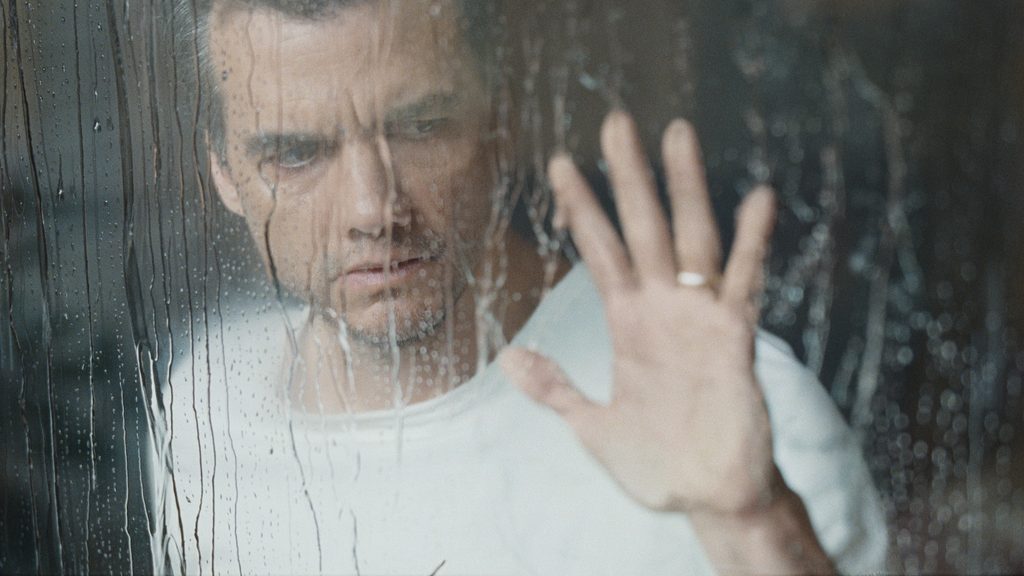
Another Netflix original, from the feature side of the factory that brought us the dumb-fun, shark-meets-hurricane flick Thrash, there’s The Last House. It blends a lumpy smoothie out of A Quiet Place, Signs and all those 1980s movies like Predator and Nightmare on Elm Street and even Home Alone, which featured last-act montages of its heroes fashioning homemade booby traps and weapons to fight off invaders. The movie, with its trapped-inside premise, can also trigger any Covid PTSD you might not know you’re harboring.
Louis Leterrier (Fast X, The Takedown) directs Wagner Moura and Greta Lee as parents imprisoned with their teen son and daughter in their suburban home when weird rain seals up their doors and windows. Why? Don’t worry, you’ll never really understand. It has something to do with aquatic monsters that look like Sigmund and the Sea Monsters on a semi-generous budget. Like the trapped family, the movie seems to improvise its plot scene by scene. In the end, the family averts global destruction by, um, being civil to the alien race — or something? It’s a nice message, if only it were a little easier to track.
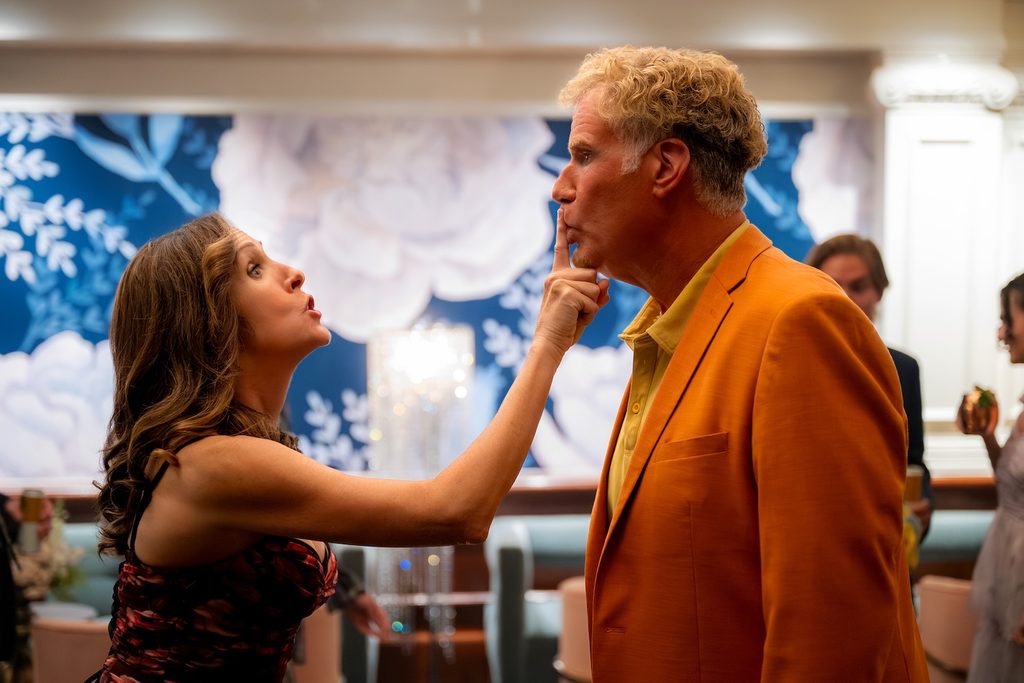
Also on Netflix is the 10-episode Will Ferrell sports comedy, The Hawk. What’s that saying about comedy? Oh yeah: Timing is everything. That’s bad news for Ferrell, still doing his big, blobby idiot act, playing a past-his-prime PGA star hankering for a comeback. Always good to have around, fellow SNL alum Molly Shannon is on board as Ferrell’s ex-wife. But I’m in no mood to watch a loud, idiot child-man spend his days on a golf course, spouting lies about his prowess and ruining everything he touches. I’ve got cable news for that.
Finally, while the streaming platform has become a valid target for deterring folks from watching movies on the big screen — even in a summer where audiences showed up for The Odyssey and the new Spider-Man — I’m grateful to Netflix for one thing. It made possible the impossible: a screen adaptation of the Colombian masterwork One Hundred Years of Solitude, which aired the last of its 16 episodes earlier this week. It’s a gorgeous achievement. In times like these, we need Gabriel Garcia Marquez’s comic, passionate, unsettling reminder that human history repeats itself, but even at its darkest moments, life is a glorious thing … at least until the ants devour us all.
STAY UP TO DATE ON ALL THINGS ArtsATL
Subscribe to our free weekly e-newsletter.

PLEASE SUPPORT ARTSATL
Your Gift Sustains the Coverage You Count On!
Related Posts