Atlanta Ballet musicians protest as company cuts back orchestra
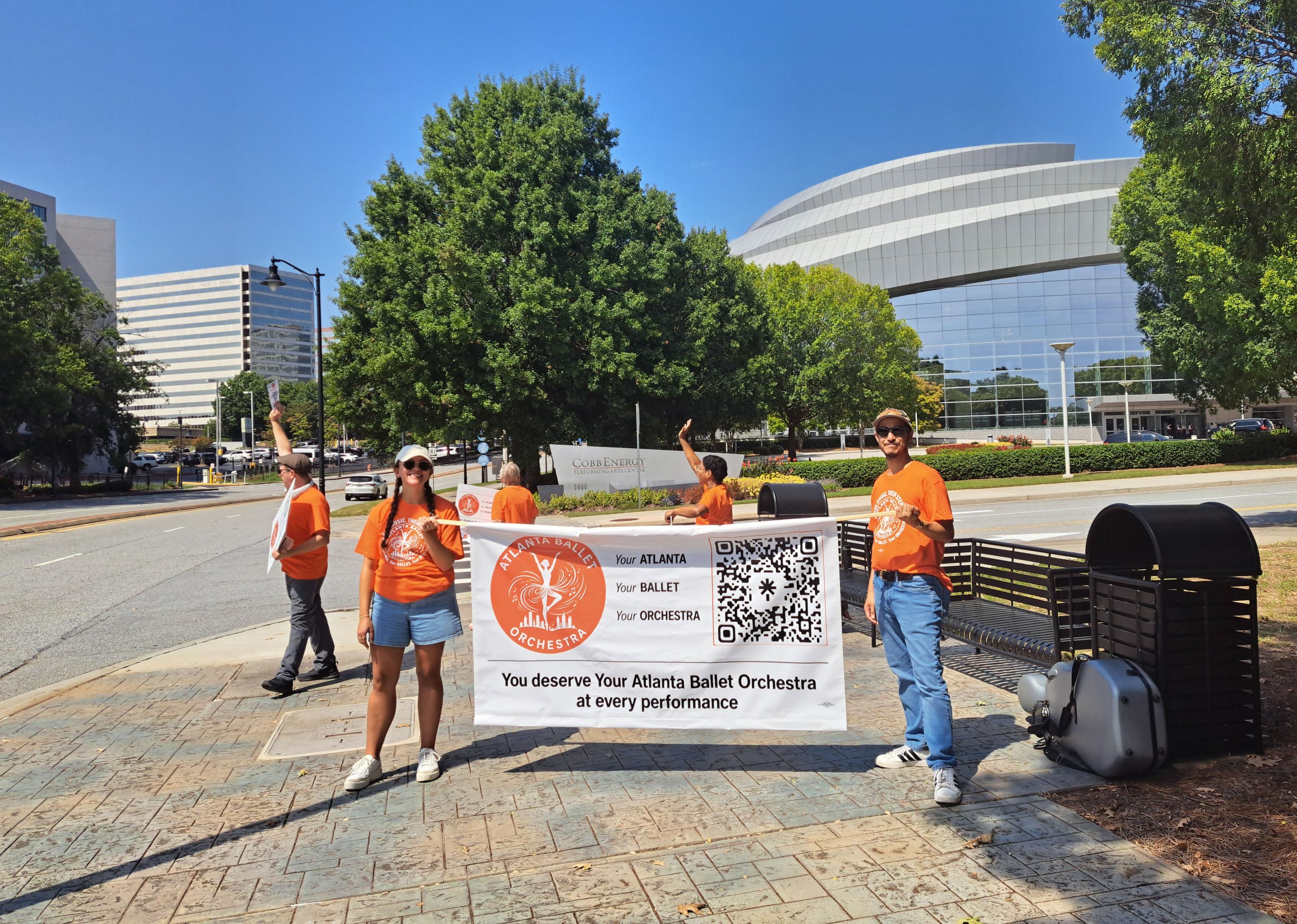
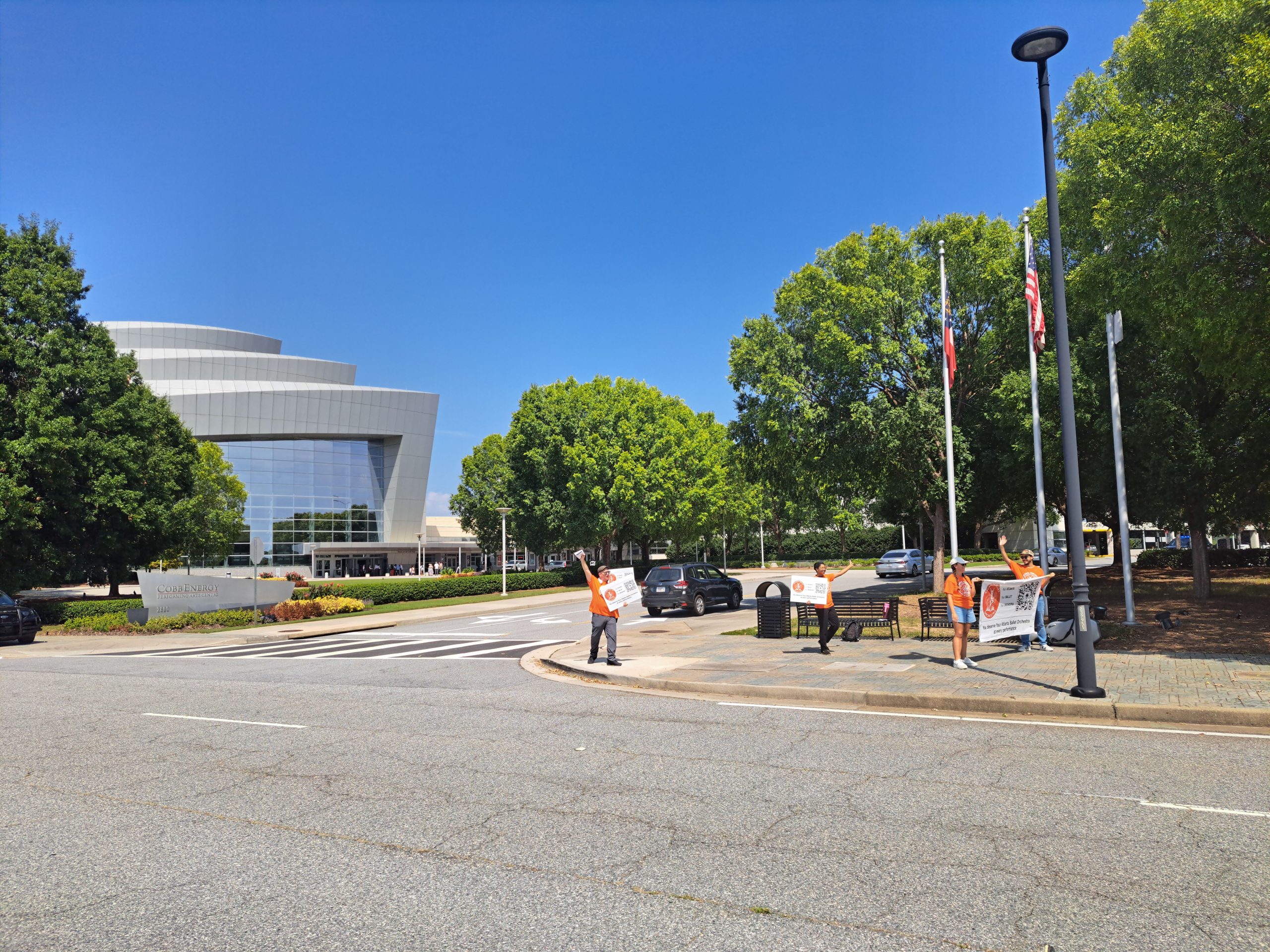
As Atlanta Ballet patrons arrived at the Cobb Energy Performing Arts Centre over the weekend, they encountered something unusual before they even took their seats: musicians from the company’s orchestra stood outside the theater, carrying signs, handing out flyers and making the case for live music.
The protest accompanied Atlanta Ballet’s season-opening run of Passion and Pride, which was performed with recorded music rather than the company’s live orchestra. The musicians say Atlanta Ballet has sharply reduced the orchestra’s role this season, and they spent months trying unsuccessfully to persuade the company to restore live accompaniment for the production.
“We want to play, but we are being told that we are not needed to play,” said Alana Bennett, a cellist with the Atlanta Ballet Orchestra, who was among the musicians outside the theater Saturday.

Bennett said live musicians bring an energy to a ballet performance that a recording cannot replicate.
“There’s more energy, the dancers feel it, everything is better because we have all these artists in the space,” she said.
The musicians, members of the Atlanta Federation of Musicians Local 148-462, announced the protest in a September 18 release. They said they wanted to make audiences aware that recorded music was being used for Passion and Pride and encourage patrons to support live music at Atlanta Ballet.
This weekend’s Passion and Pride was a mixed program of three works: Remi Wörtmeyer’s Significant Others, set to music by Fanny and Felix Mendelssohn; Melissa Hough’s world premiere Plagued Houses, inspired by Romeo and Juliet and set to Tchaikovsky; and George Balanchine’s Stars and Stripes, set to marches by John Philip Sousa.
Bill Johnston, secretary-treasurer of the Atlanta Federation of Musicians, said musicians learned in spring 2026 that the orchestra would not be used for the production. He said they spent about six months trying to get the decision reversed before turning to a public protest.
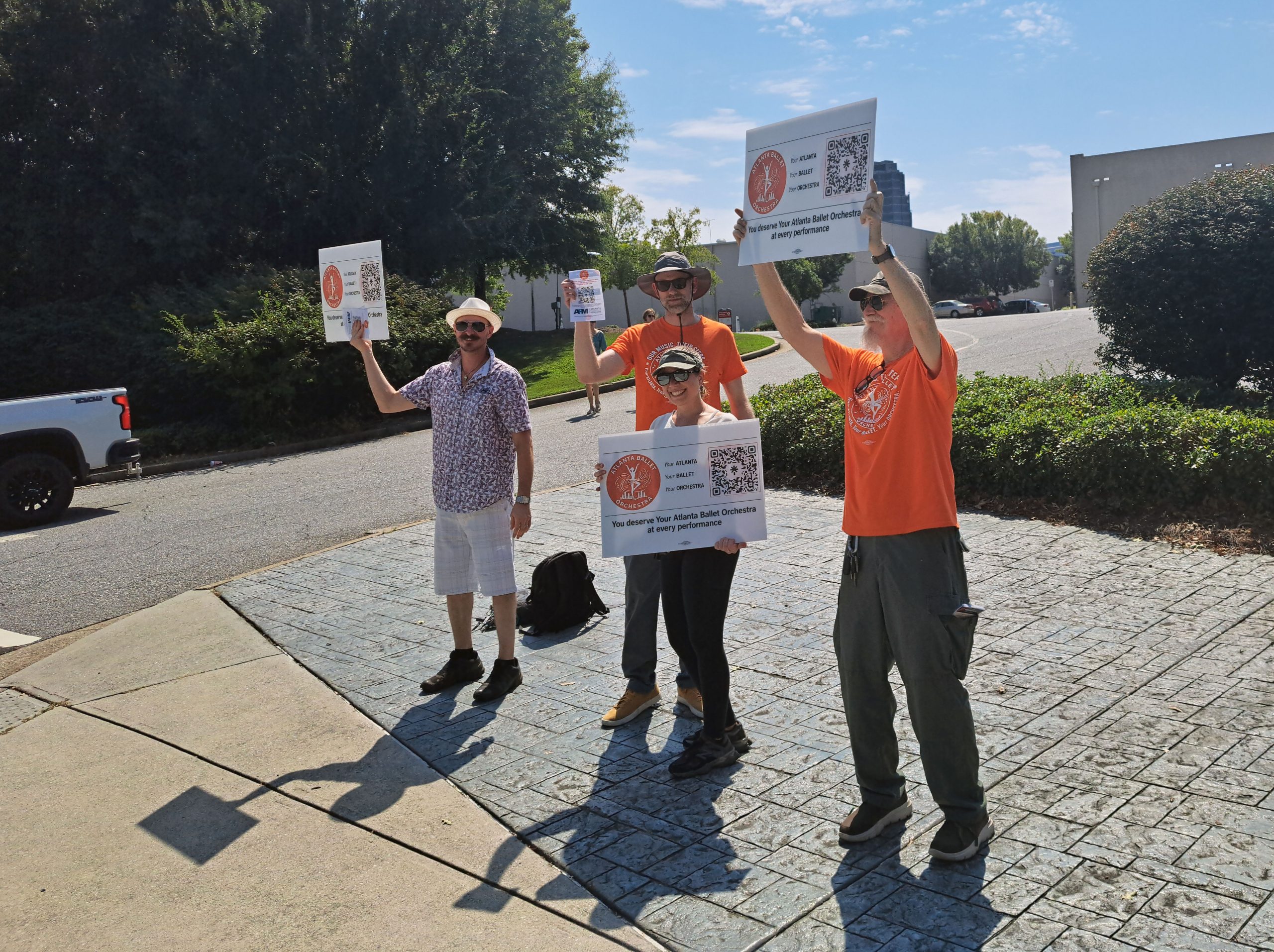
“This is not a strike,” Johnston said. “We wanted to let the public know.”
Johnston said the union believes Atlanta Ballet has not received enough philanthropic support to sustain the orchestra at its previous level. Atlanta Ballet said it decided to focus its orchestra services this season on the four-week run of The Nutcracker and the five-performance run of its newly created Swan Lake to balance “artistic goals with available resources.”
“We recognize the powerful role live music plays in the ballet experience, and we have a deep appreciation for the musicians and the artistry, passion and excellence they bring to every performance,” the company said in a statement provided to Atlanta News First. “Our commitment to the orchestra, our artists and the audiences who cherish these performances remains strong.”
Johnston said the arrangement represents a significant reduction in the orchestra’s role. He said the current season has the orchestra playing fewer productions than it has in roughly the past two decades. The orchestra has 48 positions, he said.
The musicians are not asking audiences to stay away from the ballet. Johnston said they instead hope patrons will donate to Atlanta Ballet and tell its leadership that live music matters to them.
Bennett also emphasized the working lives of many of the orchestra’s musicians. Many are freelancers who teach or perform with other ensembles to make a living, she said, and the Atlanta Ballet contracts alone do not provide enough work to support them.
“We would love to be able to spend our time in one institution if we could,” Bennett said.
The dispute echoes an earlier controversy at Atlanta Ballet. In 2006, the company eliminated its orchestra as a cost-cutting measure, a decision that generated considerable controversy. By 2009, then-executive director Barry Hughson had reached an agreement with the Atlanta Federation of Musicians to bring the orchestra back for select performances. A one-year, $200,000 gift from ballet trustee Patti Wallace helped make that arrangement possible, according to a 2009 report in the Atlanta Journal-Constitution by ArtsATL co-founder Pierre Ruhe.
Twenty years after that controversy began, musicians are again asking Atlanta Ballet audiences to speak up for the orchestra.
“We want to encourage the public to support live music and support the Atlanta Ballet and support the musicians,” Johnston said.
::

Andrew Alexander is an Atlanta-based writer, editor and arts journalist. A longtime contributor and former senior editor at ArtsATL, his work appears regularly in local, regional and national publications, covering theater, visual art, music, film, dance, literature, and the artists and institutions shaping Atlanta’s cultural landscape.
STAY UP TO DATE ON ALL THINGS ArtsATL
Subscribe to our free weekly e-newsletter.

PLEASE SUPPORT ARTSATL
Your Gift Sustains the Coverage You Count On!
Related Posts