Atlanta author’s film on desegregation is a schooling on race relations, then and now
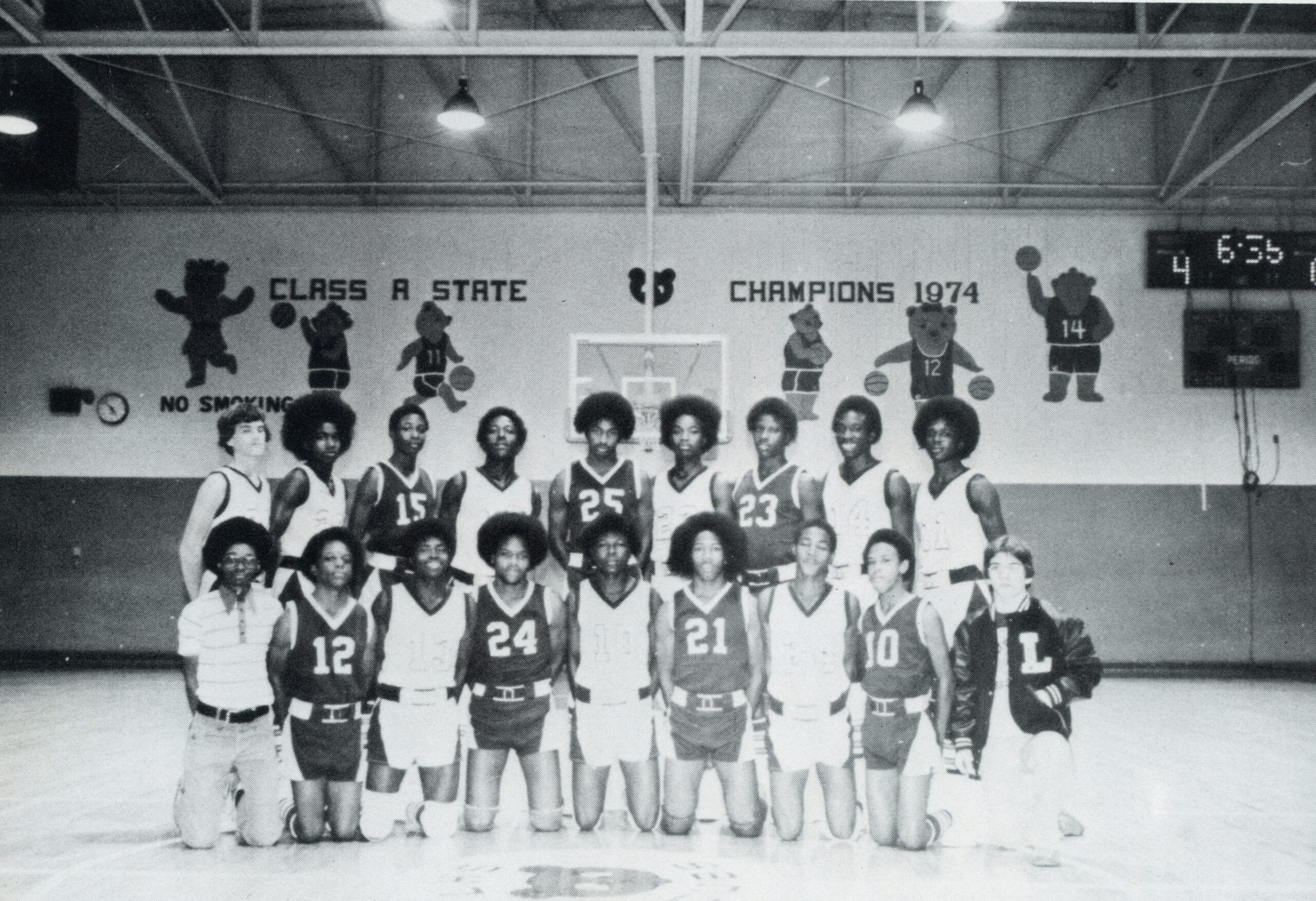
When Douglas Blackmon was 6 years old, living with his parents in Leland, Mississippi, he started school. It was the fall of 1970, and he had no idea at the time he was about to make history as part of the first class in an area experiencing desegregation. For the first time, Black and White students would attend all 12 grades with each other.
The Atlanta author looks back at that time in the new film The Harvest, premiering on the PBS series American Experience on September 12 at 9 p.m.
Last week, Blackmon was part of the Atlanta premiere of the film at the Rialto Center for the Arts, moderated by Dr. Clarissa Myrick-Harris, professor of Africana Studies at Morehouse College. Present were the film’s producers, including Blackmon and Sam Pollard, who was nominated for an Academy Award in 1998 for the documentary 4 Little Girls.
For Blackmon, the decision to make a movie followed a visit to the city for graduation ceremonies 30 years after his own class finished high school. Intrigued by what he saw upon his return, he pulled a camera out of his pocket and began filming and reconnecting with classmates, envisioning them as subjects. When he later reached out to Pollard, with whom he had worked on the documentary Slavery by Another Name (based on Blackmon’s Pulitzer Prize-winning novel) the pair knew there was a story to be told.
Although the Supreme Court’s Brown v. Board of Education decision in 1954 ruled that racial segregation in public schools was unconstitutional — reversing a 1896 decision — not a lot happened immediately afterward in the state of Mississippi or the greater South. In the aftermath, other Southern states were adamant that the ruling was wrong and were intent on finding a way to resist compliance of that order.
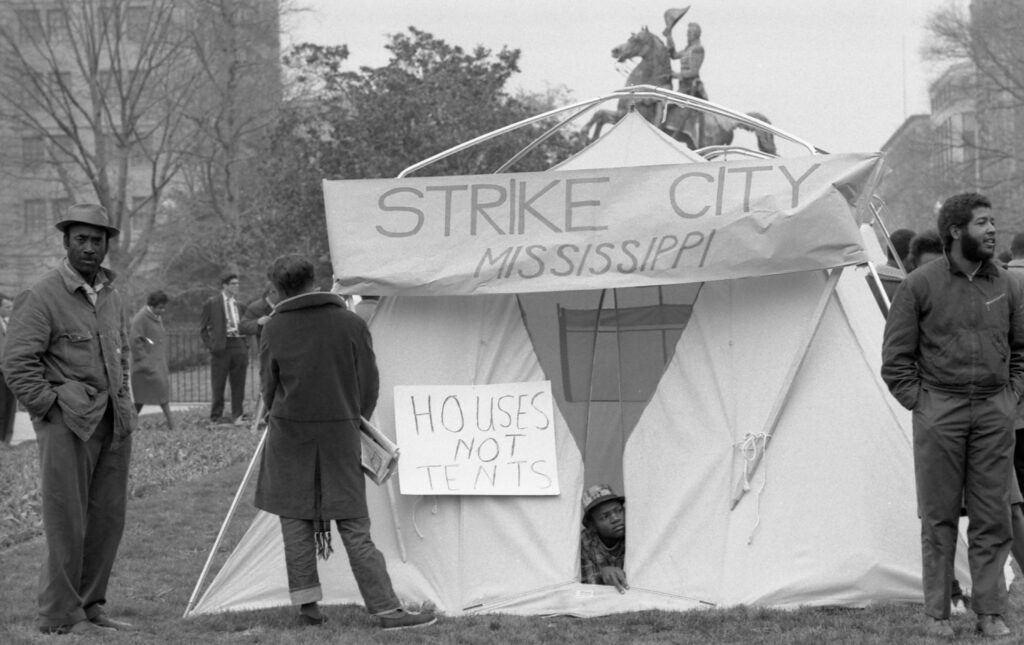
“Although there were events that happened — such as the 1957 crisis at Central High in Little Rock, Arkansas — for the most part, the massive resistance strategy of the South was successful in preventing any significant level of public school desegregation over the next 15 years,” said Blackmon. “It was the Southern states — Mississippi, Georgia and Alabama — finding ways, often in cooperation with each other, to appear to be attempting to comply but in reality never actually winding up with children of different races ending up together.”
It was only on Oct. 29, 1969, after lawsuits had been filed against 30 Mississippi school districts, that a higher court ruled that schools in Mississippi had to desegregate immediately.
Blackmon’s class was largely unaware of the situation. “We were just starting school, along with the excitement that comes with that. I was an adult before I was aware we were the first class.” In retrospect, he does recall finding it unusual to go to an overwhelmingly African American school whereas his church, Boy Scouts and Little League baseball events were all with White children who attended private schools.
The author, also a subject in The Harvest, looks at desegregation as a huge positive for White classmates. “It introduced us to the real America, the real direction that the country was going. We were becoming a multiracial society in which not everyone looked the same and we’d be engaging in work together and thriving. We were learning how to interact with each other, understand, adapt and discover we had different kinds of backgrounds. For the African American kids, I think there was a similar benefit.”
The loss of the Black schools, however, was something a lot of people did not appreciate then and today. According to Blackmon, there’s a lack of appreciation of how important those schools were in terms of providing a refuge for African Americans, and the losses had a traumatic effect on some people.
These days, according to Blackmon, Leland is still a small farm town in the middle of Mississippi, with a population of 5,000. The city is not as economically depressed as some other farm towns but is a shadow of what it once was in the 1960s.
From time to time, he’ll have conversations with White colleagues whose children are recent graduates of Leland’s current public schools. “I find that those are oftentimes good people who do not have the deeply racist views that their grandparents had 50 years ago, but they also live in a false reality. They think because their high school started having a handful of Black kids or a few Indian kids, they are in total denial of why their school was (around).”
Reuniting with his Leland classmates was one of the profound aspects in making the
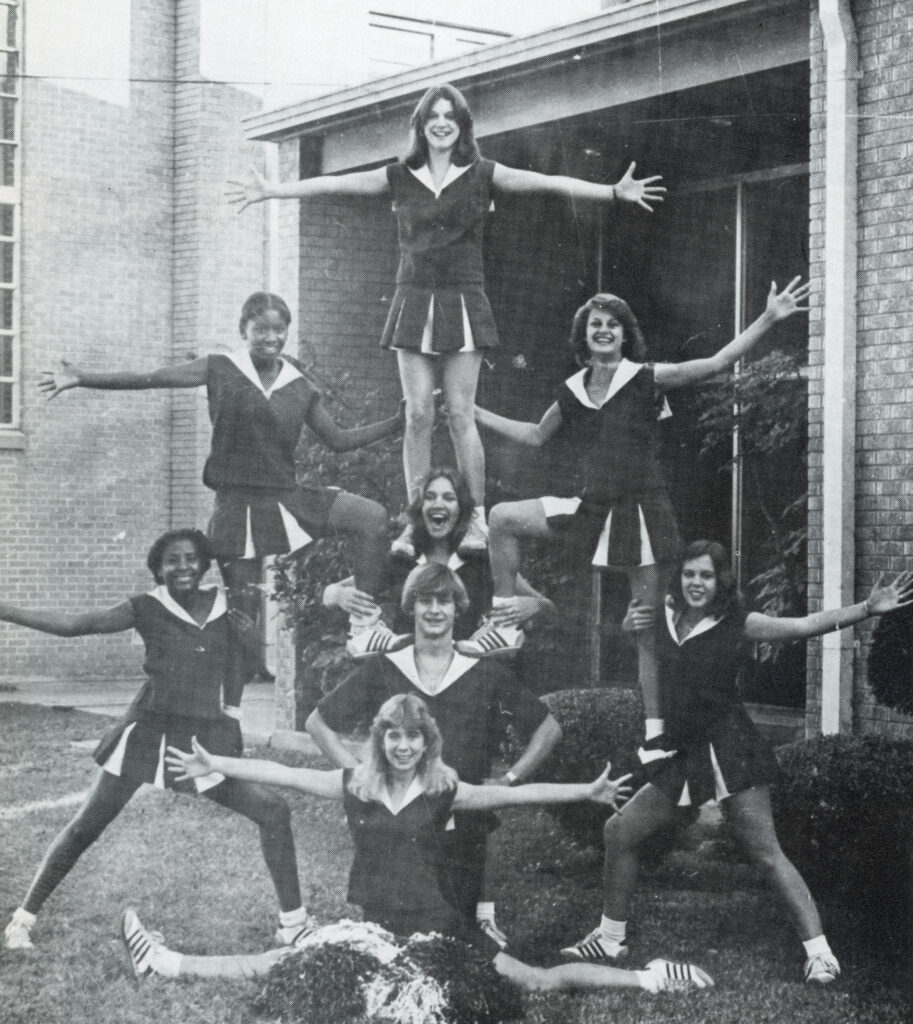
film. At one point early on, Blackmon was afraid he and Pollard were making a film about a corpse. School integration had failed and had gone back to being what he refers to as “separate but kind of equal.” “The public schools are 99.9% African American and 100% of the white kids go to the public schools.”
As he began working on the film, he realized some of his classmates who had stayed, mostly Black, were prominent in their community. One ran for the school board, another became a police chief and another was hired as the school superintendent. “I realized that my classmates were stepping into the same kinds of roles our parents did in the late 1960s, and we are still faced with — in many respects — the same set of problems our parents were.”
Blackmon and Pollard began their journey with the film 10 years ago, and neither man had a clue it would take such a long time. Yet Blackmon said it’s a perfect time for the launch. Some people have concluded that since problems in America around race, poverty and income inequality still exist, what was done in the past didn’t work.
“Like public school integration is not that important — like that is a conversation of another era. I think that is the exact opposite of reality,” he said. “One of the reasons we still have the divisions we have today is because of the failure of public school integration. Schools are the one place we can all be together and try to affect the values and characters and fabric of our society. That has always been the case.”
::
Jim Farmer is the recipient of the 2022 National Arts and Entertainment Journalism Award for Best Theatre Feature and a nominee for Online Journalist of the Year. A member of five national critics’ organizations, he covers theater and film for ArtsATL. A graduate of the University of Georgia, he has written about the arts for 30-plus years. Jim is the festival director of Out on Film, Atlanta’s LGBTQ film festival, and lives in Avondale Estates with his husband, Craig, and dog, Douglas.
STAY UP TO DATE ON ALL THINGS ArtsATL
Subscribe to our free weekly e-newsletter.

PLEASE SUPPORT ARTSATL
Your Gift Sustains the Coverage You Count On!
Related Posts