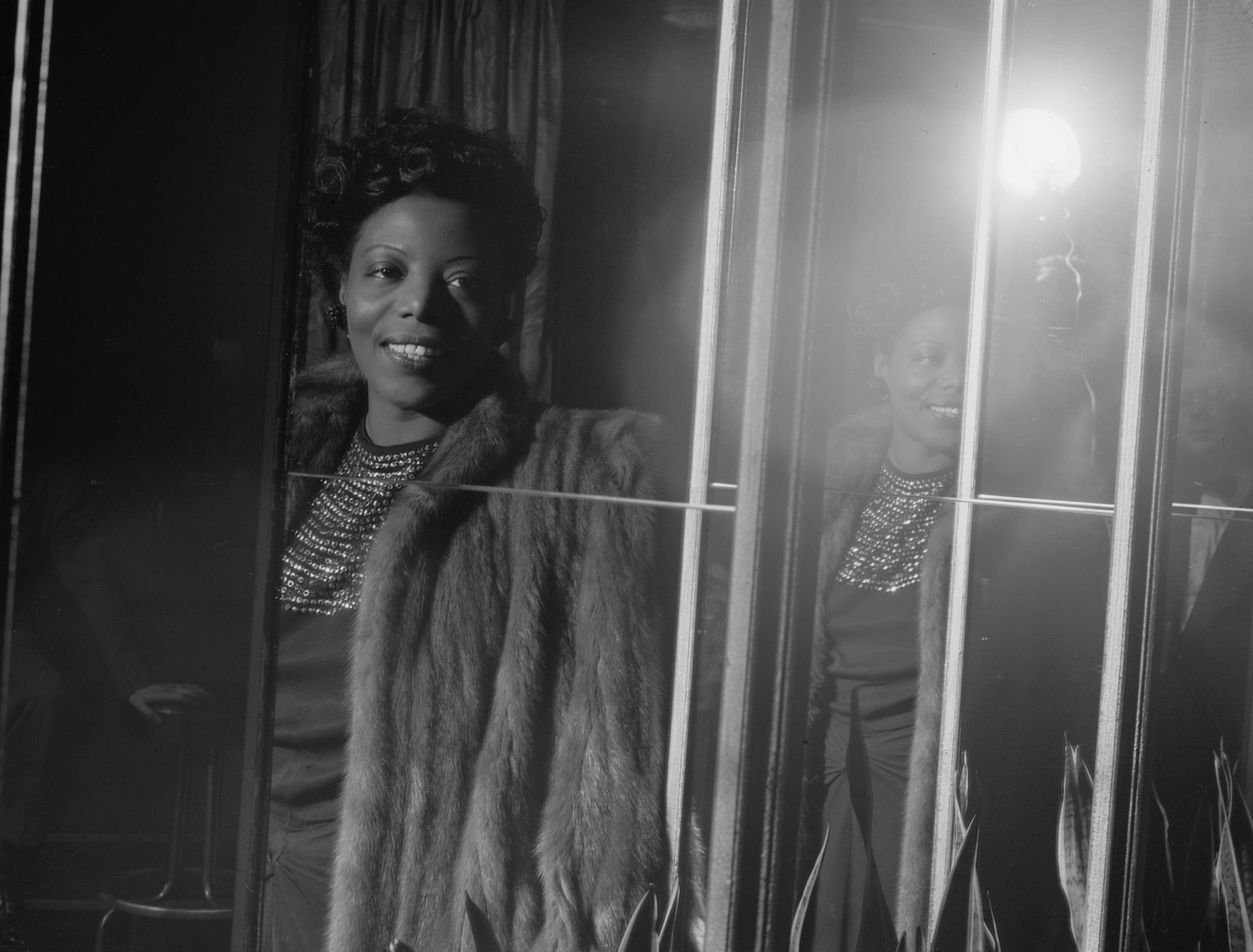
A celebration of the life and music of Atlanta’s Mary Lou Williams
Born Mary Elfrieda Scruggs in Atlanta on May 8, 1910, Mary Lou Williams was one of the most influential jazz musicians in the history of the American art form. Equally gifted as a pianist, composer, arranger and educator, Williams was probably the only jazz musician whose contributions spanned almost the entirety of the music’s development from the 1920s until her death in 1981.
On Saturday, May 3, Mary Lou Williams will be honored as a native-born Atlantan and outstanding American artist in a musical ceremony at the Wylde Center’s Edgewood Garden, where an official wayside marker describing her place in history has been installed. The tribute to Williams represents mission accomplished by local jazz musician and composer Jeff Crompton.
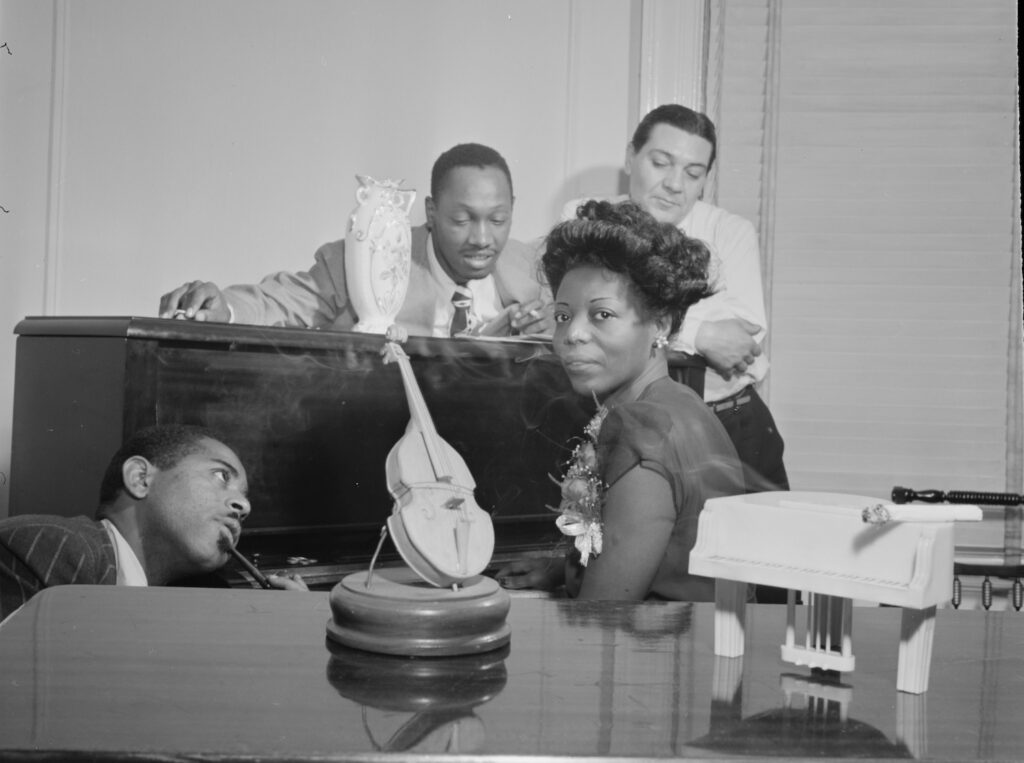
“I’m lucky enough to have heard her perform once, at the 1980 Atlanta Jazz Festival,” says Crompton. “Between songs, she announced from the stage — I think her exact words were, ‘This is my home, you know, I was born here.’”
Decades later, Crompton read a biography of Williams by Linda Dahl titled Morning Glory. In the book, Dahl relates how the family identified the street in Atlanta on which Williams was born as “Gotsipling Street.” Curious about its exact location, Crompton searched various archives without success until he found an old map of the city, which showed a one-block-long avenue called Gossypium Street (Gossypium being a genus of cotton). The street was about a block away from the site of Beulah Baptist Church, where Mary Lou Williams first touched a keyboard on an organ that her mother, a classically trained pianist, played on Sundays and special occasions.
“I contacted Linda and we agreed that this must be the street!” says Crompton, excitement still detectable in his voice.
When Williams was 4, the family moved to Pittsburgh, Pennsylvania. A prodigy with perfect pitch and the ability to play anything from memory, Williams quickly became known as “the Little Piano Girl” who performed house recitals in neighborhoods around the city.
“With some justification, Pittsburgh claims her, but her musical journey started right here in Edgewood,” Crompton says.
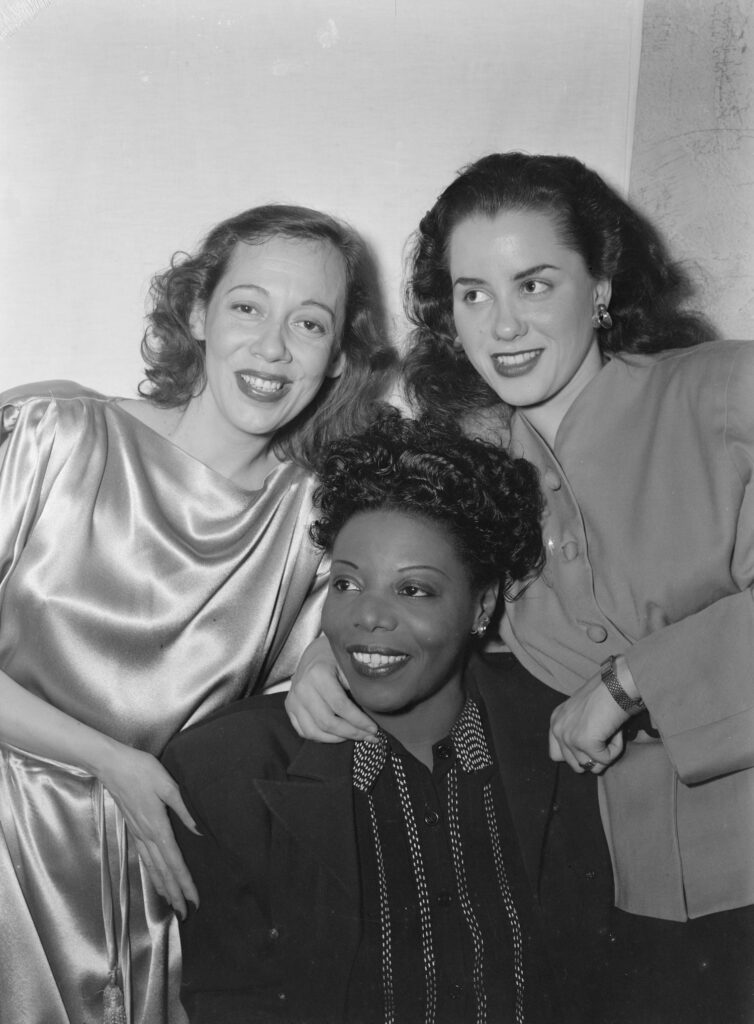
While never a household name, Williams was initially lauded within the jazz community during the 1930s and ’40s for her prowess as a soloist and her brilliant arrangements, which shaped the swinging sound of popular big bands led by luminaries such as Duke Ellington, Louis Armstrong, Tommy Dorsey, Benny Goodman and Cab Calloway. An early advocate for bebop, Williams was invited by Dizzy Gillespie to play with his big band at the 1957 Newport Jazz Festival.
A late convert to Roman Catholicism, in the 1960s and ’70s Williams composed sacred music including hymns and masses. She produced a lecture-recital called The History of Jazz. An enterprising, strong-willed artist, Williams founded her own record and publishing companies. She wrote hundreds of compositions and arrangements and recorded more than 100 albums. In her last years, Williams served as artist-in-residence at Duke University.
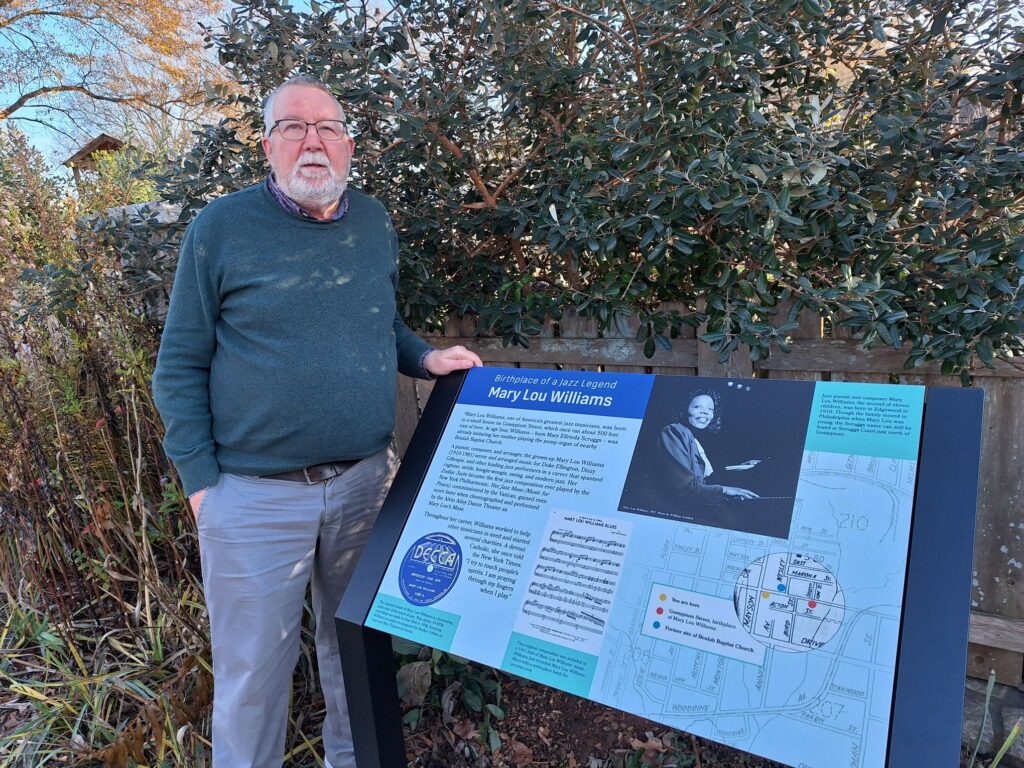
Although designing, constructing and finding a suitable spot for the Williams wayside marker was fairly straightforward, the process took around two years to complete. It’s not one of those weighty, dark-colored, etched metal signs typically found at Civil War battle sites. Instead, the marker is a colorful horizontal sign about 3-by-4 feet in size containing a striking black-and-white photo of the artist seated at the piano; sheet music for “Mary Lou Williams Blues”; a Decca record label for “Swingin’ for Joy” (one of the composer’s best known works); historical information; and an explanation for the marker’s locale.
“Ms. Williams was born and raised in a home just yards from our Edgewood and Coan Gardens,” said Gordon Dyker, site coordinator for Wylde Center, an Atlanta-area nonprofit that manages five urban green spaces. “The marker was a natural fit given the proximity to the house and our commitment to promoting the vibrantly evolving and deeply historic Edgewood community.”
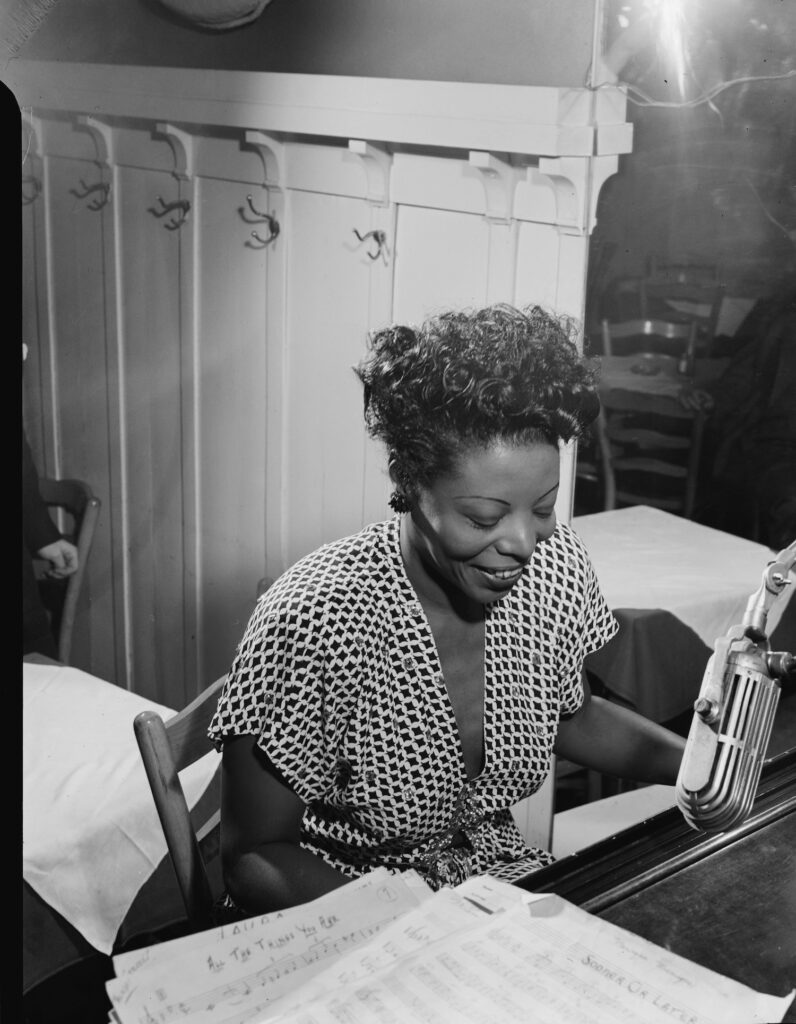
For Saturday’s celebration, Crompton will lead an ensemble comprising himself on saxophone and piano, Colin Bragg on bass, Kenito Murray on drums, John Arthur Brown on percussion and vocalist Timothy Parrott. The concert program will include works from various periods in Williams’ extensive career, such as “Scratchin’ in the Gravel” (Andy Kirk big band, 1940s); “Lonely Moments” (recorded by Benny Goodman); “Taurus” (from Zodiac Suite); “Rosa Mae” (1970s funk blues); and “My Mama Pinned a Rose on Me” (blues from the composer’s later years).
Outside of jazz enthusiasts and academic circles, Williams’ contribution to the history of jazz and contemporary music generally is largely unheralded. In a modest but meaningful way, the wayside marker signifying her place of birth succeeds in addressing a historical oversight.
“It’s my hope that Atlantans and especially Edgewood residents will gain awareness and appreciation of the genius who was born here,” says Crompton.
::

An Atlanta native, Doug DeLoach has been covering music, performing and static arts in his hometown and beyond for five decades. Doug is a regular contributor to Songlines, a world music magazine based in London, and his ruminations on arts and culture have appeared in publications such as Creative Loafing, Georgia Music, ArtsGeorgia, The Atlanta-Journal Constitution, High Performance and Art Papers.
STAY UP TO DATE ON ALL THINGS ArtsATL
Subscribe to our free weekly e-newsletter.

PLEASE SUPPORT ARTSATL
Your Gift Sustains the Coverage You Count On!
Related Posts