

Why poet and illustrator Sean Fahie is an open book
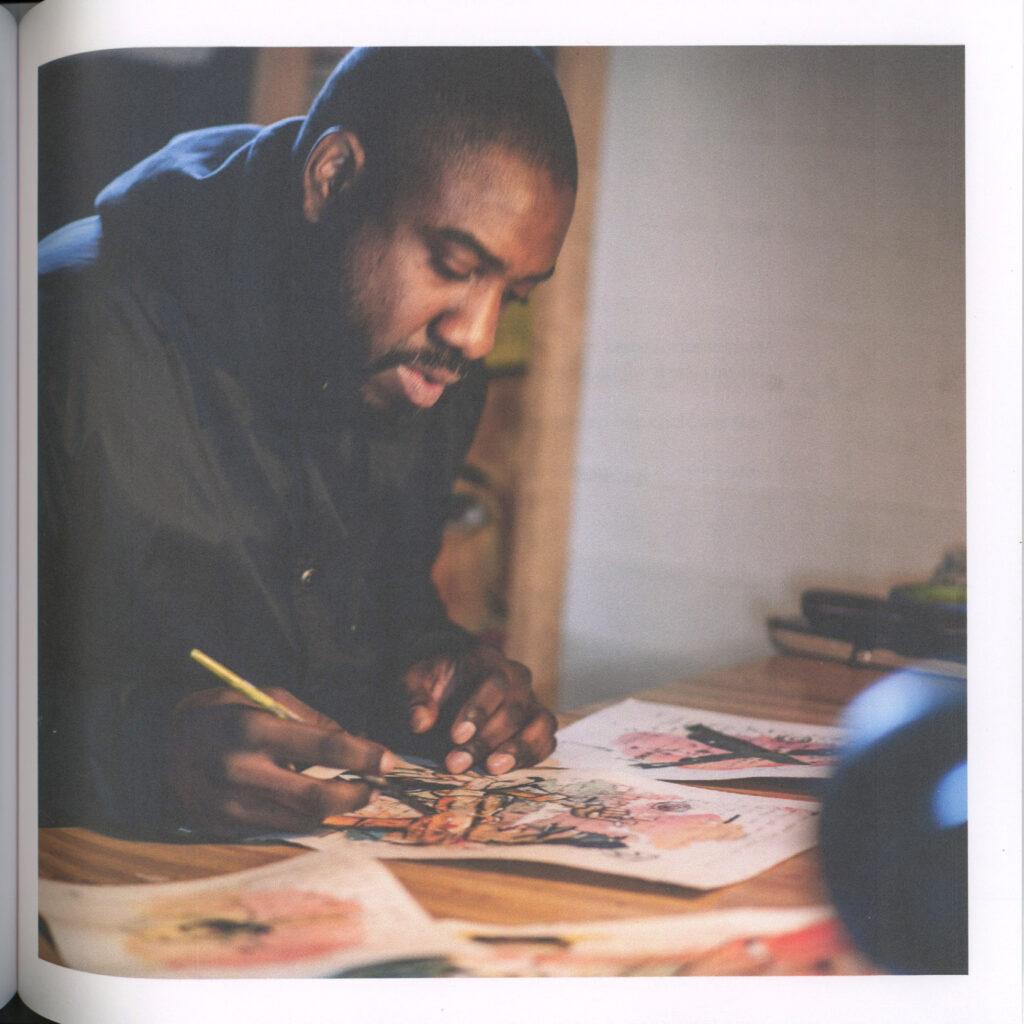
Like a lot of meaningful art, Sean Fahie’s four books of poetry and visual artwork are the result of picking apart things that didn’t work: failed relationships, a halting career, the bewildering process of being human in the modern world. Somehow through all of this, however, Fahie (rhymes with “toy”) manages to keep his sense of wonder intact. When you talk to him, it’s clear he’s always looking for reasons to laugh, which he does often and heartily.
“Email me, DM me if you like it,” he says to those who might buy his book. But then before breaking into laughter, he adds: “Even if you don’t like it! There’s always room for improvement.”
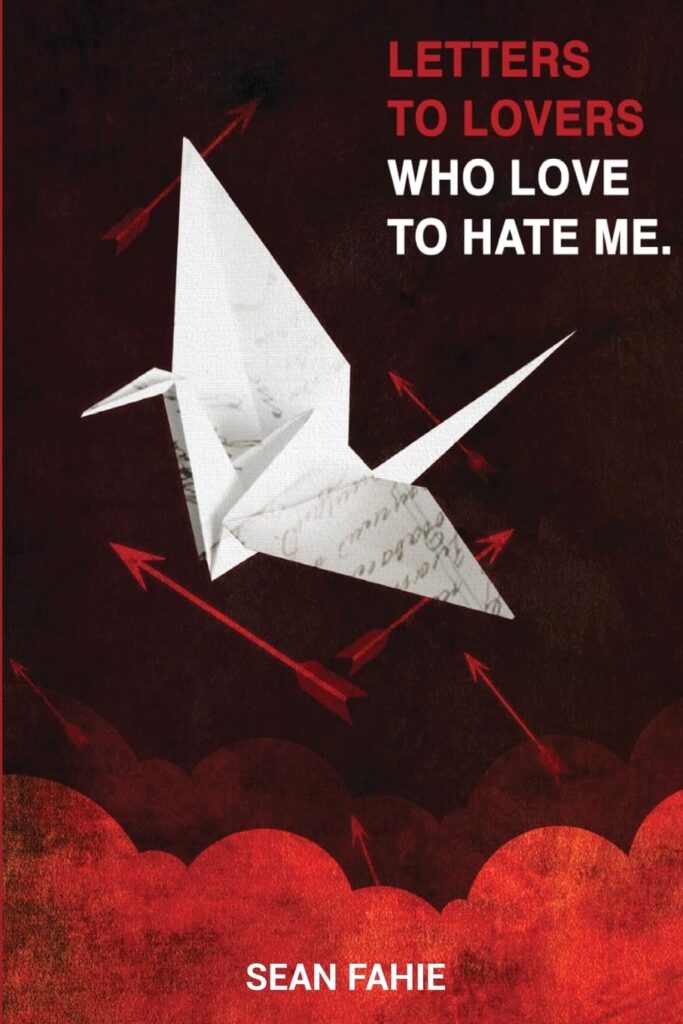
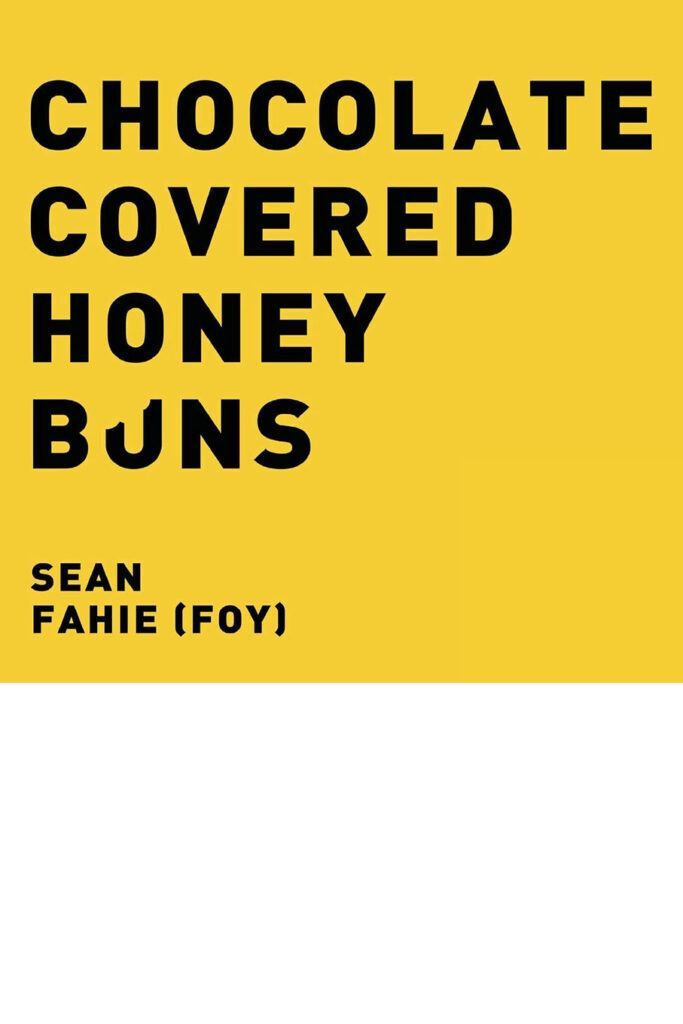
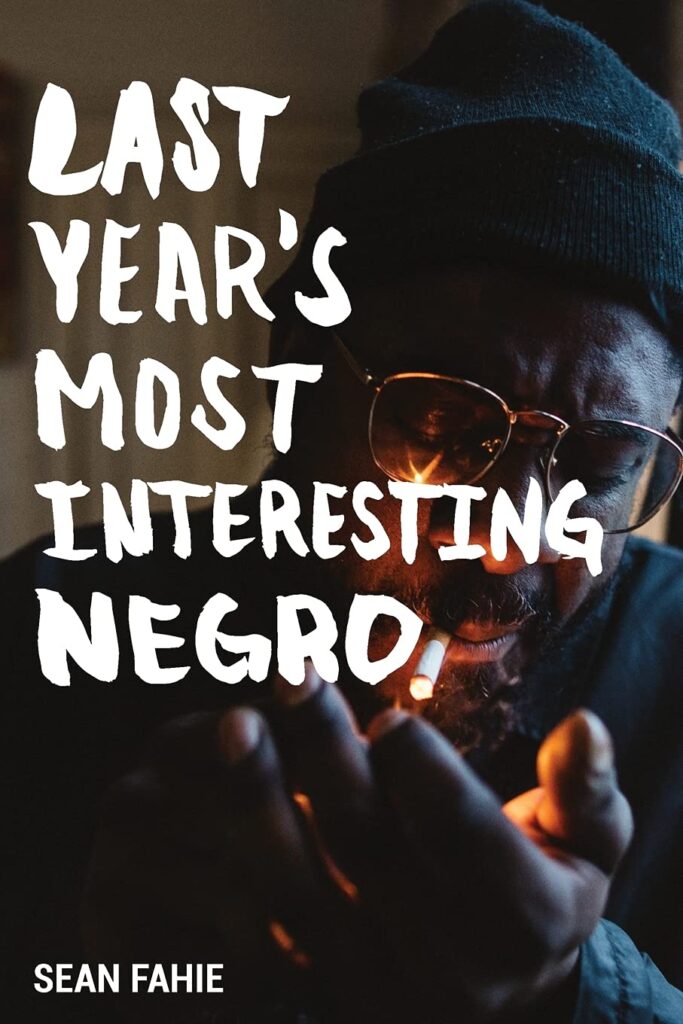
Fahie, now 41, has spent the last 12 years documenting what it’s like to be alive in the opening years of the 21st century — as a man, as an African American, as an Atlanta transplant and as an artist. Everything he’s learned (and a few things he’s forgotten) has been distilled in four recently re-issued books: Things About Women & Other Short Stories I Seem to Forget (2013); Letters to Lovers Who Love to Hate Me (2014); Chocolate Covered Honey Buns (2018); and Last Year’s Most Interesting Negro (2021). All four have been re-issued and are available through the lifestyle brand Mansfield Outpost.
Born in St. Croix, Virgin Islands, Fahie migrated to Georgia with family after Hurricane Hugo in 1989. He grew up in Augusta and attended school in Savannah, receiving degrees in both graphic design and illustration.
Each slim and efficient book captures a different era in Fahie’s life, from being a hapless 20-something-year-old fresh off the wreckage of a broken relationship to a man on the cusp of middle age processing a world changed by the Covid-19 pandemic and a summer of social unrest.
Each time capsule, he says, represents himself but also portrays a version of himself that no longer exists. “Books encapsulate a moment in time,” he says, “but you are no longer that person. I am no longer those Seans, even with the last book.”
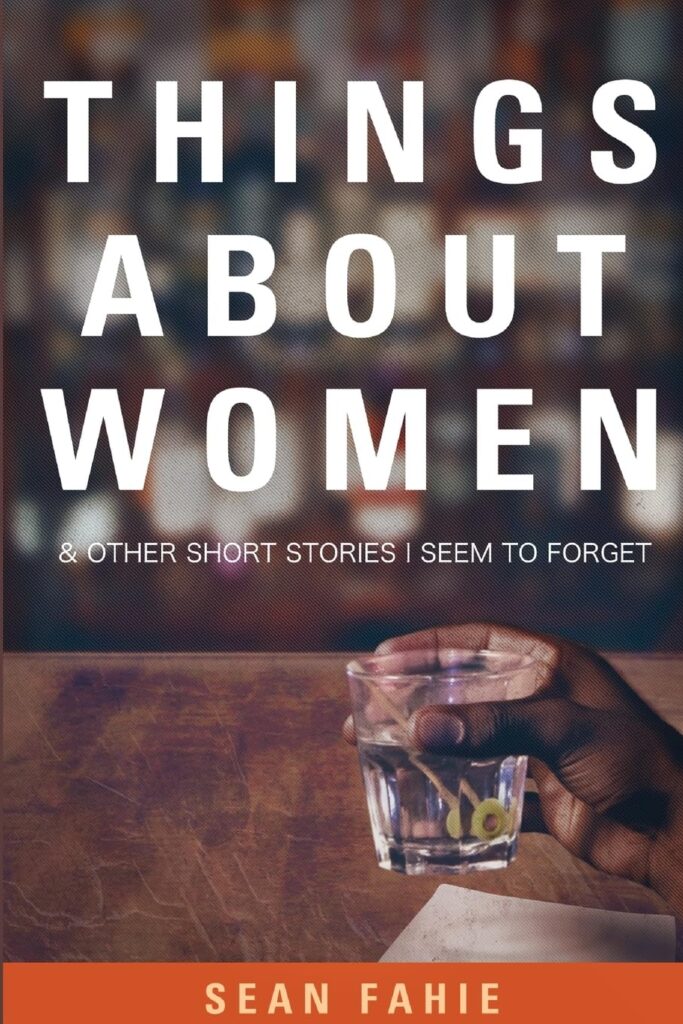
Things About Women & Other Short Stories I Seem to Forget focuses on the earlier years fumbling through the Atlanta dating scene and art world after the breakup of a romantic relationship. The Sean Fahie we meet here is full of the confidence of youth, almost painfully earnest in the belief that even if things are confusing or hard, the world must ultimately be a reasonable place that responds to our efforts to arrange it the way we want it.
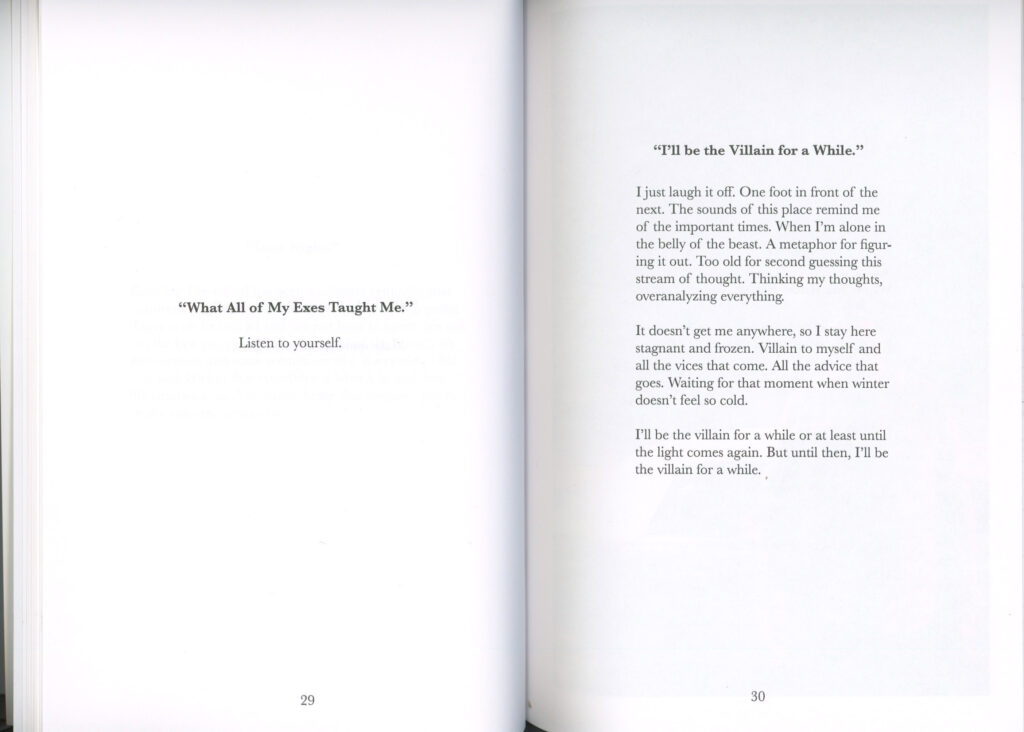

These illusions begin to fall away in Letters to Lovers Who Love to Hate Me. Structured in parts as a series of letters to and from aspects of himself, the book charts the vertigo of self-examination and the monumental effort of separating a child self from an adult self.

2018’s Chocolate Covered Honey Buns also came from a romantic breakup and garnered Creative Loafing’s “Best Local Author” award for that year. It was with this book that Fahie says he finally felt comfortable as a writer. “I can write. I can tell stories,” he says.

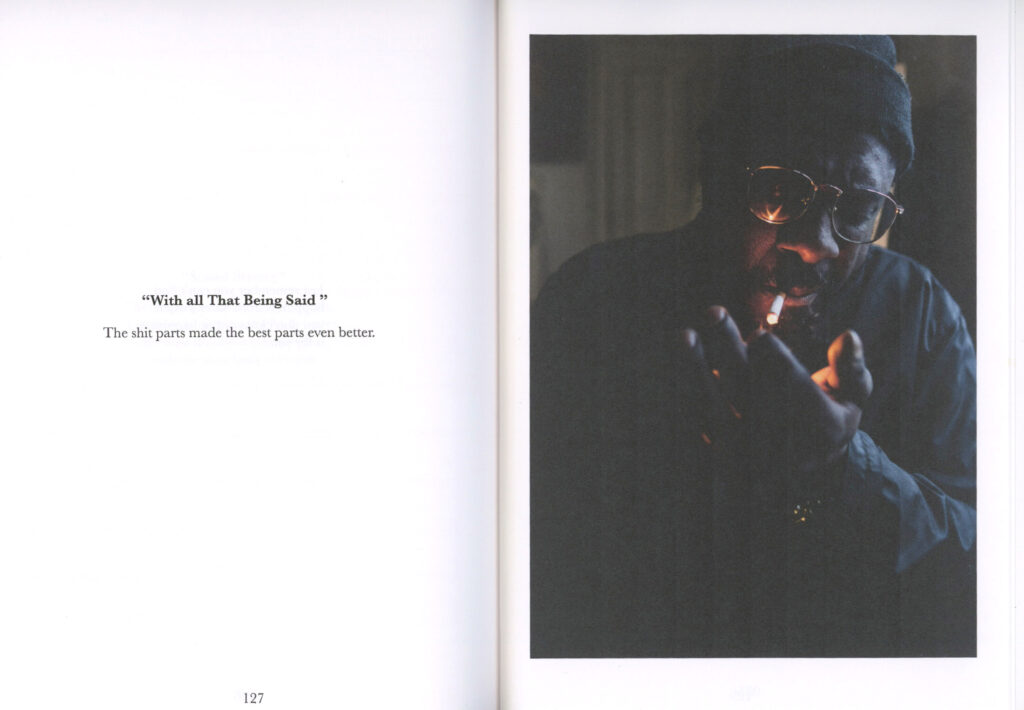
Last Year’s Most Interesting Negro, written at the onset of the pandemic, was Fahie’s effort to metabolize a world that had suddenly shifted radically, even as the people in that world were all the same people. The title is a reference to the time of George Floyd and to the way in which things start out as today’s hot issue only to be relentlessly pushed off the front page and out of awareness when the next controversy comes along.
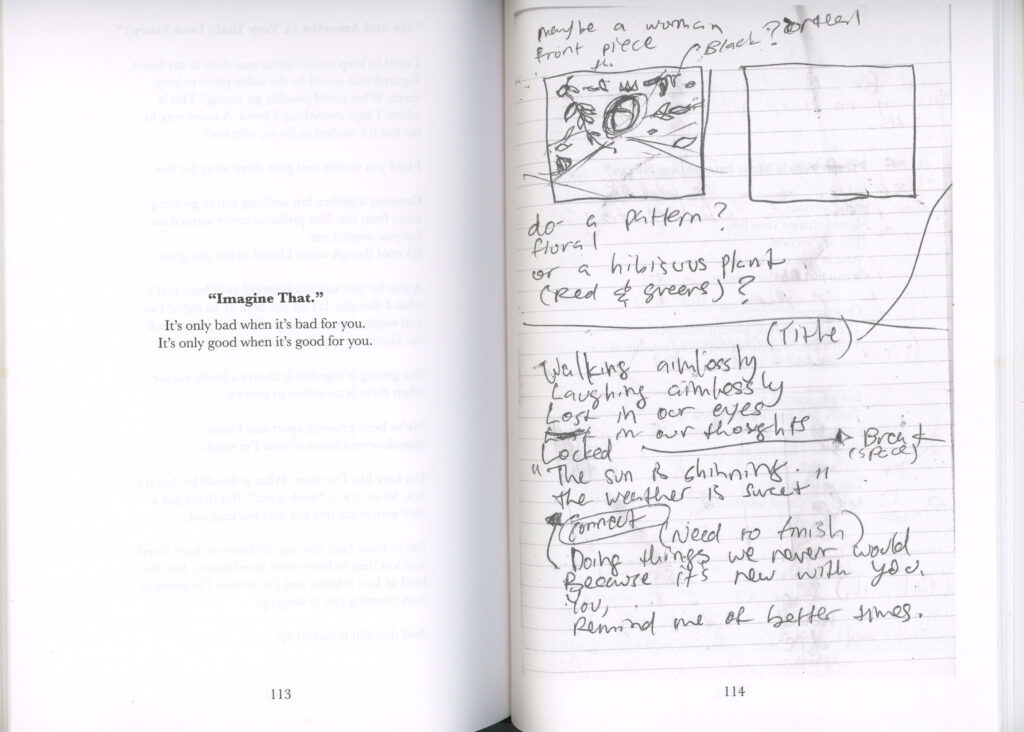
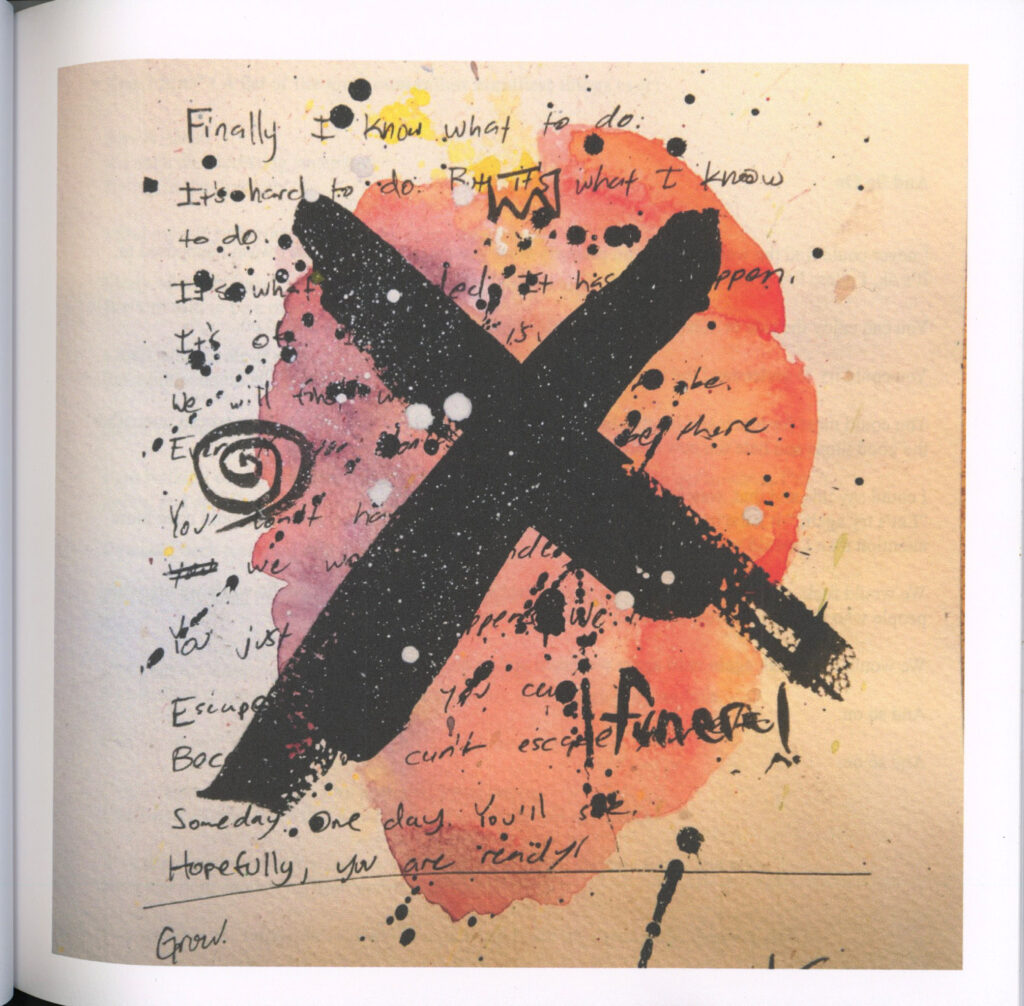
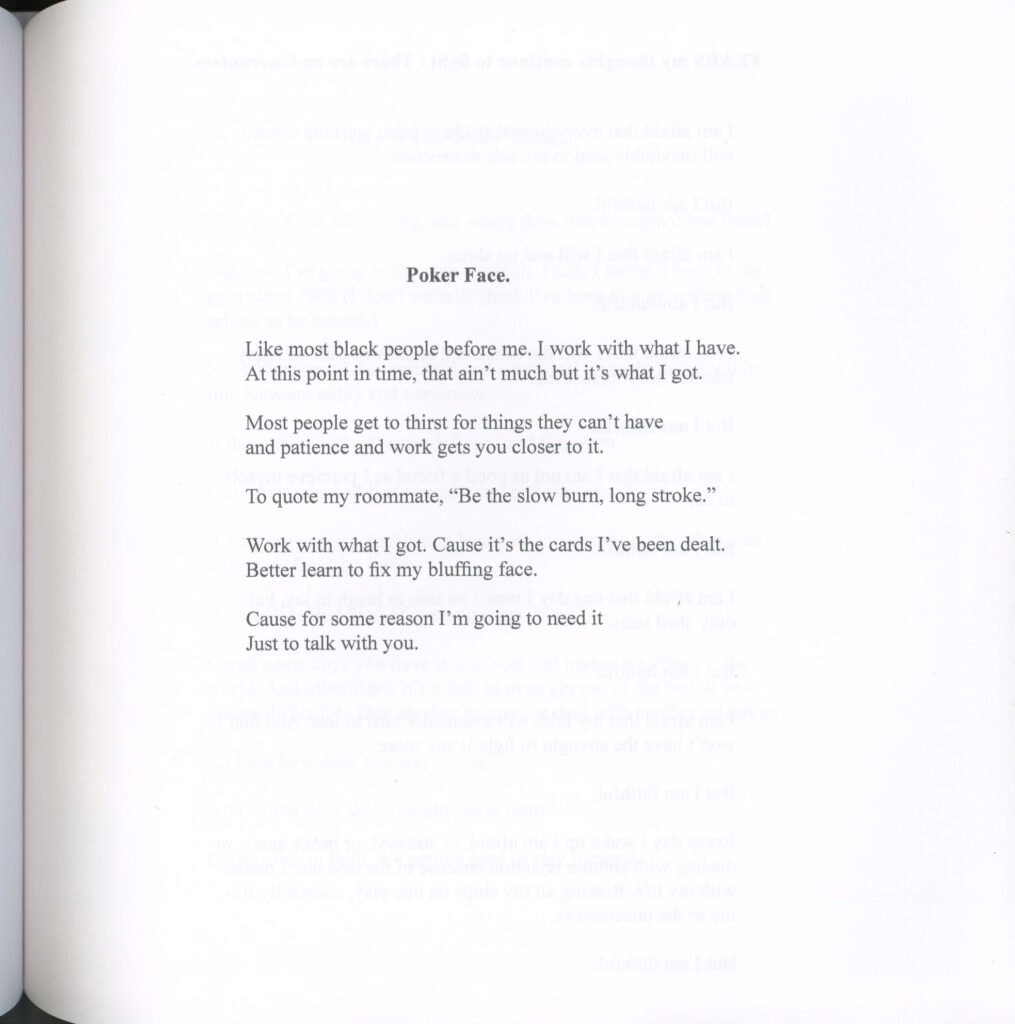
Fahie cites a few sources for his compact and direct writing style: his early practice as a rapper (“a high form of poetry,” in Fahie’s words), the advent of Twitter as a communication medium and the influence of the Beat Poets, especially Charles Bukowski. Reading Bukowski, he says, made him realize, “Oh, you can just write like you talk to people. I can just get right to the meat of things.”
Fahie’s quartet of books chart the trajectory of the first half of one particular life. But they also make a sketch of what it looks like to be constantly looking for oneself, to go from naïve belief to disillusionment and back to believing in a fresh and wonderful world.
“Sometimes I feel like I’m jaded,” he says with a chuckle. “But I still have that zest for life. There are times when I’m disillusioned, but it doesn’t mean that life isn’t just as beautiful.”
::
Cinqué Hicks is Editor-in-Chief of ArtsATL.
STAY UP TO DATE ON ALL THINGS ArtsATL
Subscribe to our free weekly e-newsletter.

