Rochelle Phillips’ artistic research on Atlanta trap culture is woven into Komansé’s ‘10 PIECE’
It has been said that if you pronounce the second “t” in Atlanta, we know you’re not from around here. So welcome to Atlannuh, where the 10 pieces are mild and the peach drinks are almost too sweet.
This weekend, November 13 through November 15, Komansé Dance Theater will premiere 10 PIECE, an evening-length, immersive dance experience that explores another Atlanta fixture: trap music.
Emerging from the ongoing artistic research by choreographer Rochelle Phillips — with additional choreography by Komansé Creative Producer and Company Manager Ta Nycia Wooden and Company Founder and Artistic Director Raianna C. Brown — 10 PIECE invites audiences into the sonic, social and cultural landscape of Atlanta trap, where movement becomes a language of resistance, cultural memory and reclamation.
Through the movement trajectories of seven Black artists — including Bibby Agbabiaka, Jarrod Miles, Joy Gibbs, Kennedy Wright, Kouryan Wiggins, Lauren Oblitey and Rianna Wallace — the production explores individual and collective heroine journeys shaped by rage, dissonance, abandonment, desire, survival and liberation. Set against the backdrop of Atlanta’s club scene, each performer navigates the ongoing tension between personal identity, cultural belonging and the external forces that attempt to define and contain Black existence.

Atlanta is Phillips’ artistic voice, she said. “The whole world feeds off of Atlanta culture.” It is evident in the fashion, the vernacular and the music. Trap music has been popularized by some of Atlanta’s very own. Phillips defines “trap culture” as a double entendre — being trapped in a cycle of systemic violence and creating the art to be released from the trap.
Brown added “innovative” to this definition — trap culture is the alchemy of impossible circumstances and creativity, the glorious defiance of a people who refuse to be silenced.
Resistance has come in many forms for Black folks, from soul food to historically Black colleges and Universities to Black churches. Wooden said that part of trap’s power is people “using their surroundings to get out of their surroundings.” It is a clear representation of the “ingenuity of the people,” she said.
Wooden intends for the production to humanize the people within the culture and not make them out to be superstars or degenerates, alluding to the potentially harmful side effects of Black girl and Black boy magic. It can be easy to forget that there are real people behind the masks, she said.
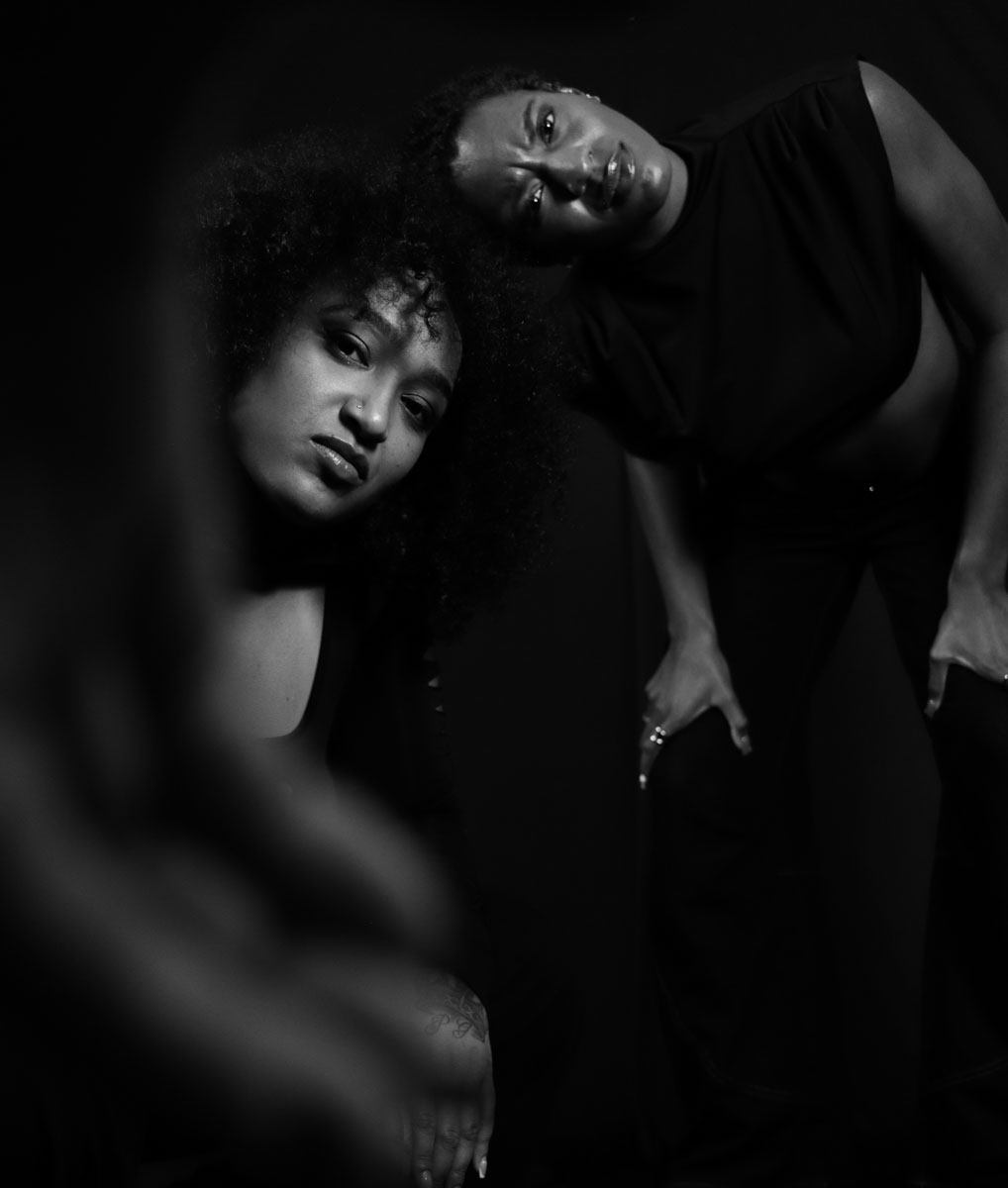
When asked whether they believed trap culture should be amplified and celebrated, Phillips, Brown and Wooden all shared some version of “It’s complicated.”
There are countless examples of the appropriation and commodification of Black culture to be repackaged and sold to the very people from which it originated.
Phillips intends for the audience to investigate and understand the “mental state of the artist.” Because art is never — or at least shouldn’t be — created in a vacuum, it is reflective of its context. Brown hopes that once audiences settle into the storyline of the artwork, they will begin to empathize with the universal topics it addresses.
“You know what it’s like as a human to want to self-actualize and be barred from something,” Brown said. That is trap music. That is trap culture: being denied access to something while creating something entirely new.
Within this world, trap music becomes more than a soundtrack. It functions as an archive, an environment, a provocation and, at times, an antagonist. Its lyrics reveal complex narratives of survival, aspiration, pleasure, violence, loss, misogyny and the relentless pursuit of making something out of nothing — what Atlantans know as “getting it out the mud.”
Rather than rejecting or romanticizing trap culture, 10 PIECE confronts its complexities head-on, examining the ways Black communities celebrate and preserve the cultures they create while navigating the systems that surveil, exploit and commodify them.
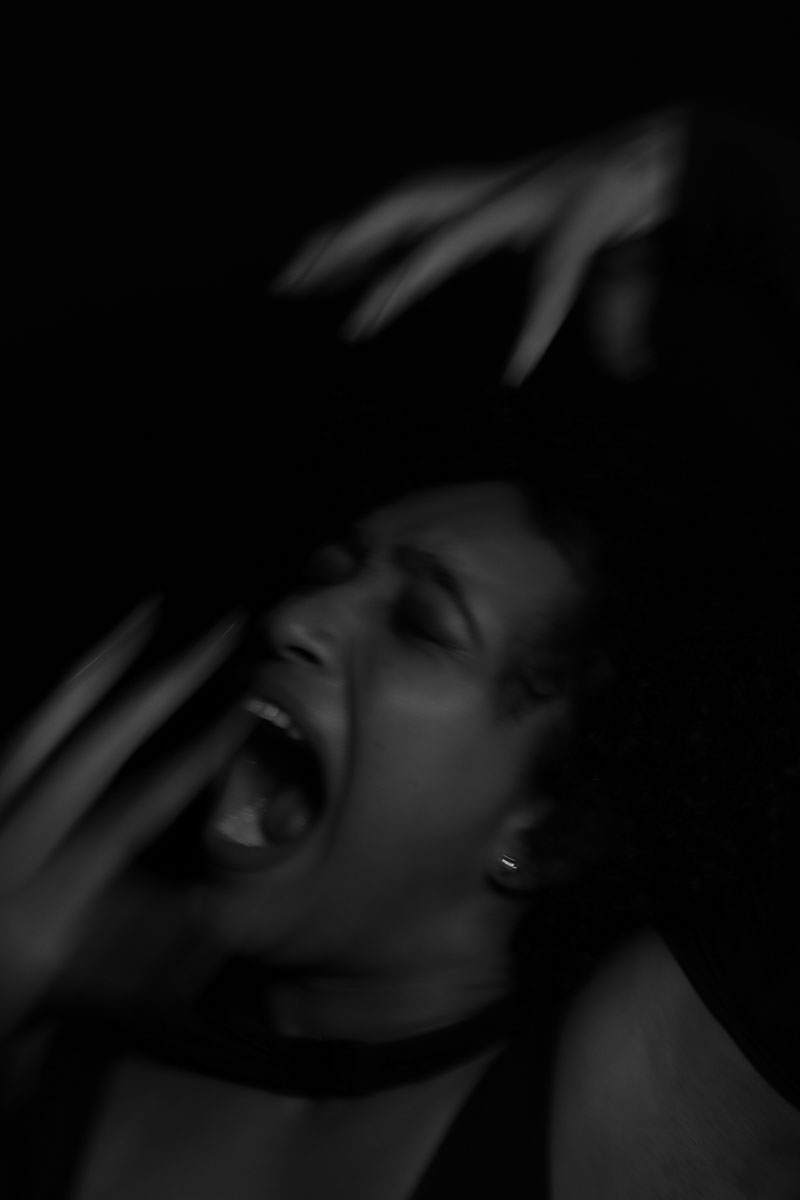
The scenes will feel incredibly familiar to anyone acquainted with Atlanta’s club culture. At a recent rehearsal, one could nearly envision the couches, neon signs and sparklers. The dancers’ movements oscillated between casual and playful, targeted and precise. It was striking to see contemporary movement against the backdrop of trap music.
“The movements are not divorced from the music or the experience,” said Brown, who wants audiences to consider what collective freedom looks like in our current landscape.
This begs the question: What exactly are we expecting from Black bodies in any given context? How are their movements policed? How are their expressions of joy criticized?
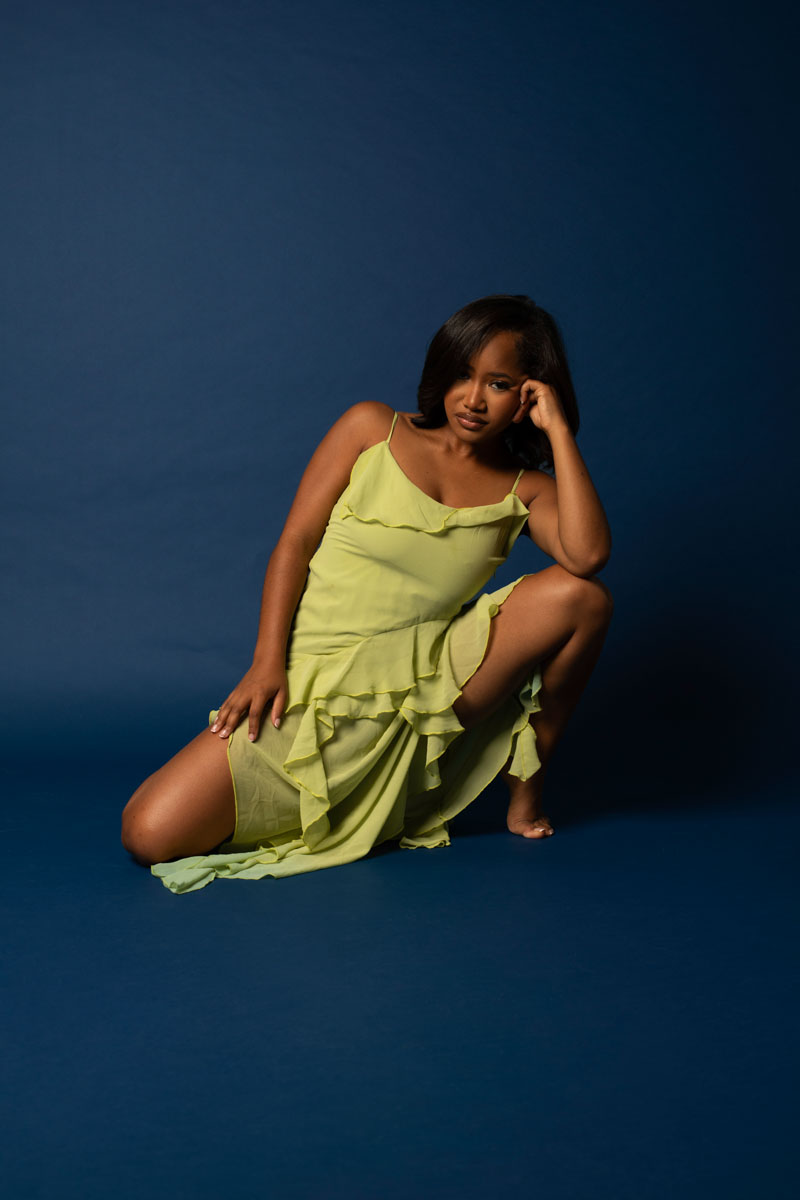
The production marks the third iteration of Phillips’ ongoing choreographic research investigating Atlanta trap music as a lens through which to visualize Africanist aesthetics embedded within modern and contemporary dance forms. Brown hopes that audiences will be able to see the immense amount of research Phillips has done to produce this piece with authenticity and integrity.
The work is grounded in athletic physicality, improvisation, rhythmic complexity and embodied storytelling. It challenges audiences to ask whose movement, music and cultural histories are valued within concert dance.
As the choreographer-in-residence, Phillips takes her responsibility as the driver of the story seriously. She hopes audiences will walk away with a new perspective of the artists who create the music we party, riot and grieve to. She wants audiences to explore the tension between survival and artistic expression.
Komansé Dance Theater’s 10 PIECE will take place at The Paideia School (1509 Ponce de Leon Ave. NE) November 13 through November 15. Due to the mature nature of the production, parental advisory is suggested. Younger audiences are welcome to attend the Saturday, November 14, matinee show at 2 p.m. Tickets can be purchased here.
::

Joy Liburd studied dance at the Conservatory of Dance and Fine Arts in Decatur. She was a member of the Zankiliwa African Dance Troupe and the Carolina Tap Ensemble during her undergrad tenure at the University of North Carolina at Chapel Hill. Liburd, who taught ballet and tap at Jacksonville Arts and Music School in Florida, received her master’s in creative business leadership at the Savannah College of Art and Design.
STAY UP TO DATE ON ALL THINGS ArtsATL
Subscribe to our free weekly e-newsletter.

PLEASE SUPPORT ARTSATL
Your Gift Sustains the Coverage You Count On!
Related Posts