
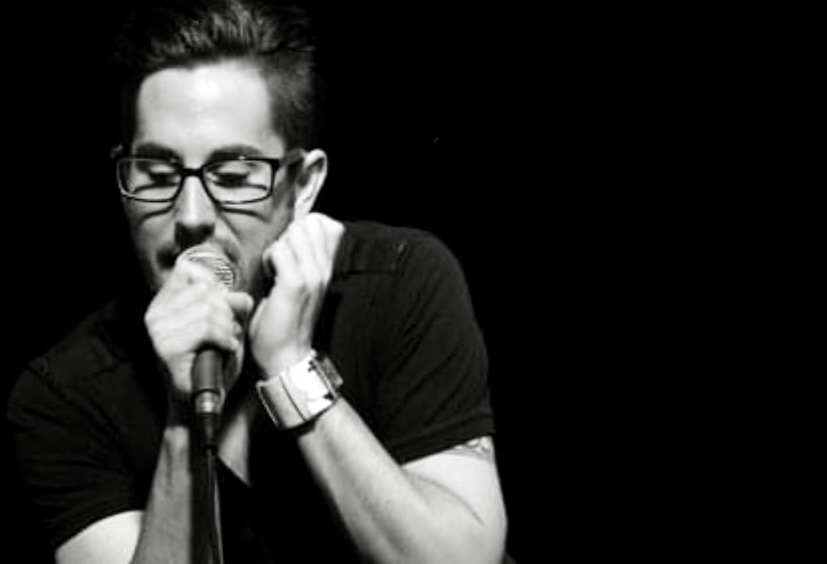
Queer comic Trey Toler pens memoir on how ‘Good Damage’ shaped his search for beauty
There’s a moment a third of the way into Trey Toler’s moving and entertaining memoir Good Damage that is breathtaking in its casual cruelty.
Reeling from his mother’s health setback and her ICU stay — one of many — a deeply closeted Toler, then 15, logged onto AOL Instant Messenger one night, looking for solace and connection. He found it through a stranger who shared his musical tastes. Feeling safe, Toler finally admitted to the person that he might be gay.

Or at least he thought he was safe.
When he arrived at school the next day, he discovered the friendly stranger was actually two girls from school who were seeking to out him.
“It was bigger than anger,” Toler writes on how he felt. “It wasn’t fear. It was worse — someone saw what I’d spent years trying to suppress. They took something fragile, something I hadn’t even figured out how to make peace with — and turned it into entertainment.”
The unsparing detail puts the reader immediately into Toler’s shoes and his corner. At one time or another, everyone feels like they don’t fit in, like they are carrying the weight of an immense secret or like their public persona is a well-crafted mask. And religious trauma like Toler suffered is hardly confined to the LGBTQ+ community.
A gay memoir but also more
The June 2026 release of Toler’s memoir may coincide with Pride celebrations, but his story is far more than a coming-out tale. Good Damage has wide appeal not just for its relatability, but because — like its author — it’s never boring. The real-life tale is funny, keenly observed and inspirational.
The book was born from a desire to help people, says Toler, who endured a childhood that forced him to grow up quickly. With his father largely absent, Toler became the primary caregiver for his mother, who suffered from chronic health issues, while keeping his true self carefully hidden. On top of that, he dealt with ADHD that made schoolwork a challenge, and, following his mother’s passing when he was 28, he suffered a wave of grief that manifested itself in nearly catastrophic substance abuse.
If you only know Toler from casual conversation or from his occasional stand-up comedy sets, you’d never guess how much darkness lurks underneath the cheery, affable surface.
It’s a disconnect he wanted to bridge.
“I’d had conversations with people individually over the years and shared pieces of my story when it felt relevant to something they were going through,” he says.
A first-time author, Toler wrote the first draft by voice dictation. It’s congruent with his approach to comedy: reading the room, improvising and landing on punchlines extemporaneously. The comedy stage fit his non-neurotypical brain far better than a classroom ever had. It also informed his approach to writing.
“I recorded it in a matter of weeks,” he says. “… I really wanted to do that, because when I’m writing or typing, I tend to go over everything with a fine-tooth comb, and it loses the spirit.”
The book wasn’t just a case of speech-to-text straight onto the printed page. After the initial voice dump, there was an 18-month development process to refine the stories and put events in the right order.
“My brain jumps around, and it’s stream-of-consciousness, so it makes sense to me because it’s my story,” he says. “But I’m also so close to it, [that] I can’t see it.”
Vultures versus hummingbirds
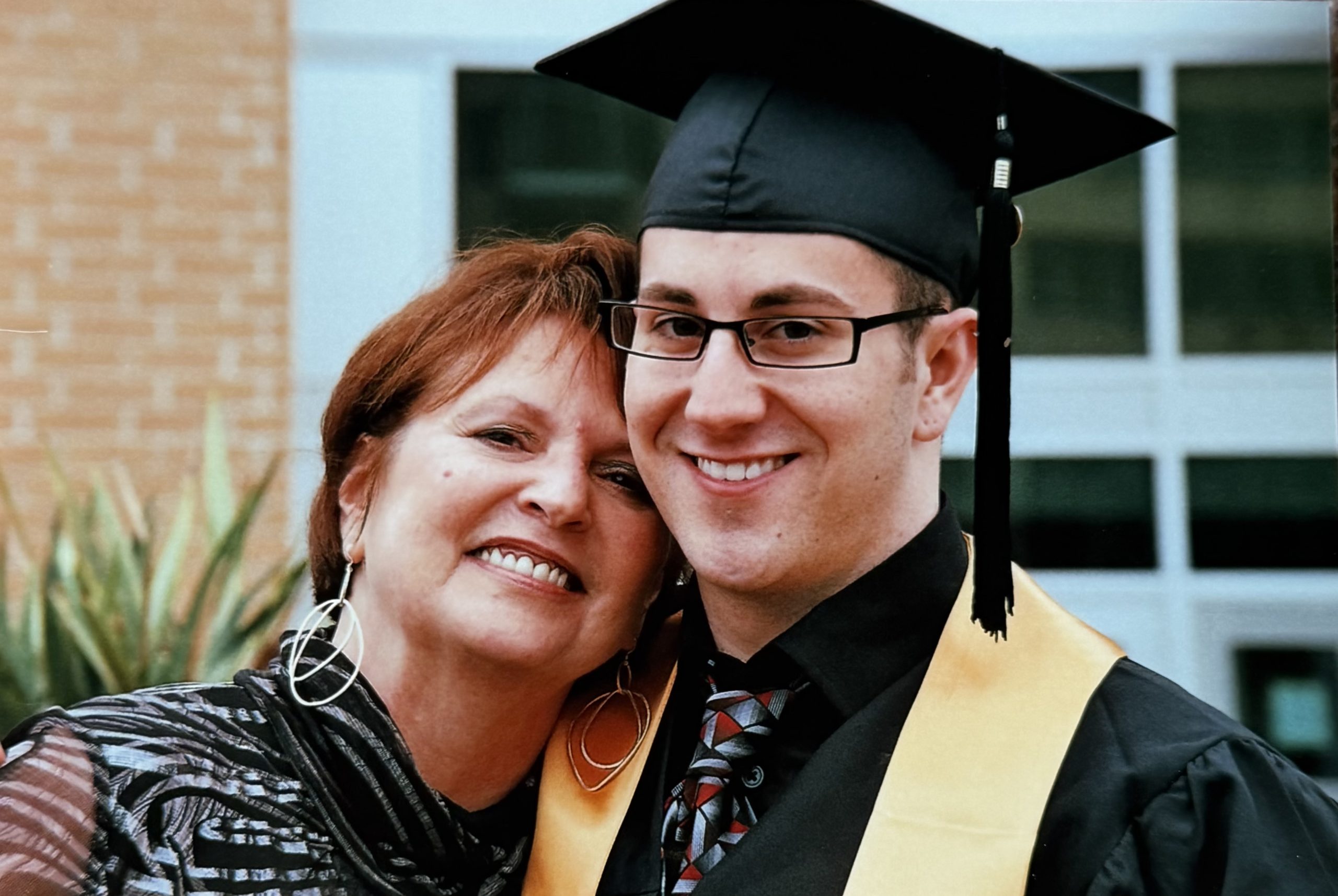
Toler’s mother shines as a heroic figure. A state employee, she battled debilitating illness to excel as a top performer, eventually earning early retirement through disability.
Then, owing to brain aneurysms that stole key memories, Toler had to come out to her twice: first through a letter and then in a face-to-face conversation. Both events were equally difficult. His mother didn’t fully understand, but she chose to love.
So it’s not surprising that her sudden passing jolted her son. Following her death, he retreated from Leesburg, Georgia, the community just north of Albany where he had been living with his mother, for the supposed safety of Atlanta. There, he reconnected with one of the women who catfished him back in school. Seeing his pain, she injected him with heroin completely without his consent. It subsided the hurt momentarily but only accelerated the downward lurch.
The metaphor that guides the closing chapters of the book is that of a vulture seeking dead things versus a hummingbird seeking bits of beauty, no matter how small.
“After my mom died, I was living like a vulture,” Toler says. “I was self-destructive, only seeing the negative things in life.”
An experience serving in Guatemala changed his mentality, pulling him out of his grief and negativity. There, he met a little girl who had been thrown into a dumpster like trash when she was just an infant — and had severe health issues as a result — but who radiated only joy.
“It was like a light switch just slipped in my mind,” he recalls.
Now, as Toler writes on his blog: “What a delight to be surrounded by hummingbirds.”
Get the Book
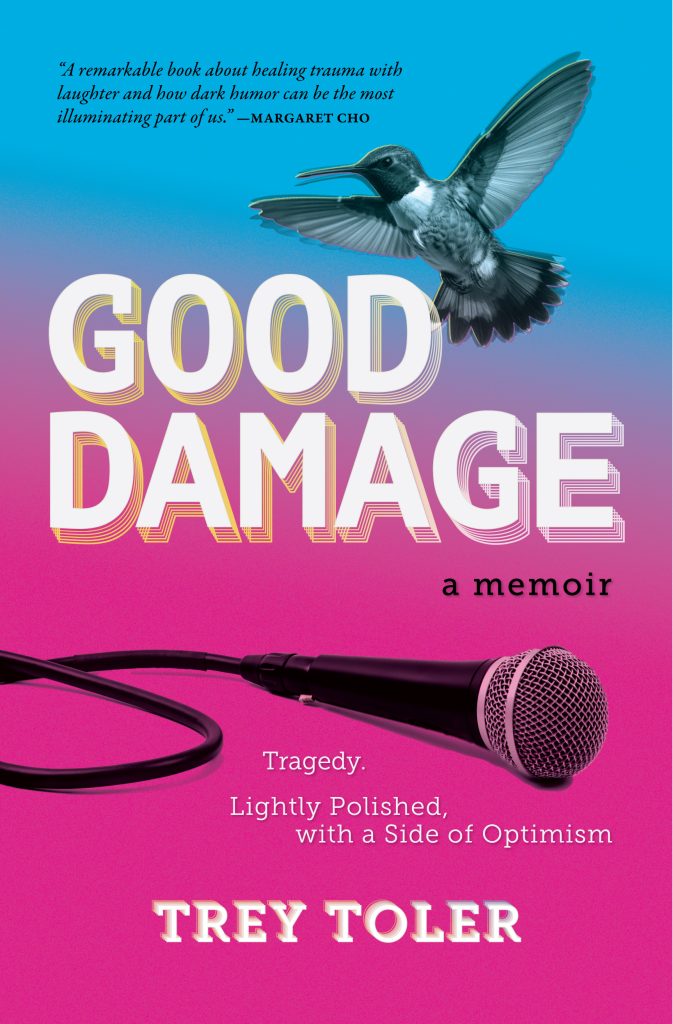
Good Damage: Tragedy. Lightly Polished, with a Side of Optimism. Trey Toler. Ripples Media LLC. June 2026. $18
::

Reid Davis, a former managing editor at Paste and Georgia Music magazines, is an Atlanta communications consultant, storyteller and bike commuter, currently plying his trade at Two Wheel Communications.
STAY UP TO DATE ON ALL THINGS ArtsATL
Subscribe to our free weekly e-newsletter.

