

Upcoming book on The Colonnade builds on Atlanta LGBTQ+ legacy with a side of Southern stories
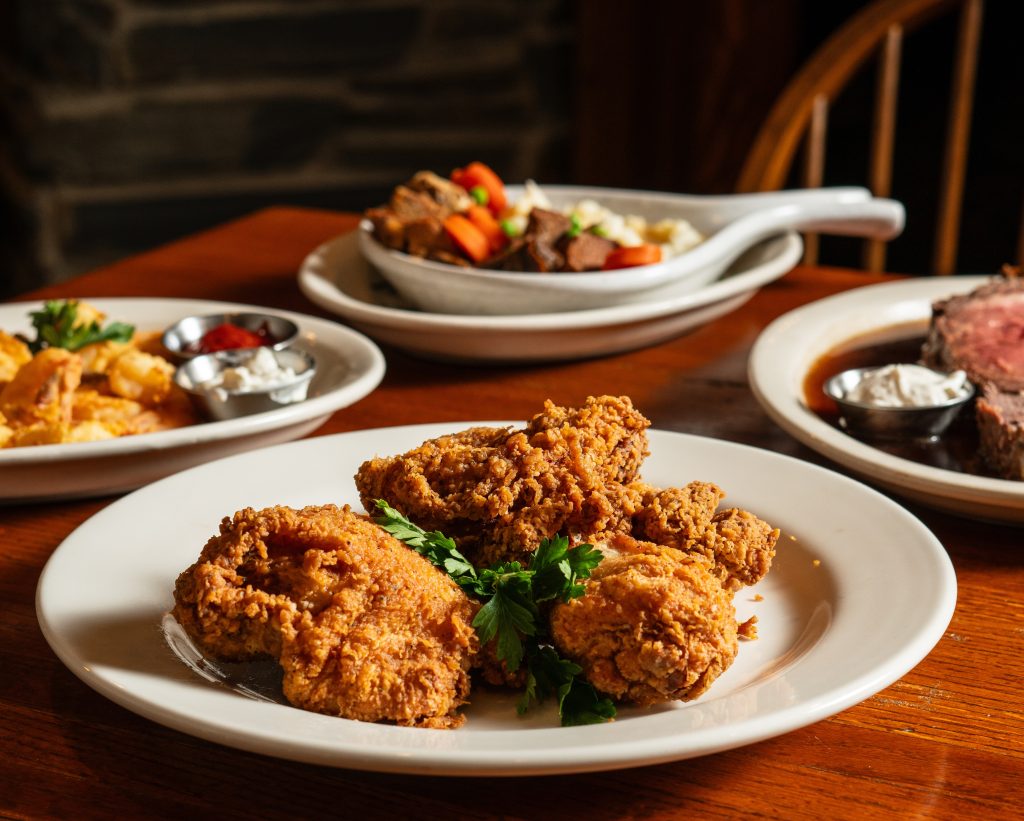
“Grays and gays” — it’s the unofficial motto of The Colonnade, which has always exulted in its stalwart demographic: seasoned belles in the lavender-rise phase of life and fashionable young men who could be their grandsons. At Atlanta’s second-oldest restaurant, which anchors Cheshire Bridge Road, they mingle over boozy brunches of fried chicken, tomato aspic and melt-in-your-mouth yeast rolls, creating a tableau of deep-fried Southern fabulousness.
Next year, the venerable meat-and-three marks its centenary, and it will be the subject of a doorstopper oral history in progress by Ardmore Avenue Publishing, a new, Atlanta-based independent press. Semi-monthly storytelling sessions at the restaurant have yielded a rich vein of material that is expected to make the Colonnade book (as yet untitled) a key text of Atlanta’s LGBTQ+ history. The next storytelling session is slated for Sunday. February 22, from 2 p.m. to 4 p.m. at the Colonnade.
“During the early days of HIV/AIDS, when people had visible lesions and cancer growths on their faces and bodies, they didn’t want to go out in public to eat,” said Ardmore Avenue Publisher Richard Eldredge. “There were not many safe spaces for them. The Colonnade was a safe space where they were welcomed with open arms — where they were genuinely loved and cared for. So it was about much more than just fried chicken — it was a nexus of a community sticking together.”
Survivors of “the plague,” he said, still frequent the Colonnade out of heartfelt loyalty.
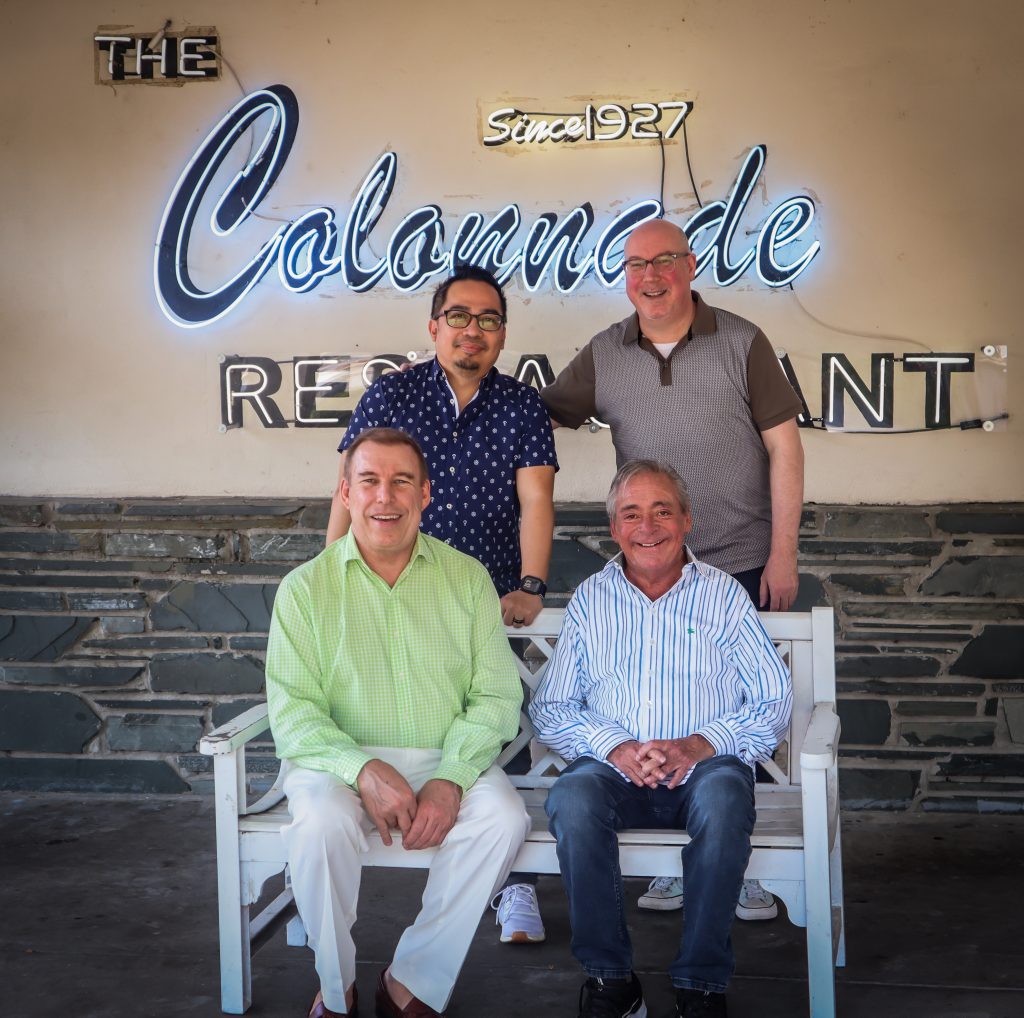
Seated: Colonnade owners Lewis Jeffries, left, and Paul Donahue. (Photo by Lacee Watkins)
Eldredge has always had the best dish. Since the 1990s, he was the longtime editor and writer of the “Peach Buzz” gossip column in The Atlanta Journal-Constitution. In 2024, after retiring from journalism, he founded Ardmore Avenue Publishing, named after the street he grew up on in New Jersey, with his husband, Paolo Aguila, who handles design. Its mission is to “elevate untold stories and underrepresented voices.”
“I joke that, yeah, starting a book publishing venture in this dark time for print media is a little like launching an eight-track tape factory,” he said. “But we’re doing better than breaking even so far and re-investing our profits back into the business.”
It began with Charlie Brown, Atlanta’s second most famous drag queen after RuPaul. The beloved impresario of the drag shows at Backstreet, Brown sought Eldredge’s help with an autobiography. During the pandemic, the two began a series of Zoom interviews toward that end, and Eldredge started investigating publishing avenues.
“When I initially started pitching, the market for drag was hot,” Eldredge said. “Then Tennessee dropped that drag ban, and everybody took three giant steps away from the topic. Charlie was having health problems and wound up in the hospital. I told him, ‘Forget the publishers. We’ll just figure out how to do it ourselves.’ Well, he ended up dying, and I knew I had to keep my promise to him.”
So Ardmore Avenue was born to honor a dying wish, and Mr. Charlie Brown: Bitch of the South came out to broad critical acclaim in the world of LGBTQ+ publishing, selling hundreds of copies.
Eldredge hopes the Colonnade book will build on this legacy. It will be a high-camp compendium of stories and recipes, including the original recipe for hot chocolate fudge, which bears a dark smudge for authenticity’s sake. Some of the slower-moving regulars have been there almost from the beginning, their tailbones sculpting the same barstools, and hostess Rhea Merritt has logged 52 years conducting this cheerful chaos.
“The one word that comes to mind with the Colonnade is home,” Eldredge said. “I mean, you’re not going to get that special feeling of community at a food stall at Ponce City Market. We’re talking about an institution that has survived world wars and pandemics.”
That longevity also is remarkable in a boomtown city that so often bulldozes its hoary landmarks.
“This is a Southern story,” Eldredge concluded. “It’s an Atlanta story. These recipes, this staff, these regulars — they form a fence of connection, of family. I can’t think of a better use of my time as a journalist.”
::

Candice Dyer’s work has appeared in magazines such as Atlanta, Garden & Gun, Men’s Journal and Country Living. She is the author of Street Singers, Soul Shakers, Rebels with a Cause: Music from Macon.
STAY UP TO DATE ON ALL THINGS ArtsATL
Subscribe to our free weekly e-newsletter.

