How to hear it: Sibelius’ Violin Concerto

Professional musician Alexandra Shatalova Prior guides readers through the nuances of some of the world’s best-known classical music. Each embedded video below offers a clip of the passage she discusses.
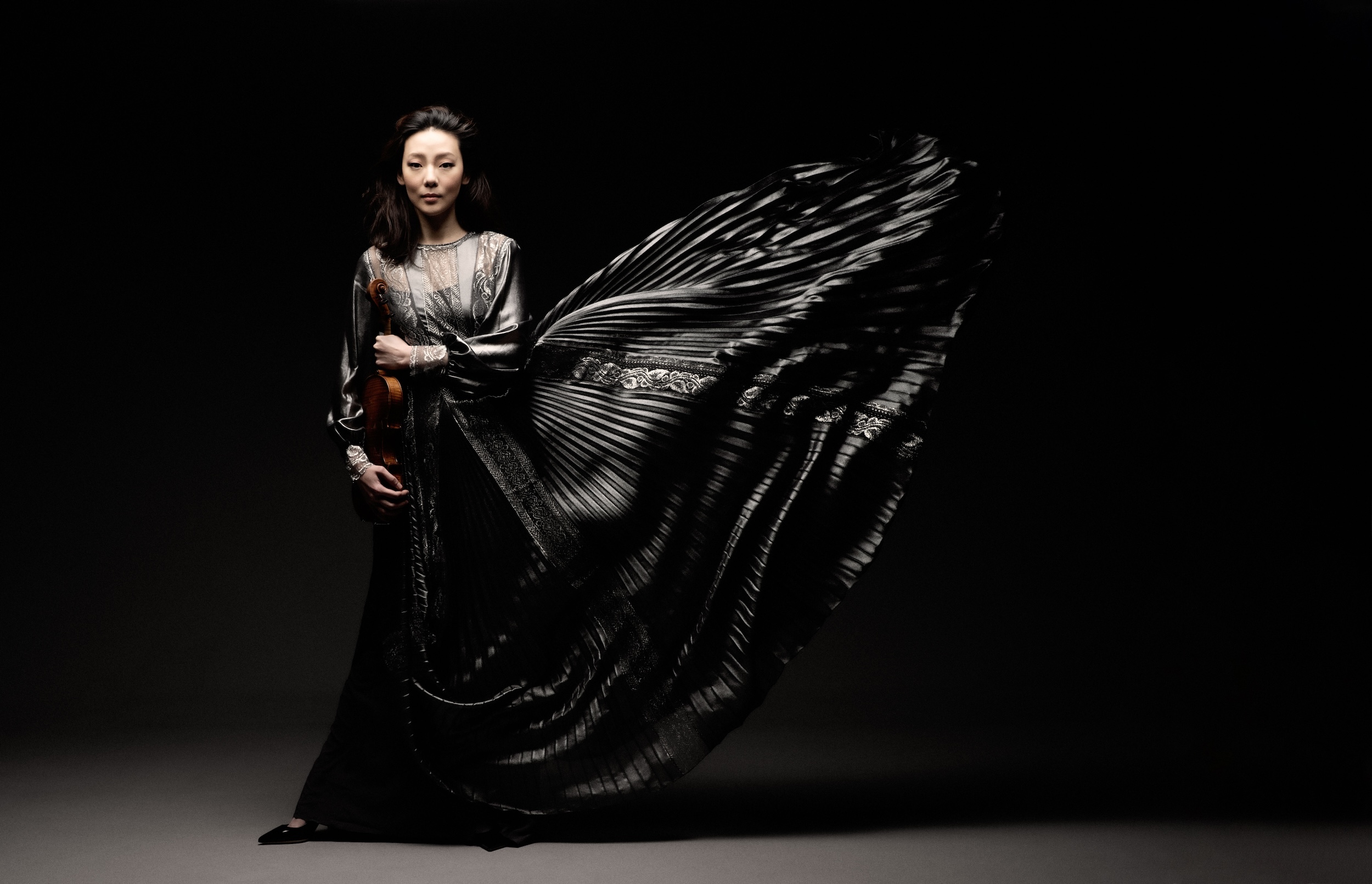
Compared to the foundational “Big Five” violin concertos of Brahms, Mendelssohn, Beethoven, Bruch and Tchaikovsky, Jean Sibelius’ Violin Concerto in D Minor stands out not only for its difficult technical and expressive writing for the soloist but for the symphonic scope of the work itself. Although it follows the traditional structure of a concerto, with a fast-slow-fast movement order, Sibelius pushes the boundaries of how “big” a work like this can be, experimenting with the extremes. Hear Clara-Jumi Kang perform it with the Atlanta Symphony Orchestra April 24 through April 26.
The opening of Sibelius’ violin concerto is a mystical experience that is not easily forgotten. Its beauty lies in its unnatural stillness — oscillating notes in the whispering violin section that sound like sparkling snow, dreamily interrupted by a haunting melody in the solo violin that is repeated often during this movement:
These moments of crystalline stillness, where the perpetual motion of the music dares to stop and reflect, are some of the most beautiful in the concerto, like this example near the end of the first movement:
Sibelius amplifies the emotional impact of his expressive solo writing with lush, romantic material for the orchestra. In his symphonies as well, Sibelius makes special use of low-voiced instruments like the bassoons and clarinets and writes in the lower register of these instruments, creating a dark, dramatic soundscape that contrasts with the high singing of the violin:
He also uses the orchestra to introduce characterful, folksy themes with a dance feel, like in the third movement:
And also in the first movement, where virtuosity and a simple melody played by the flute compete for attention:
The technical virtuosity for which this concerto is known begins early on in the first movement and is on full display in the extended cadenza, traditionally an unaccompanied moment for soloists to showcase their abilities and revisit earlier themes. Listen for extreme leaps from low to high in the solo part, fiery arpeggios and echoes of the first movement theme:
Double stops, where the violin plays two notes simultaneously, are also notoriously difficult to play and make a dramatic appearance at the end of the first movement:
The second movement is dominated by poignantly lyrical, melodic writing, at which Sibelius excels. He writes in the warm, low register of the violin, underlining its similarity to the human voice. The violin is accompanied by low brass and woodwind chords, giving this melody an earthy feel that is unique to Sibelius’ writing:
The folk-dance feel of the third movement has been famously dubbed “a polonaise for polar bears” by music writer Sir Donald Tovey, but there is also a fair amount of fireworks for the soloist, fitting an incredible number of notes into a short space of time:
Sibelius’ “Violin Concerto” is well-known for being one of the most difficult ever written for the instrument, but, as a complex symphonic work, it is a gratifying journey for listeners; instead of having to focus on the efforts of the soloist, there is much more to enjoy, sonically and emotionally. Interestingly, the piece had a disastrous premiere and Sibelius rewrote it in 1904, which is the version that is widely performed today. If you are interested in hearing the original, more extended version, Leonidas Kavakos received special dispensation from the Sibelius family to record it here:
::
Where & When
Clara-Jumi Kang with the Atlanta Symphony Orchestra at 8 p.m. on April 24 through April 26. Atlanta Symphony Hall, 1280 Peachtree St. NE. 404-733-4800, aso.org.
STAY UP TO DATE ON ALL THINGS ArtsATL
Subscribe to our free weekly e-newsletter.

PLEASE SUPPORT ARTSATL
Your Gift Sustains the Coverage You Count On!
Related Posts