Goat Farm reopens in West Midtown as a residential space for arts programming
The much-anticipated return of Goat Farm was a long time coming, and, according to Founder Anthony Harper, more is ahead.
::
It’s taken longer than the team hoped for, but this week, West Midtown’s 12-acre Goat Farm is reopening with plans to expand its campus and return the space to what they call one of Atlanta’s preeminent centers for arts, performance, practice and contemporary thought.
Initially announced in 2019, the expansion is expected to be fully complete by 2025. According to founder Anthony Harper, phase one of Goat Farm’s expansion will include 209 apartments/dwellings and more than 50 art studios, some of which will become galleries.
As part of next year’s phase two, interiors of the area’s 12 historic buildings will be renovated to become variations of arts flex areas, creative offices and arts studios. A restaurant, café and a contemporary art book shop also will open. Additionally, the Museum of Contemporary Art of Georgia will move on-site and occupy a 26,000-square-foot permanent home. Goat Farm’s overall design is being handled by interdisciplinary studio Bureau V Architecture, based in New York.
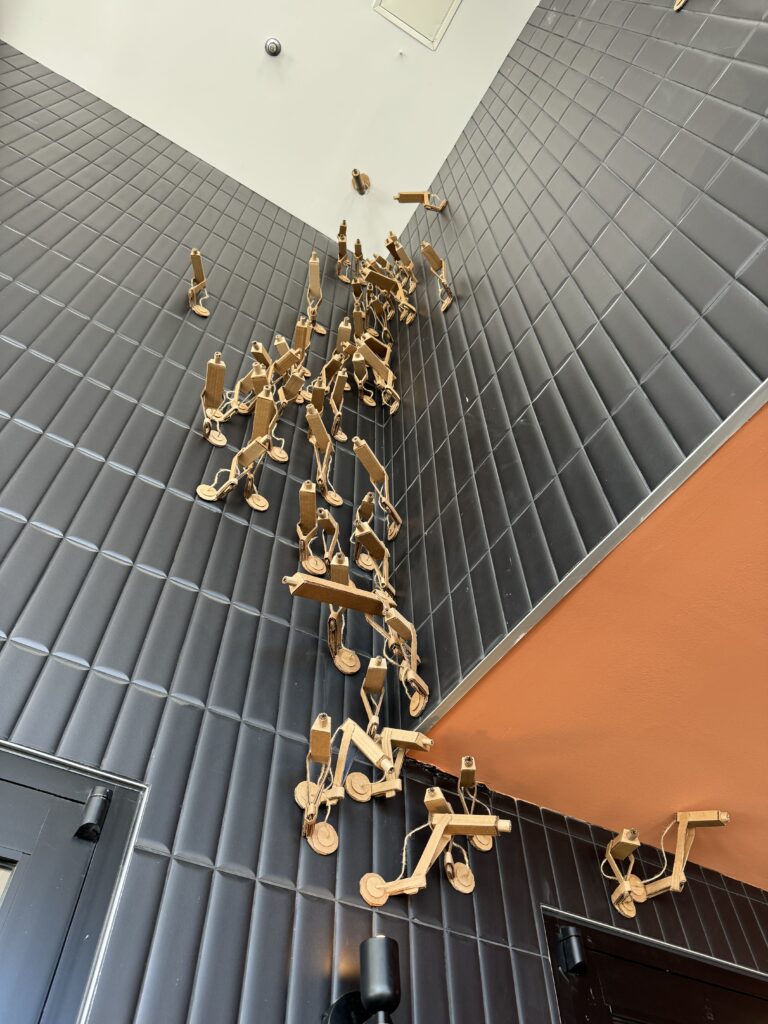
Eventually, the campus will hold both rotating and permanent art installations. Local artists who have been tapped include Sara Santamaria, Jane Foley, InKyoung Choi Chun and multidisciplinary design studio/artist collective Zoo.
“For the first time in our history, we are starting a program that commissions exterior public works, and the idea is to fund and commission one every year or two and build up a collection,” said Harper. “We’ll start with a few [art collections] out of the gate, and the idea is to become a gallery free and open to the public.
Goat Farm will also be the home for artist-in-studio residency programs for TILA Studios — designed as a space for Black female artists — and the Creatives Project, which strengthens local communities through quality arts-based education and outreach. The latter was the organization’s first residency program. Also returning will be Lauri Stallings’ acclaimed Glo program, another group long associated with Goat Farm. In addition to becoming a home for a community of artists and staged events, Goat Farm has been a site for film and TV shoots such as The Walking Dead and Hunger Games: Catching Fire.
According to Harper, he and partner Chris Melhouse officially bought the Goat Farm in 2010. In the early days, the organization did not yet have an intentional arts model. “We were experimenting and exploring, but we started the arts model around 2010,” Harper said. “We started out with do-it-yourself arts programming, and then our production values started to increase. By 2015, we were a completely different animal. We were doing probably 150 arts programs a year — producing, curating, presenting. Now we are the same arts model, but development is making us larger and giving us a larger arts funding budget as well.”
One long-term Goat Farm priority has been using real estate as a way to generate arts funding. Harper began experimenting with a model funded through rental spaces/real estate in 2012, and it’s been the default method since. Offerings have been mostly contemporary, with a focus on presenting new genres and experimental artistic works. Arts programming will resume on the campus in 2025.
“It will remain the same: using real estate to put new funding streams into the arts ecosystem — new funding that did not exist before,” said Harper. “People pay rent, and we carve out a chunk of it to use for concerts, art shows and full runs for theater, dance and puppetry.”
The expansion plan includes collaboration between Goat Farm and Atlanta-based real estate development firm TriBridge Residential. Dave Weissman, director of development for TriBridge, said the project was tasked with clearing the same hurdles other developments of this scale needed to clear over the last few years.
“The pace of things may have seemed slow at times, but we were never not working on the execution of this,” Weissman said. “What we planned for was a two-year first phase of construction and development on the site. For us, it turned into about three years for all the issues that have been happening among the development community — but all that has culminated with us opening the doors [this week]. As far as the first phase, we’ve landed the plane.”
The relationship between TriBridge and Harper dates back quite some time. TriBridge has been in the Atlanta real estate market for years, and Weissman let Harper know, when the time came, that he needed a partner to reach out. “We love what this is and love being a part of the next phase and helping execute the vision Anthony had for so many years,” Weissman added. “Organizations like ours don’t often come to a partnership like this. It’s experimental for all sides. It’s work I appreciate doing and would prefer to be doing — interesting development work with a mission that keeps you driving forward.”
For Harper, the expansion means survival of the Goat Farm campus. “We were running out of space,” he said. “This is an arts model stream that did not exist before and will create space for people in West Midtown and artists.”
Nonetheless, he doesn’t plan any major fireworks for this month’s bow.
“We have some things planned but not a typical grand opening. It’s been a minute since we curated, produced and presented things the way we used to,” he said. “We want to get our sea legs back and get some practice.”
::
Jim Farmer is the recipient of the 2022 National Arts and Entertainment Journalism Award for Best Theatre Feature and a nominee for Online Journalist of the Year. A member of five national critics’ organizations, he covers theater and film for ArtsATL. A graduate of the University of Georgia, he has written about the arts for 30-plus years. Jim is the festival director of Out on Film, Atlanta’s LGBTQ film festival, and lives in Avondale Estates with his husband, Craig, and dog, Douglas.
STAY UP TO DATE ON ALL THINGS ArtsATL
Subscribe to our free weekly e-newsletter.

PLEASE SUPPORT ARTSATL
Your Gift Sustains the Coverage You Count On!
Related Posts