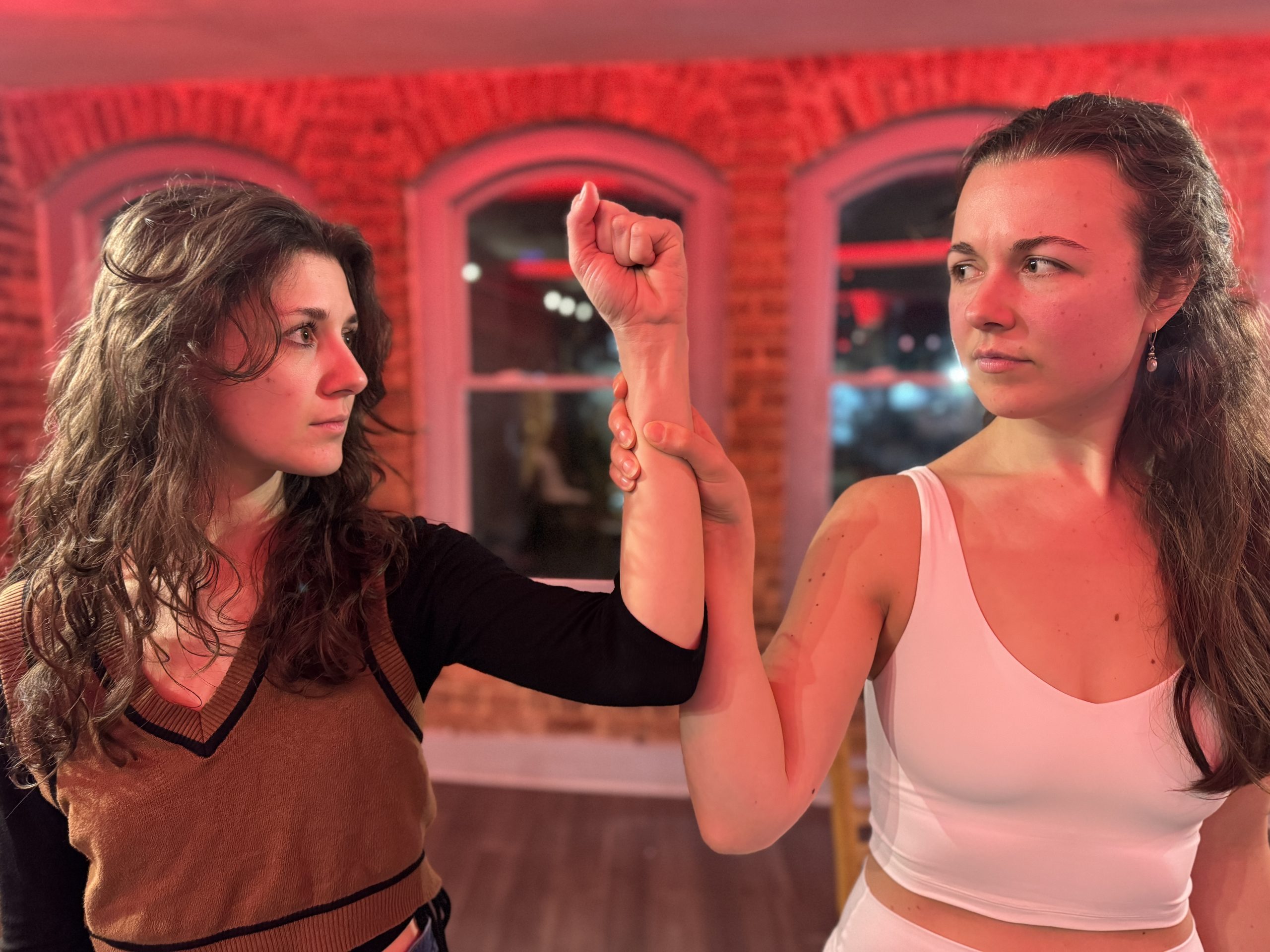
Feminist play festival asks what it means to be a woman in Shakespeare’s work
There is a line that Anna Holland recalls in the play Heartbeat Ophelia, in which a famously doomed Shakespeare character looks to her companion and says, “We don’t talk about my mother, do we?” This question of what Shakespeare does and does not discuss regarding his female characters is the driving force behind Thy Name is Woman, a two-night feminist new works festival running at the Shakespeare Tavern March 13 and March 14.
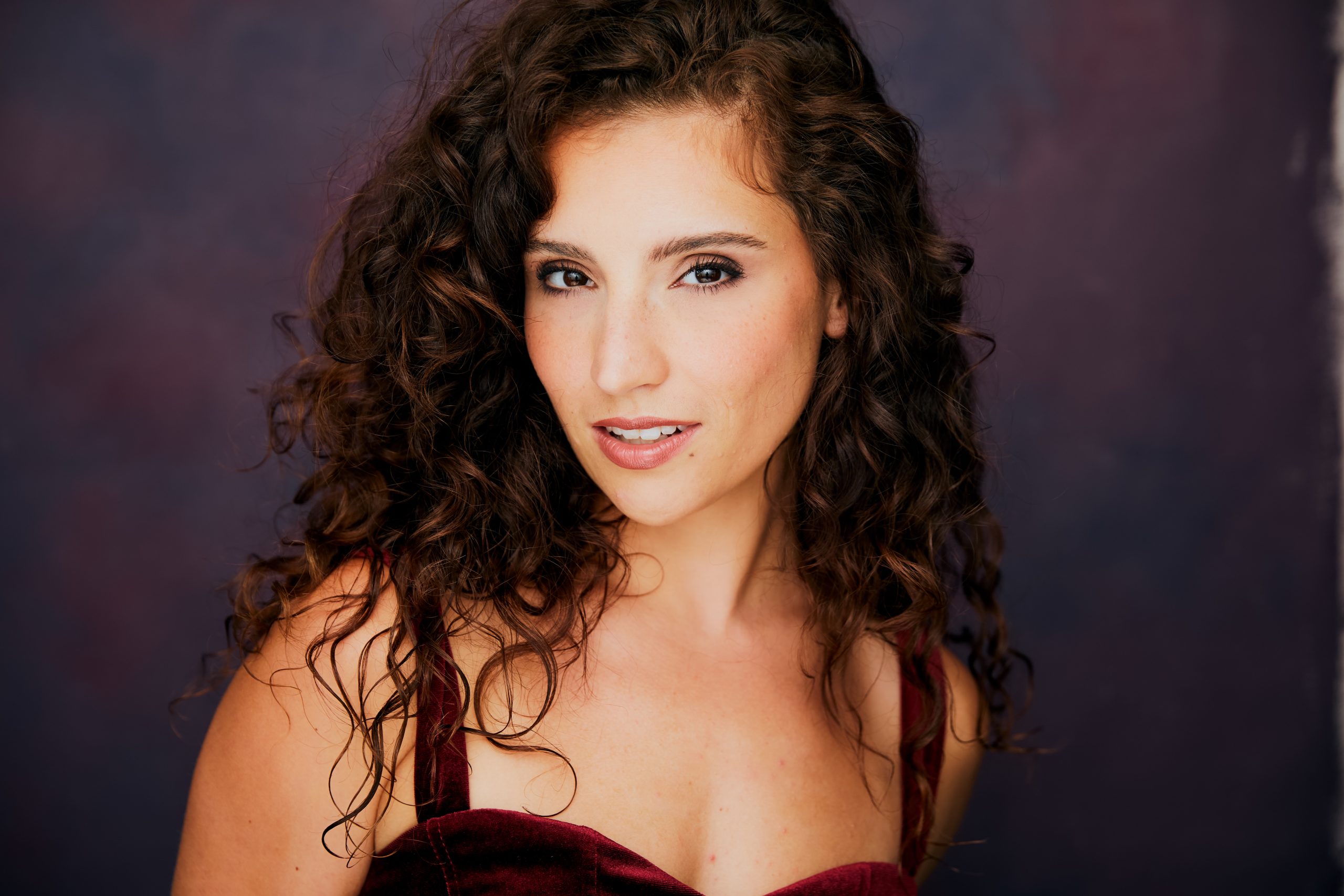
Spearheaded and directed by Holland, Thy Name is Woman features a total of six plays by female, trans and non-binary playwrights in which they explore how gender operates in Shakespeare’s works. “Part of my involvement at the Tavern has been adding queer and female voices to our programming, which is something that I am incredibly passionate about,” said Holland. “So with Women’s History Month [in March], I felt really called to put some female, trans and non-binary voices on our stage in whatever way that I could.”
Originally conceived as a playwriting competition, Holland decided to pivot to a reading series after receiving the two scripts that would become the centerpieces of the project: Dead Girls No Mothers by Tommy Sullivan-Lovett, they/them, and Heartbeat Ophelia by D.L. Siegel, who uses she/her pronouns. “Tommy’s piece was the igniting spark for me,” Holland said. “And then someone sent me D.L.’s play, Heartbeat Ophelia, and it was just perfect. It’s like the heavens opened and said ‘Here are your two featured scripts,’ so I just rolled with it.”

Dead Girls No Mothers is a series of monologues by four Shakespearean heroines who met tragic ends in their plays: Cordelia, Desdemona, Lavinia and Ophelia. The play explores the gendered violence and objectification in many of Shakespeare’s plays and how each of these women were failed by the men in their stories.
Heartbeat Ophelia transports its eponymous character to a liminal space between the state of Denmark and post-heartbeat law Texas, exploring themes of bodily autonomy, individual agency and grief.
Both plays are born of deeply personal experiences while interrogating what it means to be a woman in a Shakespeare play. Sullivan-Lovett, who is transmasculine, began Dead Girls No Mothers pre-transition as a way of grappling with how it feels to perform female roles written by men. “Even with a playwright like Shakespeare, there are these limits you start to find as a performer,” the playwright said. “You slowly start to realize ‘Gosh. When I’m blocked on stage, I never seem to touch the props; I never seem to be in the space in the way the men are.’” Thus, the play became an exploration of “what it is to suffer and die onstage as a woman.”
While the seed ofHeartbeat Ophelia was formed from Siegel’s long-time fascination with Ophelia as a character, the actual writing process emerged as a response to the 2016 election. “I just felt angry about everything and, in particular, really angry and scared about being a woman.”

Siegel struggled to figure out how to justify Ophelia’s madness until experiencing a series of personal tragedies herself: Her father passed away of cancer during the early days of Covid-19, followed quickly by her best friend’s father. “She was originally from Texas, and so during that time she had to move back to be with her family, and it was around the time that the Heartbeat Act was passed — and, all of a sudden, I got it. I finally understood what makes Ophelia go mad.”
Both of these works seek to excavate the hidden layers within Shakespeare’s most famous heroines, giving them life and breadth beyond what they could find within the Bard’s imagination.
The event will begin on March 13 with a series of readings of four short plays, followed by a full production of Dead Girls No Mothers. The second night, March 14, will consist entirely of the staged reading of Heartbeat Ophelia.
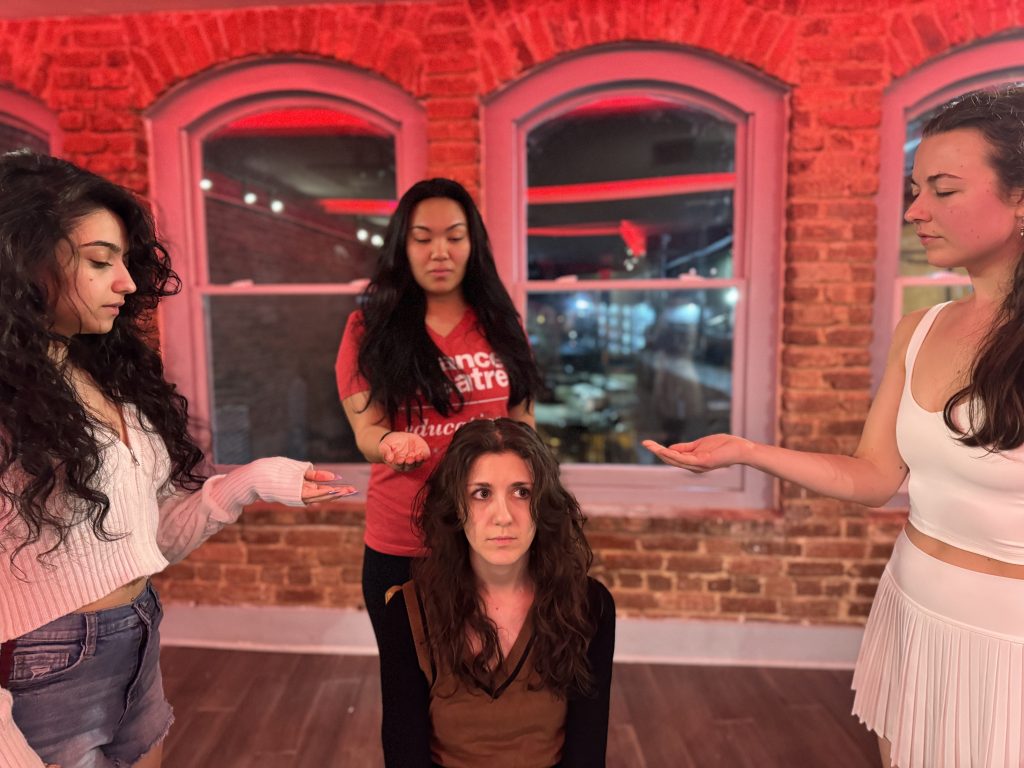
Both events will be followed by short talk backs, and Holland will be present to facilitate the conversation. The Tavern is also partnering with the Feminist Clinic of Atlanta to provide resources, pamphlets and Plan B to all attendees.
What is perhaps most encouraging is the number of Tavern staff members who have chosen to get involved with the project, as well as the number of actors who are in multiple pieces despite the risky subject matter of the plays. Holland attributes this to the meaningful and community-based nature of the work. “Everyone has touched everything in a way that is really fun and really community-building, and I do think that is the core of feminist work: building community and uplifting each other.”
Where & When
Thy Name is Woman, a two-night festival of new feminist works, takes place at the Shakespeare Tavern March 13 and March 14. Seating at 7:30 p.m. Tickets are $15 for either night.
499 Peachtree St. NE.
::

Luke Evans is an Atlanta-based writer, critic and dramaturg. He covers theater for ArtsATL and Broadway World Atlanta and has worked with theaters such as the Alliance, Actor’s Express, Out Front Theatre and Woodstock Arts. He’s a graduate of Oglethorpe University, where he earned his bachelor’s degree, and the University of Houston, where he earned his master’s.
STAY UP TO DATE ON ALL THINGS ArtsATL
Subscribe to our free weekly e-newsletter.

PLEASE SUPPORT ARTSATL
Your Gift Sustains the Coverage You Count On!
Related Posts