Beethoven, choral works punctuate the ASO’s 2025-26 season
The just-announced season is marked by numerous debuts and closes with a monumental Mahler symphony.
::
Atlanta Symphony Orchestra Music Director Nathalie Stutzmann will conclude the Beethoven Project with the composer’s monumental Symphony No. 9 on November 13, November 15 and November 16. The orchestra’s 2025-26 season was announced March 25.
Beethoven also figures in the season opener, happening September 19, when pianist Lang Lang serves as soloist for the Piano Concerto No. 5 (“Emperor”) under the baton of conductor Gemma New. That program also includes two popular Mozart works, “Eine Kleine Nachtmusik” (Serenade No. 13 for Strings) and Symphony No. 35 (“Haffner”).
Stutzmann will make her season debut on October 3 with a program that includes Strauss’ “Ein Heldenleben” and Elgar’s Cello Concerto, with soloist Alisa Weilerstein.
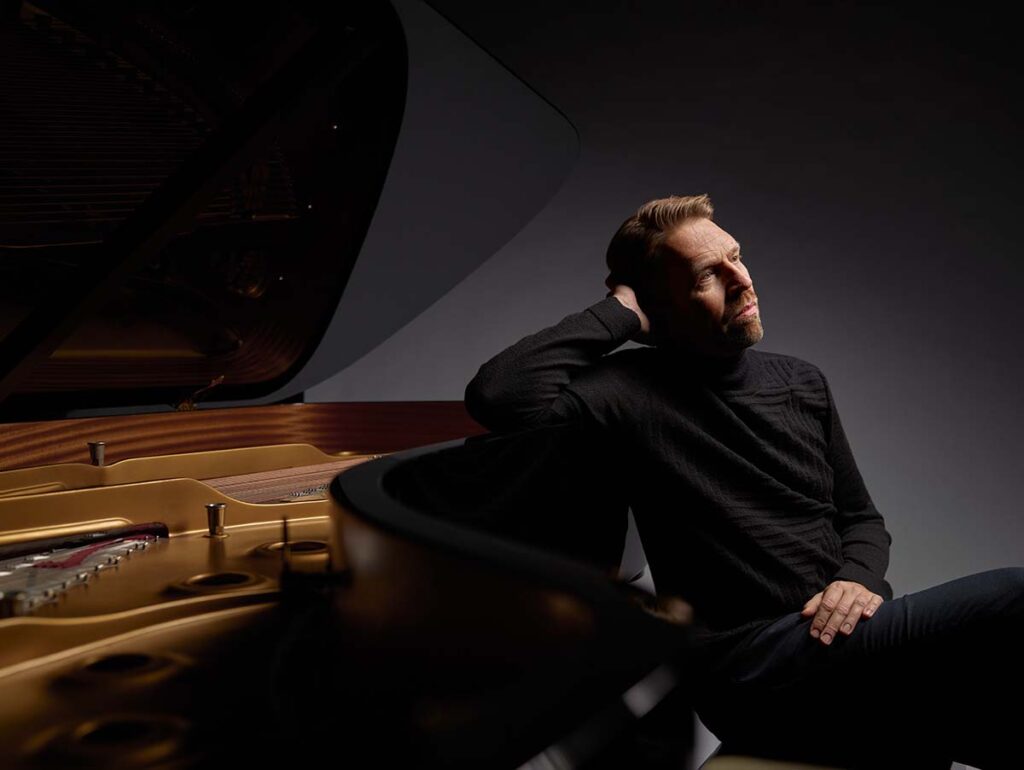
The season will see many ASO debuts, including pianist Leif Ove Andsnes, who joins Stutzmann and the orchestra for a performance of Beethoven’s Piano Concerto No. 3 on March 5 and March 7. Other notable guest artists that Stutzmann performs with this season include pianist Pavel Kolesnikov (Grieg’s Piano Concerto), Francesco Piemontesi (Beethoven’s Piano Concerto No. 1), Daniel Lozakovich (Tchaikovsky’s Violin Concerto) and Hélène Grimaud (Brahms’ Piano Concerto No. 1).

Six-time Grammy-winning conductor Giancarlo Guerrero, music director of the Nashville Symphony, makes his ASO debut April 23 and April 25 with a program that includes Astor Piazzolla’s tango-infused “Sinfonía Buenos Aires.” The renowned Venezuelan trumpeter Pacho Flores, another ASO first-timer, debuts with a piece written by him and one written for him by Mexican composer Arturo Márquez.
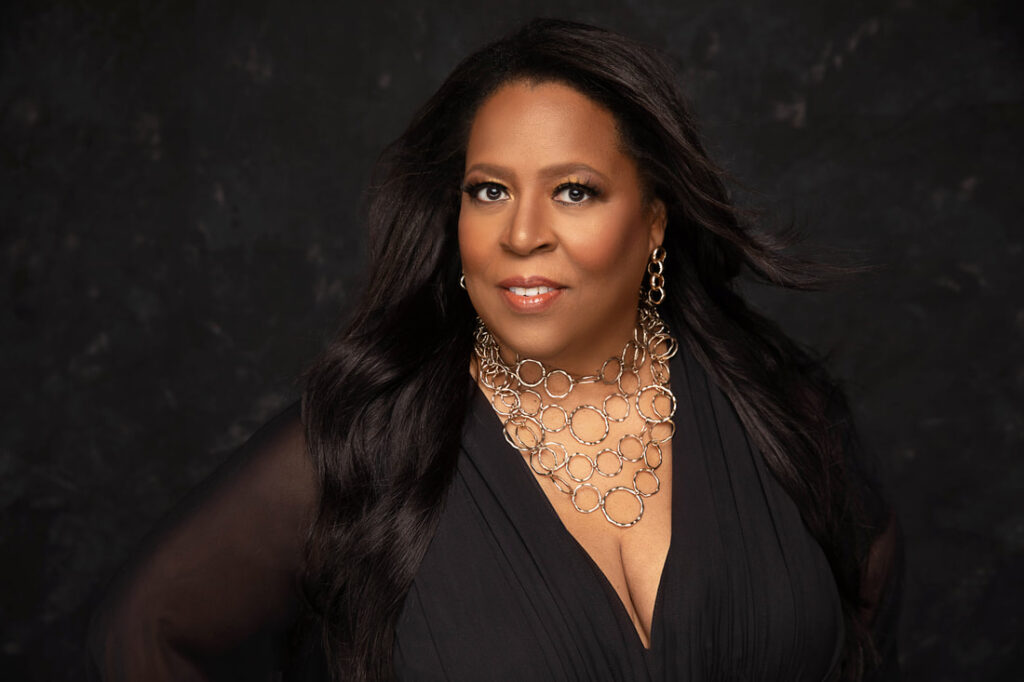
Because 2026 marks the United States’ 250th anniversary, the orchestra will celebrate great American composers such as Bernstein, Barber and Copland. They’ll also debut a new work by Valerie Coleman, “Renaissance: Concerto for Orchestra,” a celebration of the Harlem Renaissance conducted by recent Grammy winner Teddy Abrams on Feb. 12. Abrams is the music director of the Louisville Symphony. On that same program, clarinetist Martin Fröst makes his Atlanta debut performing Artie Shaw’s jazz-inspired “Clarinet Concerto” and Copland’s “Clarinet Concerto.”
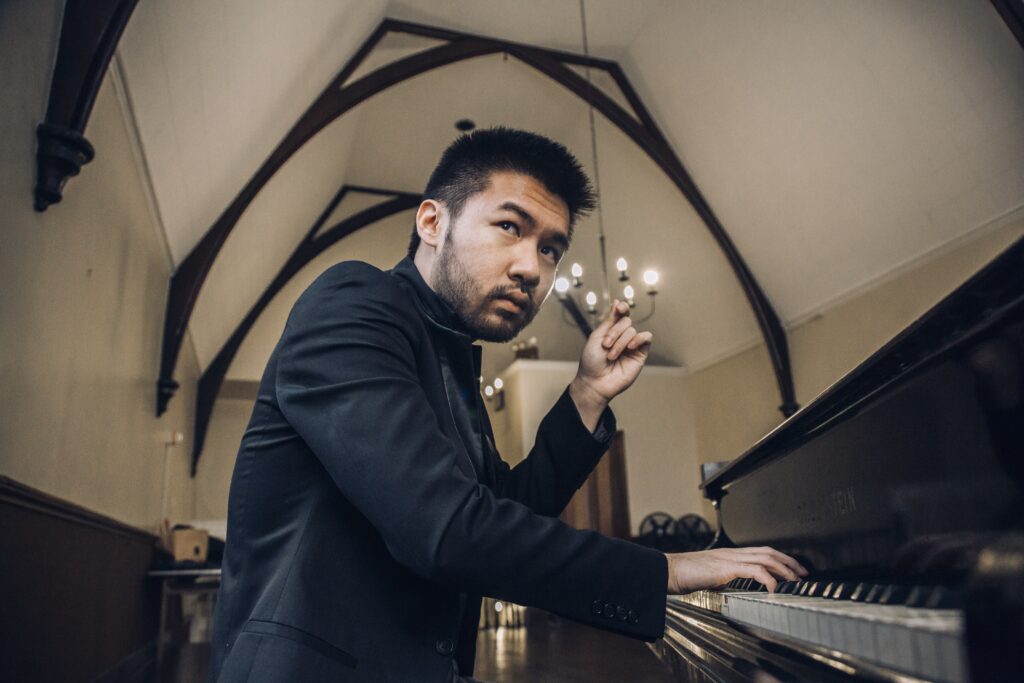
ASO Music Director Laureate Robert Spano will return to contribute to the celebration of American composers with two concerts in the spring that will spotlight two symphonies by Bernstein. With Bernstein’s Symphony No. 1, he will be joined by Stephen Hough to perform Rachmaninoff’s Piano Concerto No. 1. That program, on April 30 and May 2, opens with a recent work from American composer Christopher Theofanidis, “On the Bridge of the Eternal.” Pianist Conrad Tao will join Spano and the orchestra for his second weekend, May 7 and May 9, for Bernstein’s Second Symphony (“The Age of Anxiety”), inspired by W.H. Auden’s Pulitzer Prize-winning poem.
Stutzmann is known for her expertise in choral works, and next season is chock-full of major masterworks that will feature various iterations of the ASO Chorus. Those include Schubert’s Mass No. 2 in G major and Bach’s Mass in B minor. In the press release announcing the upcoming season, Stutzmann said, “Bach’s B minor Mass is an absolutely transcendental piece of music and one of the most amazing choral writings of all times. I would say this is truly the consecration of a whole life in music dedicated to God.”
“Conducting the large forces on stage when we have the chorus of over 150 singers with the orchestra is something I always cherish,” said Stutzmann.
The chorus will also feature prominently in the season-closing program, Mahler’s powerful and dramatic Symphony No. 2 (‘Resurrection”), wrapping things up June 4 through June 7.
The “Resurrection” symphony is an awe-inspiring work that ponders our mortality. “Why have you lived? Why have you suffered? These are the questions Mahler asks in the first movement of this symphony, with the promise of an answer in the last movement,” said Stutzmann in the season annoucement. “Starting with a funeral march and ending his symphony with the triumph of resurrection is a huge program! In this masterpiece, Mahler sought to provide hope and meaning for humanity’s suffering and bring a sense of enlightenment to all of us. It’s hard to imagine a better way to end our season.”
STAY UP TO DATE ON ALL THINGS ArtsATL
Subscribe to our free weekly e-newsletter.

PLEASE SUPPORT ARTSATL
Your Gift Sustains the Coverage You Count On!
Related Posts