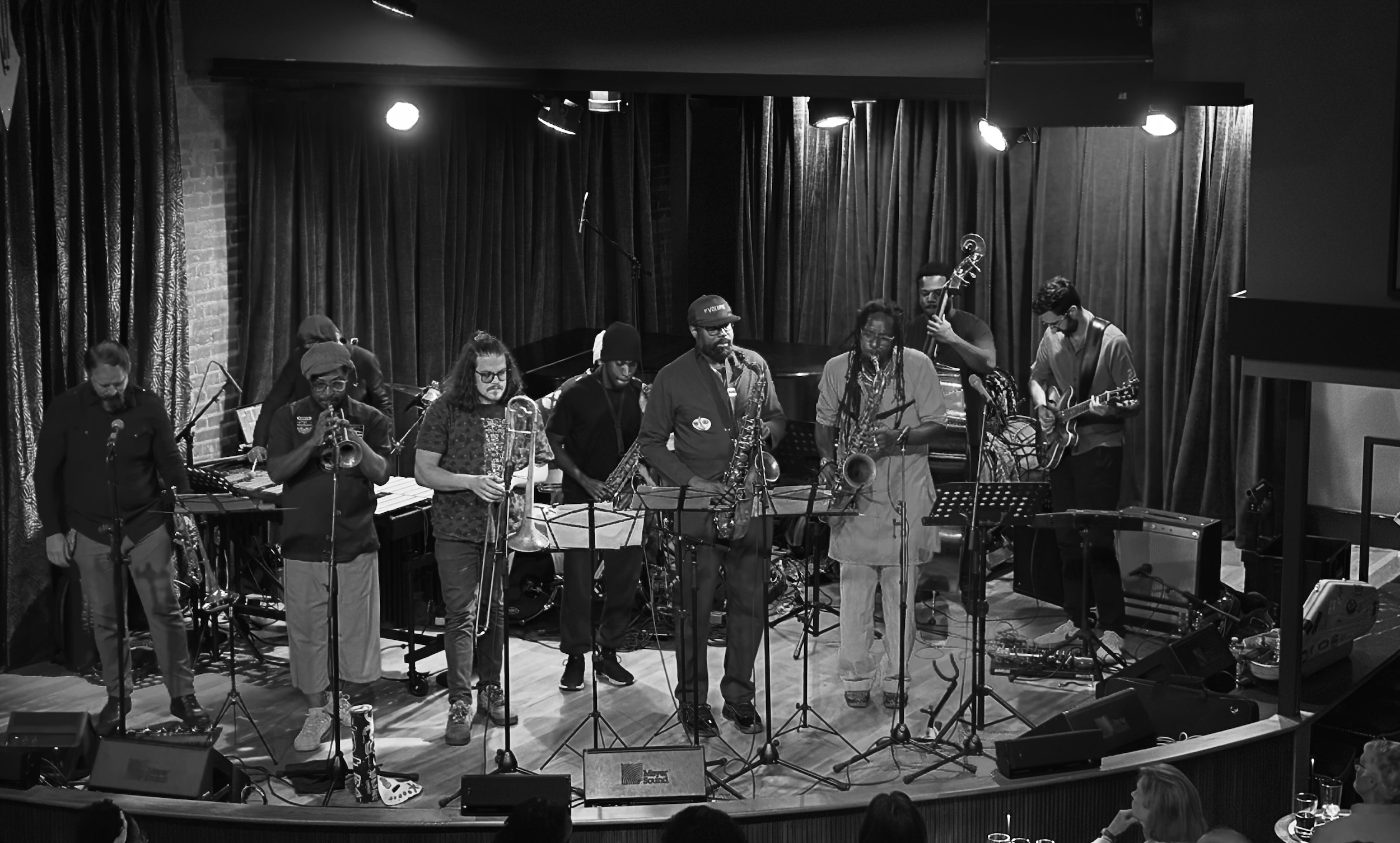
A new chapter for Churchill Grounds as the jazz club celebrates grand reopening in Decatur
When drummer Terreon Gully officially opens the Churchill Grounds jazz club in Decatur on Black Friday with his band Tanktified, he promises to give the audience “something they’ve never seen or felt before.”
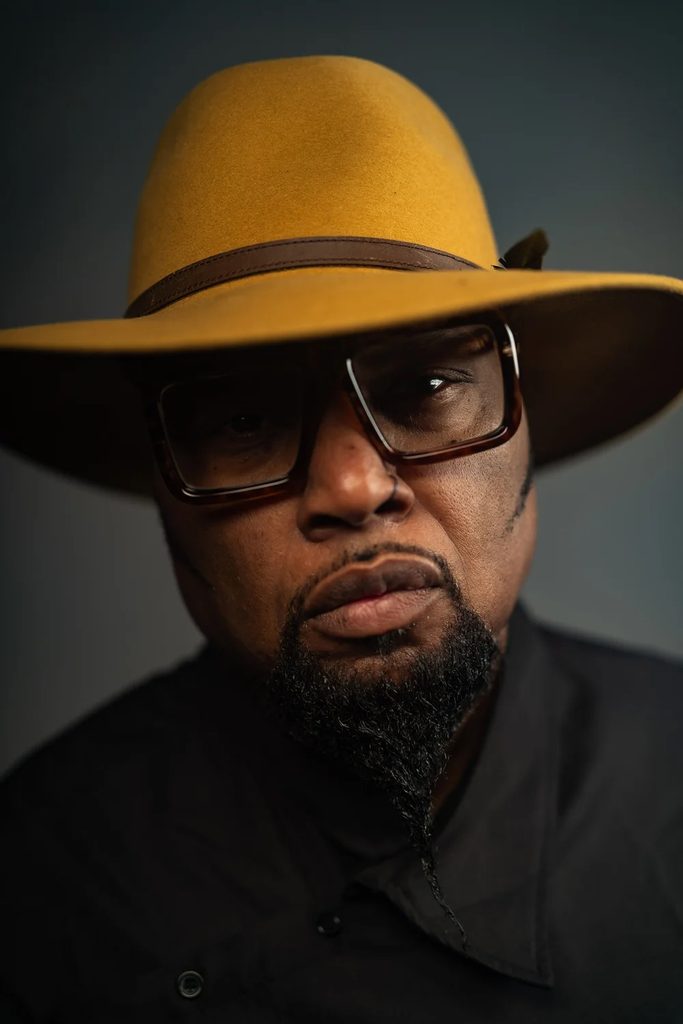
Sounds like an ideal way to usher in a new era of jazz in metro Atlanta.
For his two-night residency, part of a 10-day opening festival, Gully will unite with “some of his favorite musicians in the world,” including vibraphonist Stefon Harris. After Gully’s shows, saxophonist Tia Fuller comes to town. The opening event will also include concerts by trombonist Wycliffe Gordon (two nights); saxophonist David Sanchez; singer Lizz Wright; and Joe Gransden’s big band, featuring trumpeter Russell Gunn, ending in shows by the trumpeter and stretch music progenitor Chief Xian aTunde Adjuah. A tribute to the late Sam Yi, who founded the original Churchill Grounds, is scheduled for Monday, November 30.
“I want to take the audience on a journey. I want from the moment they walk in that it’s a vibe. They see like, ‘Oh, this is gonna be different,’” Gully said.
The closing concert by trumpeter Adjuah might be as monumental as Gully’s opening. Rejecting the term “jazz” as a pejorative, Adjuah refers to what he plays as stretch music. He describes it as a “comprehensively built ethnomusicological approach to limitless fusion” that is the next progression of improvised instrumental music.
“Churchill Grounds has been a pillar in this community and this culture of music for as long as I can remember,” he wrote in an email interview. “And I’m beyond thrilled to be able to bring the new sound, new musical instrument expressions and the future and possibility of 21st-century music into the temple.”
Adjuah, a New Orleans native, recently moved to Atlanta, choosing the city as the next home base for his musical revolution.
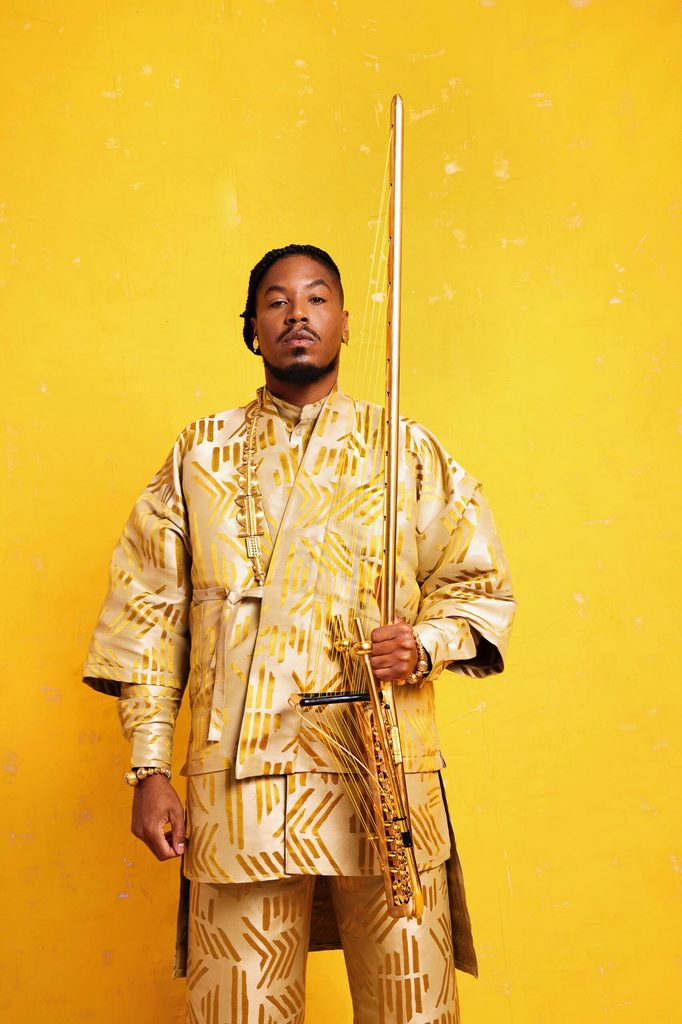
“ATL is singular; I love Atlanta,” he wrote. “It’s a place where you can see there is an intention to embrace what’s possible and to make a concerted effort to build and nurture community. Those priorities and intentions are paramount to me. The future of the music could be codified, embedded and advanced here in a way that fosters entirely new worlds of musical possibility, so I’m ecstatic to be here.”
The opening concerts signal the start of a new chapter for Churchill Grounds, the storied jazz club Yi started next to the Fox Theatre in 1997 — a space that became a proving ground and hangout spot for musicians before it closed in 2016. The new club, located in the Mary Lou Williams Jazz Center, pays tribute to what Yi created by continuing to put musicians front and center in the business: Around 40% of the center’s 200 investors are working musicians.
For owner Will Scruggs, opening weekend is the result of a three-year journey, a rollercoaster of twists and turns from initially announcing the plans for a jazz space to incorporating the Churchill Grounds name after Yi’s death in 2025 to tiptoeing into business with soft-opening concerts. The club has been operating in learning mode since September, ironing out staffing kinks, making sure the sound and lights are dialed in and ensuring everything moves smoothly. Scruggs said he’s been learning a lot every week — tinkering with when to start sets, finding the right price point for concerts and ironing out the logistics between the restaurant, Clave, and the club. His focus is on creating a great experience for listeners and musicians alike.
“We’re just doing things for artists that they’re not used to,” Scruggs said, giving the ample and well-appointed green room as just one example.
The opening slate of shows is what Scruggs calls a festival event. His vision for booking the club is to have one or two of these events each year, one or two nationally known musicians each month and then giving a lot of space to the sounds of the local jazz community. But as word gets around in the jazz scene, he’s ready for these plans to shift.
“I think a lot of it will depend on what Atlanta wants to support. I mean, we have a lot of people in Atlanta that fly to New York regularly to just go to jazz clubs,” he said.
“Agents are calling us because they’ve been waiting for a place in Atlanta to open. So if we can figure out the economics, and I believe we can, we could be like The Blue Note or the Village Vanguard, where there’s names in here every single week.”
In addition to Churchill Grounds, the Mary Lou Williams Jazz Center houses a restaurant, an instrument shop, a rehearsal space and a recording studio. Scruggs named the center for Atlanta-born Williams because he wanted to carry forward the legacy of Georgia jazz. He’s doing this in partnership with the Mary Lou Williams Foundation, and plans are to program an annual Mary Lou Williams festival and composition showcase.
The center’s entities are separate tenants of the space, a symbiotic business arrangement that Scruggs hopes will lead to sustainability.
“These parts of the center, they all kind of play off each other,” he said. “If one is running strong, it can support the others.”
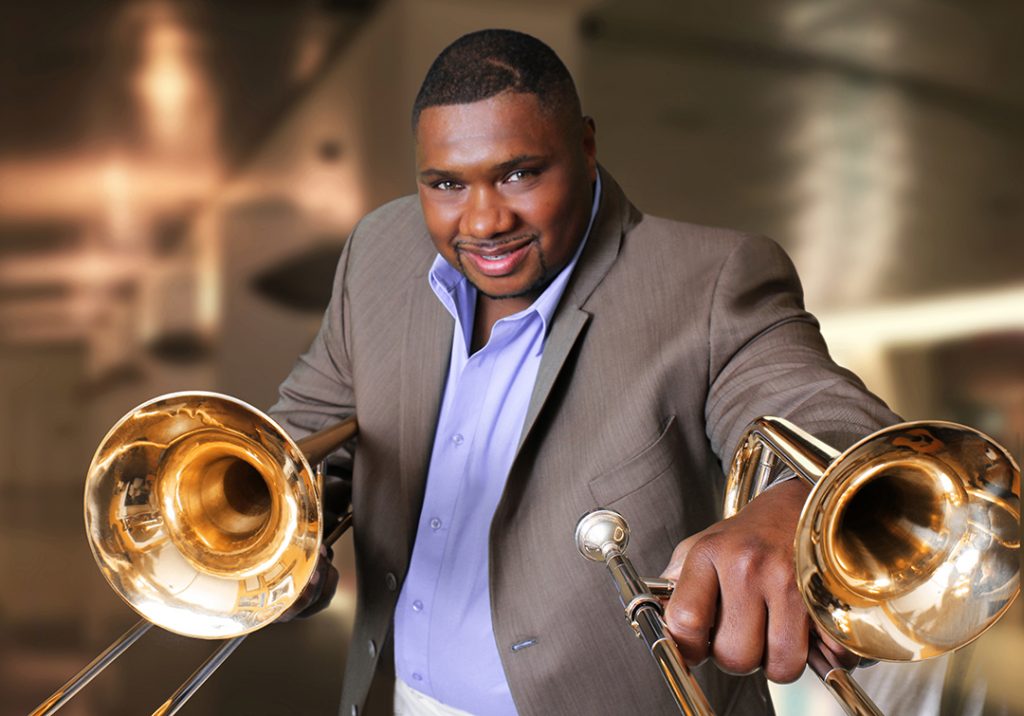
Scruggs has had a lot of help and guidance along the way. Trombonist Gordon, a board member, is invested in making Churchill Grounds a place where musicians want to perform. His goal is to turn the spot into a nationally known venue where listeners show up for concerts regardless of who happens to be playing that night.
“We invested in the place for it to be successful and not just successful for us — successful for the community and for a long time to come,” he said. “It will be a new standard.”
Gordon was one of the touring musicians who spent time at the original Churchill Grounds after gigs in the city, sometimes driving to midtown Atlanta from Augusta, where he’s director of jazz studies at Augusta University, for no other reason than to enjoy the hang. Looking around at the current environment for the music, he said there’s a real need for a listening-room club that treats musicians well and is geared toward audiences that want to listen and appreciate the music.
“People say they have live music and live jazz, but it’s always in a restaurant first, an environment where you play and, oftentimes, people aren’t listening,” he said. “I don’t want to play in a room like that.”
During the original run of Churchill Grounds, touring musicians knew there was going to be a great band and a chance to jam and hang out after their performances elsewhere in the city. Gordon said Yi’s club was the spot where everyone knew where to go because of how musicians were treated.
“It was branded as a place where all the cats wanted to go and hang,” he said. “The hardest thing to do is build a reputation. People know the name Churchill Grounds.”
In addition to performing at the club, Gully sees himself as part adviser, part advocate, pushing for Churchill Grounds to become the type of venue where musicians are begging to showcase their music. The jazz community is small, he said, and word gets around about clubs with subpar facilities or poor management, so he’s doing his part to spread the word.
“I want them to have a hard problem booking bands after we perform,” he said, noting that he’ll be playing with a handful of other groups at Churchill before the end of the year. He’s not interested right now in performing anywhere else in town: “I only want to play where cats are trying to really do something special.”
::

Jon Ross writes about music and culture. His work appears in Atlanta, The Bitter Southerner, The Atlanta-Journal Constitution and Downbeat, among other publications.
STAY UP TO DATE ON ALL THINGS ArtsATL
Subscribe to our free weekly e-newsletter.

PLEASE SUPPORT ARTSATL
Your Gift Sustains the Coverage You Count On!
Related Posts