
48th Atlanta Film Festival raises the bar for Georgia filmmakers
For more than half its history, the Atlanta Film Festival, the city’s oldest at 48 years, was a launching pad. “I’m sure you’ve heard us tout how we were the first people to show any work by Spike Lee,” said executive director Chris Escobar, heading up the festival for his 13th year.
Over its decades, the film festival introduced plenty of other before-they-were-famous talent: Oscar-winning writer-director-actor Ray McKinnon (The Accountant, Rectify); actor Walton Goggins (currently ghouling it up in Prime Video’s Fallout); director James Ponsoldt (The Spectacular Now, Shrinking); actress Carrie Preston (anchoring her own network series, Elsbeth); and a little global phenomenon known as RuPaul.
“Over the years, there have been stellar writing, directing, producing and acting talents,” Escobar said.
For a long time, Atlanta was a place you had to get away from, not go to. But the city and the industry have changed a lot in the 48 years of the Festival, thanks to filmmaking tax credits, the creation of local studios and the influx of production, from Netflix shows to Marvel films to indie projects. “Thankfully, the opportunities that are available now, commercially and industrially, mean that people can stay here,” Escobar said. Conversely, out-of-towners who work on other projects here — cast and crew of Stranger Things, say, or the late Vampire Diaries — have remained in the state.
Throughout the advances in the city’s opportunities, the film festival core purpose has remained the same. “Georgia-made work is the main reason our festival was created 48 years ago, so our local community’s work could be showcased alongside the latest and greatest from around the world,” Escobar said. “There’s a balancing act of making sure that [filmmakers] have every advantage to get in, while also making sure the festival keeps the cachet it’s supposed to have.”
In earlier years, just about anything with a Georgia or Atlanta connection could land a spot. “Now, that’s just not enough to narrow it down,” Escobar said. In other words, while it’s good to be a local film, it’s also necessary to be, well, a good film.
The Atlanta Film Festival kicks off April 25 with an opening night red-carpet screening of The Idea of You. It’s writer-director Michael Showalter’s tale of the romance between a 40-something single mom (Anne Hathaway) and a young boy band singer (Nicholas Galitzine, ampersand king of Red, White & Royal Blue and Starz’s miniseries Mary & George). The main run of the festival ends with the closing night screening of Sing Sing, starring Colman Domingo, on May 4. Many of the screenings will feature appearances by guests involved with the films. After the festival’s main dates, virtual screenings are available May 6 through May 12.
I asked Escobar what’s new this year, and he laughed. “We have 150 new things,” he said. Well, make that 155 — creative works include feature-length narrative films and documentaries and a ton of shorts, chosen from nearly 10,000 submissions. A quarter of the films that made the cut were Georgia-made or have Georgia ties.
In film festivals every year, an accidental theme often seems to emerge. After Covid-19, Escobar noted a focus on grief in many films. This year, “what’s starting to come out a lot more now is . . . this economic cloud,” he said.
The good news is, people seem ready to leave their bubbles and check out in-person screenings this year at either the Plaza or Tara. A preview party for the festival drew more people than ever. “And at the Plaza,” Escobar said, “we’re seeing more than double the audience than we had pre-Covid. From an audience and individual standpoint, I feel really optimistic . . . There are a number of indicators, including our own early sales for the festival, [where] it’s like, OK, this is gonna be more people than we’ve had in the past four years.”
Film festival lovers can buy single movie tickets or badges that grant entry to the whole festival. Meanwhile, the Creative Conference is happening. “It focuses on the art, craft and business of film and television,” Escobar said. “For anyone interested in a behind-the-scenes look at everything from acting and cinematography to directing and producing — the whole gamut — there’s quite a lot of interesting panels, discussions and master classes. While that is more focused on people who are interested in the film industry and the craft of film and television, everyone is welcome.”
One new element from last year is returning to the Plaza Theatre parking lot: a giant structure from festival partner Plastic Tents and Events. “To call it a tent is an understatement, because it’s two-and-a-half stories tall with glass walls,” Escobar said. “It allows for the experience that’s happening in the Plaza to spill over, and people can keep the conversation going [after screenings].
“The difference between just going to see a movie and having a festival vibe is the conversations it strikes up and the opportunity to reflect,” he added. “That’s the glue that holds it all together and makes it an experience, versus just several screenings in close proximity.”
Focusing mainly this year on locally made films, I looked at three features, a bunch of shorts and also a few from outside of the state. Here are some of my impressions in the order of viewing. Obviously, this is just a small sample of the feast, so I’ll leave the rest of the discovery to festival-goers. Enjoy!
::

FEATURE REVIEWS
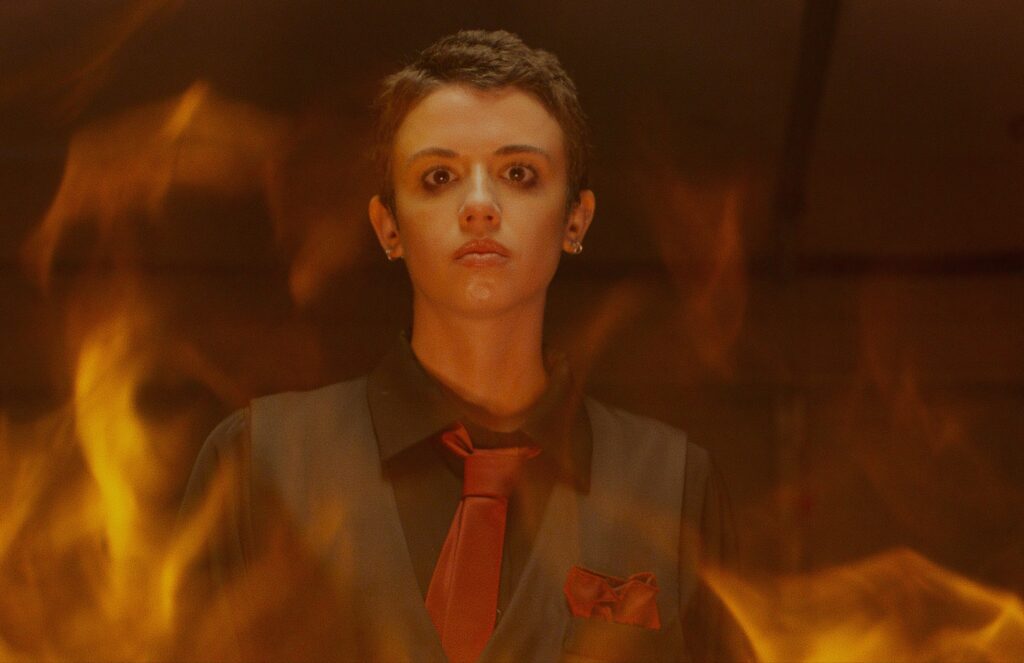
Faceless After Dark. Co-scripter Jenna Kanell plays Bowie, an Atlanta film actor who pushes back bloodily at fans, then the world in general, when her girlfriend is out of town. Director Raymond Wood turns the couple’s sleek modern home into a gleeful murder trap as Bowie lures in a bunch of deplorables (a married man, a homophobic soccer mom, broadly played). Faceless is less a slasher film than a love letter to genre, with bits of Hard Candy, Pearl and OG classics like Repulsion and Psycho visible as influences. Unfortunately, the movie sometimes plays like an Acting 101 exercise, giving its star multiple scenery-chewing scenes.
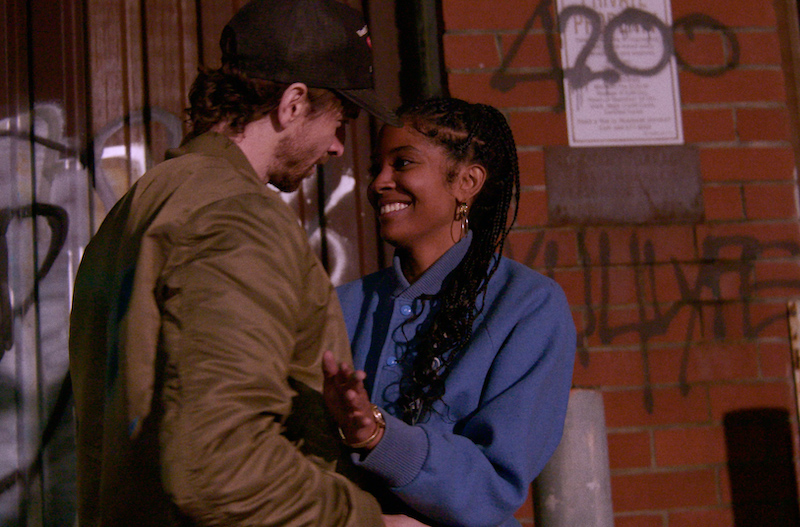
Do You Say What You Mean? If Faceless is gleefully artificial, writer-director Win Marks’ Atlanta-filmed drama takes a shapeless, slice-of-life approach as it follows the romance of biracial couple Sean (Skyler Adams) and Aliyah (Taylor Brianna). Much of the movie plays out as a series of hangs. The couple spends time with friends but slowly starts to argue about things like where things should go in their apartment or Sean’s dead-end job. (This is one of the movies shadowed by the economic cloud Escobar mentioned.) The problem is, once the couple starts to implode, the film’s aimless structure hasn’t given us enough info about the characters to make us care about their relationship or its survival.
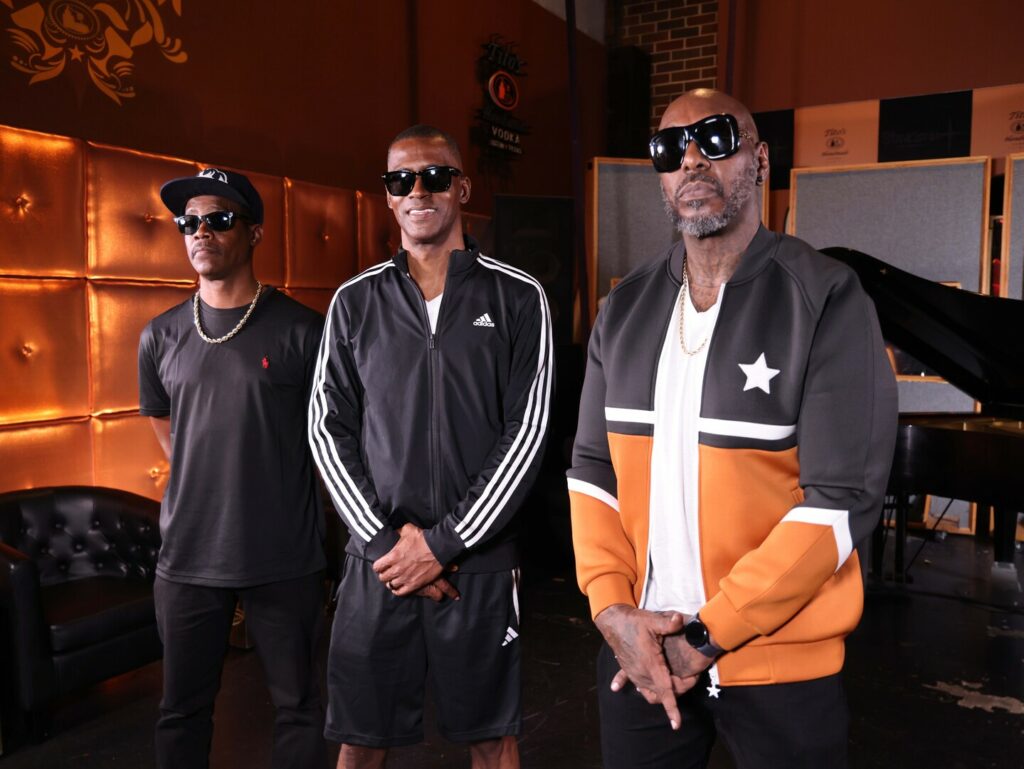
The South Got Something to Say. Taking its title from a famous, prophetic comment from André 3000 at the Source Awards in 1995, this documentary from the AJC is made by the Horne Brothers. I used to work with one of those brothers, Ryon Horne, back in the day, so I recused myself from a full review. But I’ll say this: It’s a must-watch for anyone wanting to get a sense of Atlanta’s vital role in the explosion of hip-hop.
A Strange Path. When he travels to his native Brazil for a festival, young filmmaker David (Lucas Limeira) initially doesn’t look up to his estranged father until a very familiar-sounding pandemic throws the two men uncomfortably together. Writer-director Guto Parente’s plot has an interesting twist, somewhere between a Twilight Zone episode and the recent All of Us Strangers. But a little like Faceless After Dark, it’s another festival offering whose focus on the world of filmmaking tests the line between being meta and becoming self-absorbed.
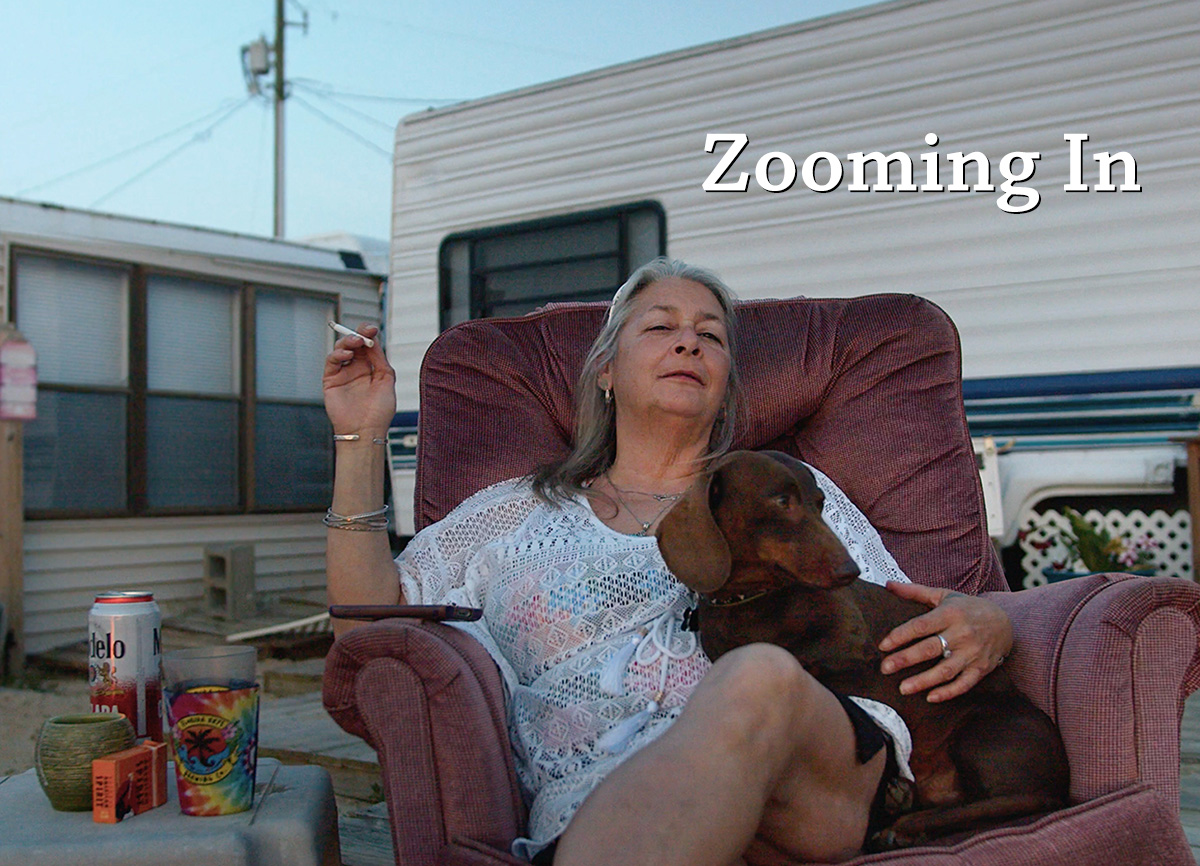
Happy Campers. As it chronicles the final days of working-class campground Inlet View on the Virginia coast, director Amy Nicholson’s documentary becomes a thing of beauty. She trains her camera on an extended clan of strangers-turned-family running out the clock on their annual vacation destination, condemned by its owners for undisclosed redevelopment. A tapestry of sunsets, fire pits and beery gab sessions on double-wide porches, it’s a simple story that can wind up giving you a lump in your throat.
Boca Chica. As 12-year-old Dominican Republic girl Desi, Scarlet Camilo has the kind of veiled, somber eyes that convey that she’s quietly seeing through the time-honored deceptions that fuel her family as they prepare for the wedding of her Uncle Elvis (Richarson Díaz), coming from Texas with his gringa wife. Also flying home is Desi’s big brother Fran (Jean Cruz), who claims to be living the life of a musician in Manhattan while actually working as a delivery boy. That’s only one of the lies that gets called out in Gabriella A. Moses’ drama, which aims an unsettling eye on the too-early sexualization of Desi and her classmates in a country catering to bottom-line tourism.
::
GEORGIA SHORTS
The 25 short films that I was able to preview ahead of the film festival offered up snapshots of Atlantans and how we live our lives now. Some of these shared themes of emotional triggering, racial tension and identity, emotional co-dependencies, economic struggle and, oddly enough, a bevy of dead or dying moms, with many films told in a multitude of languages that reflect the city’s international reality.
Among my faves were comedies that clocked mileage from embarrassment. In director Derek Evans’ Barely Breathing, co-writer and star Neal Reddy plays Sai, a man whose neighbor discovers him dangling from a belt during a session of autoerotic activity. This sparks a huge reaction from Sai’s worried dad and stepmom and leads to some funny, affectionate parodies of 12-step groups while managing to end on a tender note concerning Sai’s dead mother. It shouldn’t work, but it does.
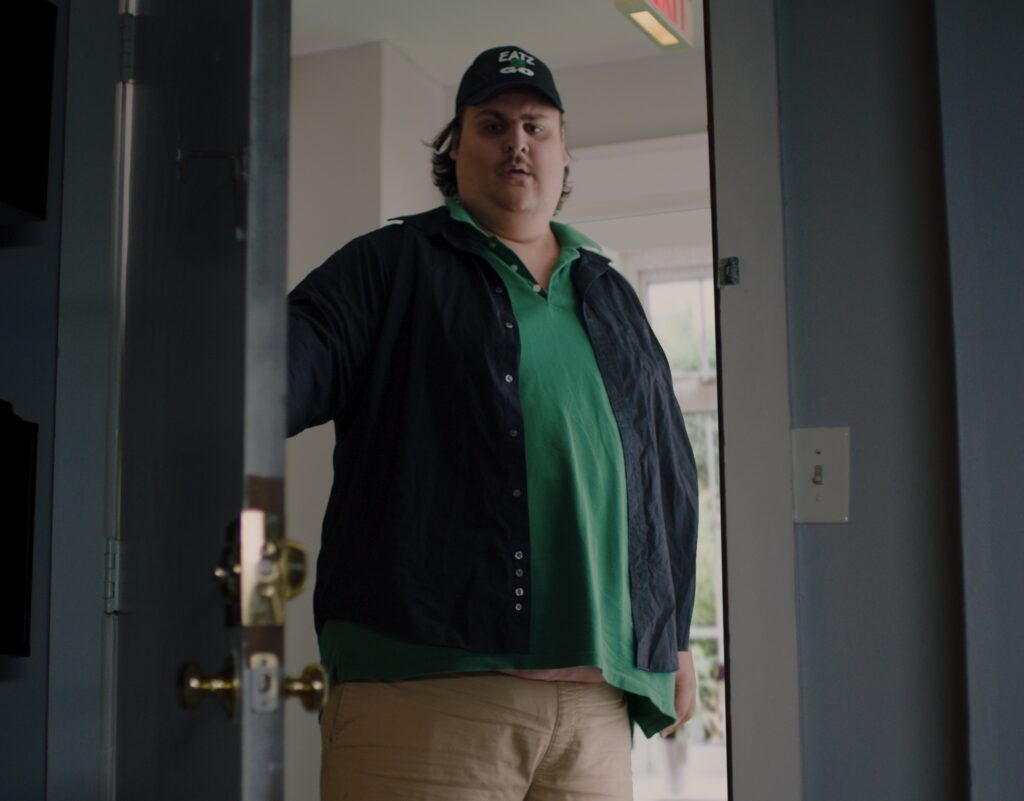
The same goes for the gleefully repetitive I Didn’t Mean to Say I Love You. Writer-director-star Jenna D’Angelo tries to recover from the titular slip of the tongue she accidentally leaves on an ex’s voicemail, then digs herself ever deeper with repeated apologetic calls that lead to a place of self-healing. (One caveat: There’s a hint of Gen Z’s emphatic emphasis on self-care in this and other films that rubs me wrong, but I’m old.)
In directors Paras Chaudhari and Marquelle Young’s the girl with the om tattoo, a South Asian yoga instructor’s anger at a rival white yoga influencer spills over into comic violence. The film’s tone is uneven, but it scores some points about finding authenticity in a self-branding, social-media-driven world.
Problematic family relationships are at the core of many narrative shorts, some straightforward and some with fantastical elements. Writer-director A.K. Espada’s I Could Just Die, and That Would Be All Right uses a literal monster metaphor to represent the suicidal depression of a woman (Courtney Locke) whose supportive husband (Chris Mayers) is willing to go very far to support her. In director Malik Ali’s Rainbow Sun, a teenager and his father clash and bond over the boy’s gay sexuality and the illness of the family’s mother/wife. Gay sex and homophobia turn up in a startling, pitch-black way in Billy & Mac, Sam Hahn’s tale of a closeted high schooler and the dead classmate he secretly loves. In writer-director Brea Angelo’s Definitely Not a Monster, a happily delusional woman (April Grace) goes on camera to defend her late husband against charges of rape. Writer-director Danielle Nebeliuk’s The Last Black Dinosaur sends a trigger-happy white cop on a Dickensian, rap-infused encounter with ghosts of a future he may have ended after killing an unarmed Black man. And Jeremy Thao’s warmhearted Wokman gives us a peek inside the generational tensions of a Chinese-American clan whose family restaurant is both a blessing and a curse as they try to build new lives in their adopted country.
::
Steve Murray is an award-winning journalist and playwright who has covered the arts as a reporter and critic for many years. Catch up to Steve’s previous Streaming columns here.
STAY UP TO DATE ON ALL THINGS ArtsATL
Subscribe to our free weekly e-newsletter.

